
Unbiased headlines. Facts, not spin.
Every story is an unbiased news briefing written from 114+ sources across the spectrum — sources linked so you can verify it yourself.
 defense
Major Story (8/10)
August 23, 2026 at 04:25 PM
defense
Major Story (8/10)
August 23, 2026 at 04:25 PM
Zelensky Says Putin Plans 300,000-Troop Draft After September Elections, Warns Wartime Vote Would Split Ukraine
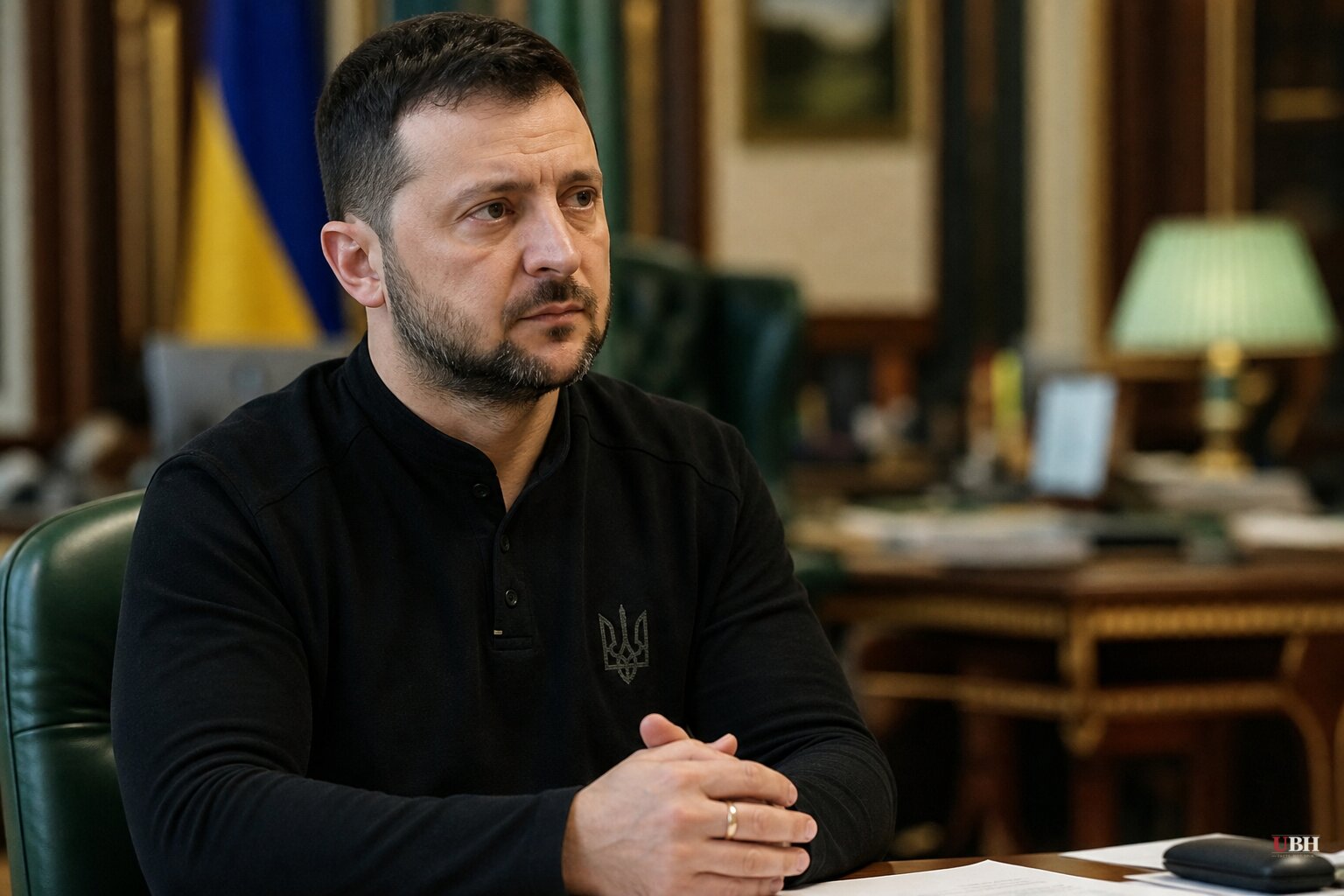
Since Russian drones killed 16 people and wounded over 130 at a shopping mall in Kryvyi Rih on August 21, Volodymyr Zelensky has laid out two fronts he says are converging on Ukraine: a coming Russian mobilization wave, and a domestic fight over whether to hold elections in the middle of a war.
Zelensky told reporters in a briefing released Sunday, August 23, that Ukrainian intelligence believes Russia will draft roughly 300,000 additional troops once its parliamentary elections wrap up September 18-20, according to Reuters. He said the number could climb toward 500,000 by 2027 as part of what he called a "peripheral mobilization" — one deliberately steered away from Moscow and St. Petersburg to avoid the kind of backlash that hit Russia after its 2022 mobilization, when hundreds of thousands fled the country rather than get drafted.
"We believe it will not take place in the central cities," Zelensky said, according to Reuters. "But I don't think they will be able to hide it very well."
The Telegraph reported that Western intelligence officials told the Wall Street Journal Russia has already run planning exercises in Kaliningrad to test how it would house, feed and arm a fresh wave of recruits. That's a concrete signal Moscow is preparing logistics for a call-up, not just floating the idea.
Why the timing matters
Russia's last forced mobilization, in autumn 2022, came after Ukrainian counteroffensives threatened to collapse Russian lines. It was a political liability for Vladimir Putin, who has since leaned on cash bonuses and regional recruitment quotas to keep troop numbers up without a formal draft. Waiting until after the Duma elections lets the Kremlin sidestep any electoral fallout from a new call-up, per Zelensky's account carried by the Kyiv Independent.
Zelensky said the fresh troops would either reinforce Russia's push into Donetsk Oblast's "fortress belt" cities or open new pressure points, including along Ukraine's northern border, according to the Kyiv Independent and the Moscow Times. The Telegraph noted Russia already controls at least 80% of Donetsk, and finishing the job there remains one of the Kremlin's stated central objectives.
The election fight at home
Separately, Zelensky used the same briefing to shut down renewed calls for Ukraine to hold elections despite martial law. The push came from Mykhailo Fedorov, Ukraine's former digital transformation minister, who was dismissed last month and has since argued in a YouTube video that "democracy cannot be held hostage by Russia," per the Telegraph.
Zelensky didn't mince words in response. "I believe that if we want to destroy the country, then we can move towards elections during this kind of war," he said, according to the Times of India's translation of his Reuters-carried remarks. He added: "Elections right now are a tsunami for the state that will split Ukraine."
Ukraine has suspended elections under martial law since Russia's 2022 invasion, a policy that still commands broad public support. The Times of India cited an AFP-referenced poll showing only 15% of Ukrainians currently back holding a wartime vote. The outlet's excerpt cuts off before detailing the poll's full methodology or sample size.
Zelensky's own presidential term technically expired in May 2024. He's said he'd support elections if allies could guarantee "specific conditions" making a vote safe, legitimate and democratic. Given active missile and drone strikes on population centers, that standard looks difficult to meet under current battlefield conditions. Fedorov's underlying argument, that a democracy indefinitely postponing elections risks its own legitimacy, is a fair point supporters of a wartime vote would recognize. Whether that risk outweighs the security risk Zelensky describes is the actual dispute, and neither side has settled it.
The money and hardware problem
Zelensky also disclosed a $27 billion defense funding gap for this year, driven by higher-than-expected spending in the first half of 2026, according to Reuters. He said Ukraine needs at least $8 billion just for "a normal start" to 2027, plus roughly $20 billion more for military salaries and payments to families of the dead.
On top of the money gap, interceptor supplies are shrinking. Zelensky said Ukraine expects to receive 264 U.S.-made Patriot interceptors in 2026, down from 364 in 2025 and 675 in 2023. He's asked for 360 more interceptors to get through the coming winter's expected energy-grid strikes, and said he's secured a French SAMP/T system and a German commitment for roughly 600 PAC-2 and PAC-3 interceptors through 2028.
Putin, meanwhile, told Russian journalist Pavel Zarubin on Saturday that Ukraine's drone campaign against Russian refineries and retailers like Wildberries and Ozon had "opened Pandora's box," warning Moscow would hit back at Kyiv's "most sensitive economic sectors," according to Newsweek. Russia's defense ministry said Sunday it struck the port of Yuzhny in Odesa Oblast, and Ukraine's military said 127 drones hit the country overnight, with 27 getting through air defenses. Whether that funding gap gets closed before winter strikes intensify is an open question hanging over both fronts Zelensky described this weekend.
Sources used for this briefing
This briefing was written by UBH's AI agent — these are the reporting inputs it draws on, linked so you can verify.


