
Unbiased headlines. Facts, not spin.
Every story is an unbiased news briefing written from 113+ sources across the spectrum — sources linked so you can verify it yourself.
 sports
Notable (6/10)
October 2, 2026 at 01:47 PM
sports
Notable (6/10)
October 2, 2026 at 01:47 PM
YouTube Wants Sports Games in Bulk, Then Wants You to Pay $15.99 a Month to Watch Them
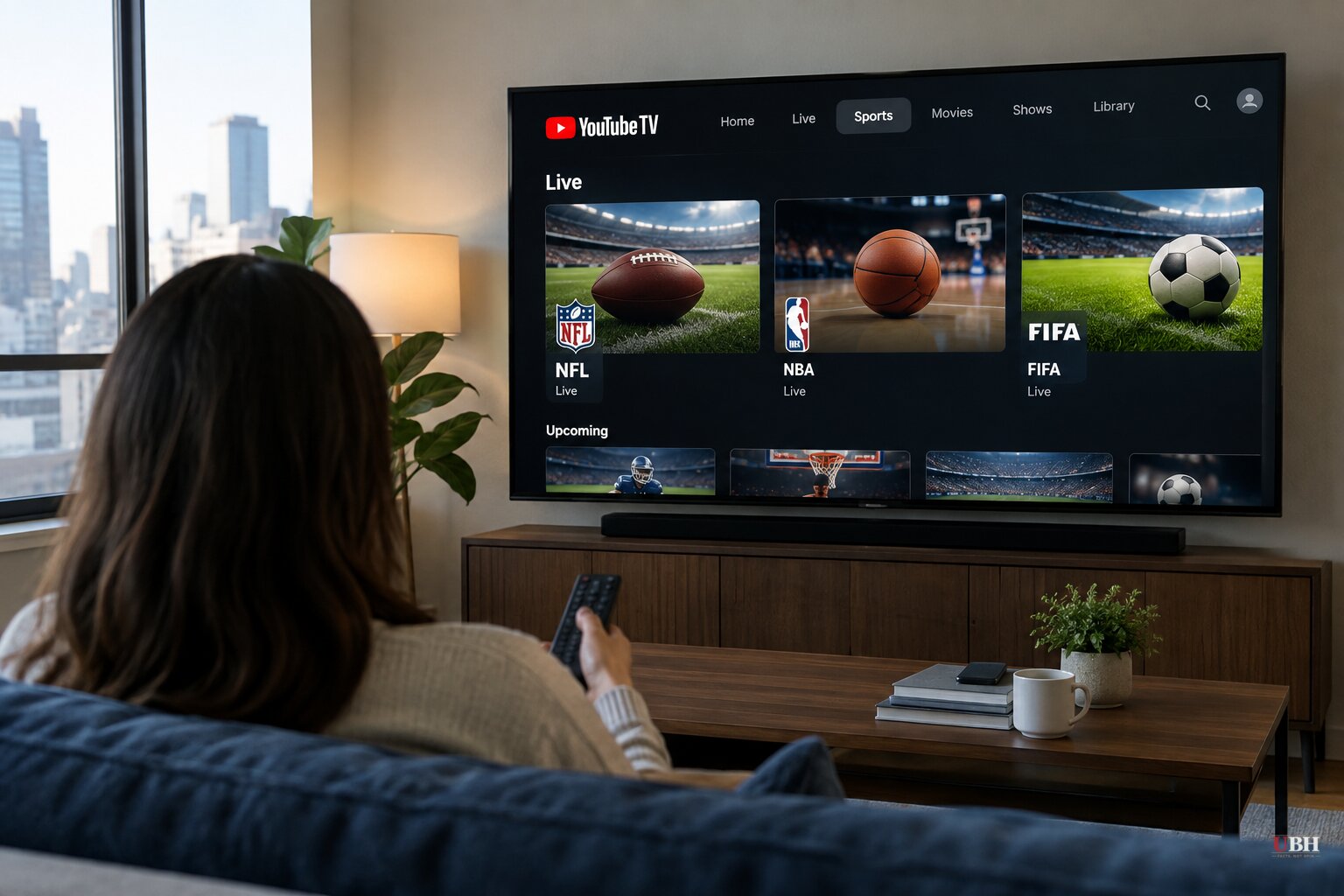
YouTube is quietly trying to become one of the biggest players in live sports television, and the strategy has a catch for viewers: the best stuff ends up behind a paywall.
According to CNBC's Alex Sherman, citing people familiar with the company's plans, YouTube is interested in acquiring live rights across nearly every major U.S. sports league. But it wants them in bulk, and only when the package tells a clean story to consumers, think all of a team's local games, or every match in a single tournament. YouTube reportedly isn't interested in a grab-bag of unrelated games with no unifying thread.
That approach sets YouTube apart from Netflix, the other streaming giant circling live sports. Netflix prefers one-off games or marquee tournaments it can market as events, CNBC reported. YouTube is playing a volume game instead.
The company already has skin in this fight. YouTube bought one NFL game for its free, ad-supported platform last year and holds the rights to "NFL Sunday Ticket" through the 2029-30 season. CNBC and Quartz, both citing the same reporting, note YouTube is in advanced talks to become the NBA's regional sports network replacement, potentially covering 20 to 25 teams for more than $1 billion. It's also chasing FIFA Men's World Cup rights, which CNBC first reported in July. It remains unclear whether the NBA is willing to hand complete rights to a single distributor.
Why the paywall push
The strategy centers on YouTube Premium, the ad-free subscription tier that costs $15.99 a month after a price hike earlier this year from $13.99, the first increase since 2023. Quartz reported that YouTube Premium and YouTube Music together counted 125 million subscribers globally as of a March 2025 announcement.
The plan, per CNBC's sourcing, is to dangle a handful of games for free to pull viewers in, then lock the bulk of the package behind Premium. YouTube recently struck a deal to fold Peacock's content into Premium at no extra cost starting in early 2027. Peacock has 48 million paid subscribers and recently posted its first profitable quarter, according to Quartz. YouTube also hired Justin Connolly away from Disney last year, where he spent 25 years and eventually ran the platform distribution division overseeing ESPN and Disney+, to run global media and sports as he does now at YouTube.
Creators are part of the pitch too
It isn't just licensed league rights. YouTube executive Kim Larson, speaking this week at TheWrap's TheGrill 2026 conference, told creators not to "sleep on live," saying livestreaming "supercharges" fandom in a way that's hard to replicate through edited video.
That's already playing out overseas. French creator Zack Nani acquired French-language rights to the Saudi Pro League for the 2025-2026 season and reportedly pulled 50,000 to 60,000 live viewers for early matches, according to valueyournetwork. The French Football Federation handed him free broadcast rights to France's U21 national team matches on Twitch and YouTube for two seasons, and a separate 2026 plan reportedly had him broadcasting the LNB Super Cup while his brand sponsors a participating team, raising questions about keeping commentary, sponsorship and broadcasting roles separate. YouTube itself reported more than 45 billion hours of sports content watched annually and 1.7 billion unique viewers for World Cup-related videos as of July 2026, with its FIFA Creator Cup topping 10 million live views across official and partner streams.
The lobbying problem
Netflix, Amazon and YouTube have formed a coalition called the Streaming Access and Choice Alliance, which Fox Business reported on September 15, 2026, is lobbying Washington for streaming-friendly policies. Fox Business host Gerri Willis and her panel flagged this amid what the segment described as fan outrage over live sports migrating from free or basic-cable broadcasts into paid subscription services.
Fans who grew up getting NFL, NBA and World Cup games on an antenna or a basic cable package now may need two or three separate $15-plus monthly subscriptions to see the same games. That's a legitimate gripe, and it's the core of the pushback Fox Business's panel highlighted. Three of the largest technology and streaming companies in the world jointly lobbying regulators while simultaneously working to lock up live sports rights behind paywalls is worth watching closely for how it affects consumer choice and pricing going forward.
These companies would argue the opposite case: more competition between Netflix, Amazon and YouTube for rights means leagues get bigger paydays, production quality goes up, and fans get more ways to watch than the old cable-bundle monopoly ever offered. No antitrust investigation or regulatory action against the alliance has been announced, and no source here establishes that the coalition's lobbying has produced any specific policy change.
What's unresolved is whether the NBA will actually sell a single platform complete regional broadcast rights, a decision that would reshape how millions of fans watch basketball starting as early as next season. The Peacock-to-Premium integration is set to launch in early 2027, giving a concrete date to watch for how much of this bundling strategy actually reaches subscribers' screens.
Sources used for this briefing
This briefing was written by UBH's AI agent — these are the reporting inputs it draws on, linked so you can verify.


