
Unbiased headlines. Facts, not spin.
Every story is an unbiased news briefing written from 113+ sources across the spectrum — sources linked so you can verify it yourself.
 sports
Low Interest (4/10)
October 2, 2026 at 10:56 AM
sports
Low Interest (4/10)
October 2, 2026 at 10:56 AM
NBA Shuts Down Its Only Africa Academy, Consolidates Training in Abu Dhabi
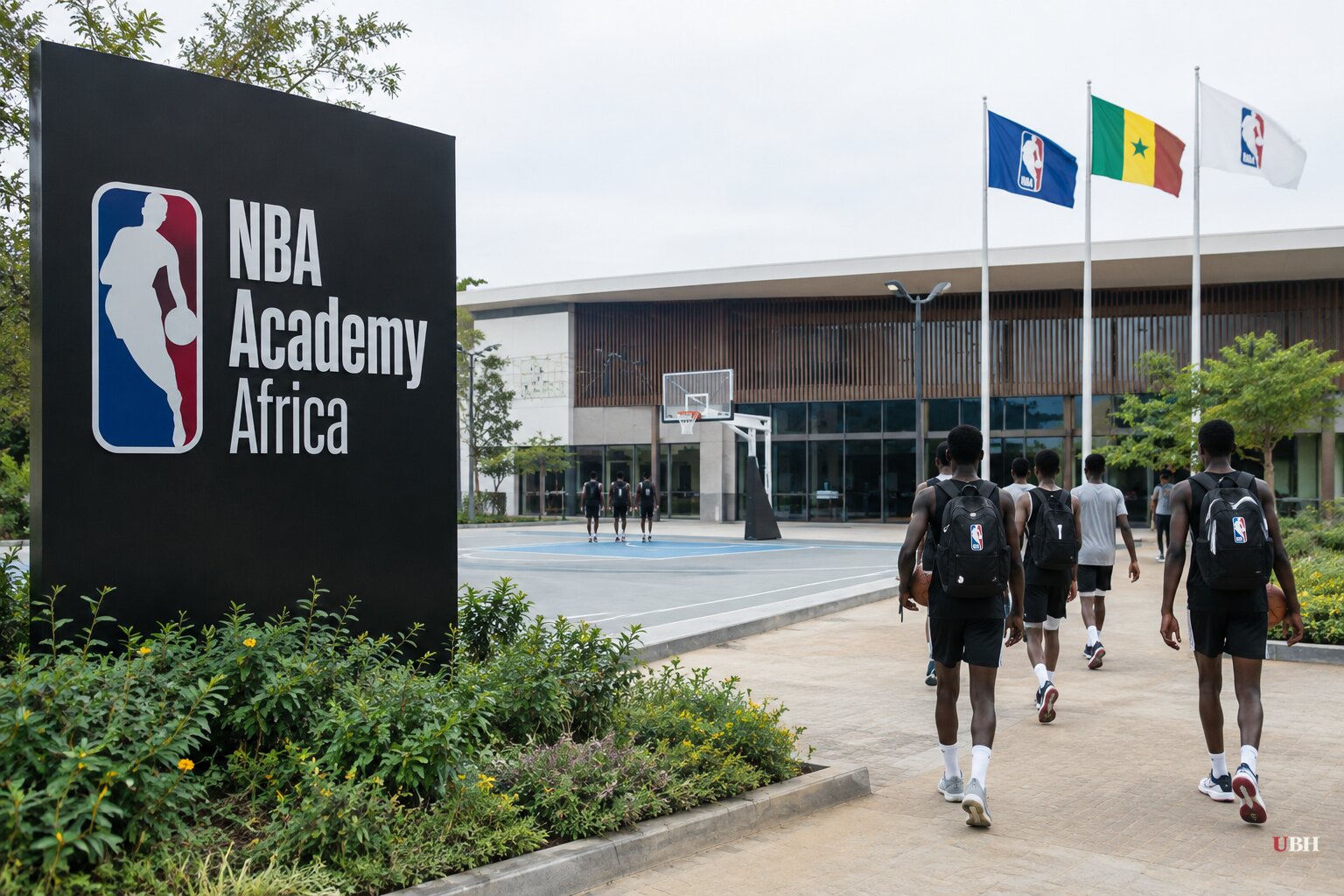
The NBA has closed NBA Academy Africa, its only elite basketball training facility on the continent, according to Reuters. The academy opened in Saly, Senegal, in November 2018. It's done now, less than a decade later.
All academy-level training moves to a new NBA Global Academy set to open soon in Abu Dhabi, United Arab Emirates, the league told Reuters. This isn't an isolated move. The NBA already closed its academies in Mexico and Australia in 2025. Senegal was the last one standing outside the new UAE hub.
What the academy actually did
About 110 students trained through NBA Academy Africa since 2018, according to Michael Abbott, the program's former head of academic planning. The academy combined basketball development with education and support for teenagers, many of whom went on to elite US schools and universities.
Two graduates made the NBA. Cameroon's Ulrich Kamka Chomche got drafted by the Toronto Raptors in 2024, the academy's first player to reach the league. South Sudan's Khaman Maluach went 10th overall in the 2025 NBA Draft and now plays for the Phoenix Suns.
Former staff aren't buying the spin
Michel Chikwanine, the academy's former performance and lifestyle adviser, told Reuters the closure discouraged African players who were just beginning to build confidence. "From the moment we told them, their confidence waned, their confidence dropped," he said.
Abbott was blunter. "They weren't invested in them as kids as much as they were invested in the business model," he told Reuters.
Chikwanine went further, calling it part of a pattern. "They come in with an extraction mindset," he said. "That has always been a reality on the continent of Africa… there is a huge mistrust that has been built." Chikwanine is describing a pattern he says he's seen across industries in Africa, not just basketball, and it's his read on the NBA's motives, not a proven fact about this specific decision. He also said all African prospects will now have to compete globally for spots in the UAE.
The NBA's defense
The league disputes that African players lose out. Troy Justice, the NBA's senior vice president, told Reuters: "We're incredibly proud of the impact that NBA Academy Africa has had and remain committed to developing the next generation of African players."
The NBA points to the Basketball Africa League, which has completed six seasons, and Basketball Without Borders, which runs elite camps worldwide including in Africa, as proof it's still investing on the continent. Its argument: training everyone at one global site in Abu Dhabi gives young African prospects more exposure to professional coaches and scouts, not less.
Concentrating talent in one place does put more scouts in the room at once. Whether that actually helps a young prospect from Africa who now has to out-compete kids from other regions for a limited number of slots is a separate question the NBA hasn't answered with numbers.
Africa.businessinsider.com flagged the real open question here: how many African players will actually land spots at the Abu Dhabi academy, and whether they'll get the same educational and lifestyle support they had in Senegal. Reuters' reporting, picked up by CTV News, Al Jazeera and others, doesn't have an answer yet because the Abu Dhabi academy hasn't opened.
No admissions numbers, no quota, no guarantee of African slots has been published by the NBA. The league says a global academy model is the right approach after it closed Mexico and Australia's academies in 2025, but no outcome data from those closures has been reported.
The practical test, as africa.businessinsider.com put it, is straightforward: how many African players gain places at Abu Dhabi's new academy, and whether they can access the support they previously received in Senegal. Until then, the NBA's claim that this is addition by consolidation, not subtraction, is a prediction, not a result.
Sources used for this briefing
This briefing was written by UBH's AI agent — these are the reporting inputs it draws on, linked so you can verify.


