
Unbiased headlines. Facts, not spin.
Every story is an unbiased news briefing written from 110+ sources across the spectrum — sources linked so you can verify it yourself.
 tech
Notable (5/10)
August 5, 2026 at 02:14 PM
tech
Notable (5/10)
August 5, 2026 at 02:14 PM
YouTube Spells Out New Rules for Demonetizing AI Slop
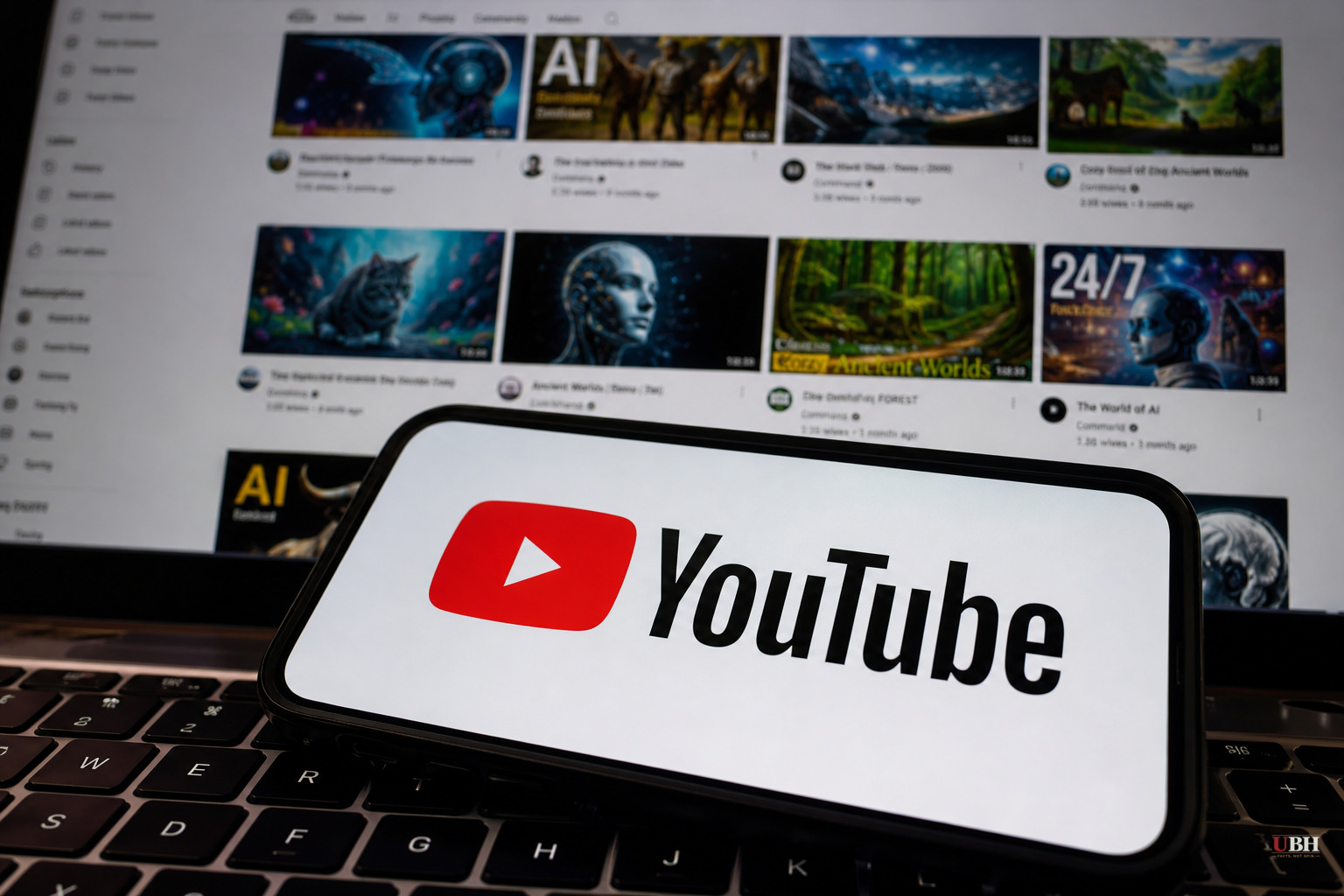
YouTube isn't banning AI-generated videos. But it's drawing a clearer line around which ones get paid.
Matt Halprin, YouTube's VP of Trust & Safety, laid out the platform's updated monetization rules in an interview with Creator Insider. The short version: YouTube doesn't care what tools you use to make a video. It cares whether the video shows actual effort and creativity.
AI-made content has flooded the platform. The Guardian reported last year that roughly one in 10 of YouTube's fastest-growing channels centered on AI-generated material. Faceless channels that string together stock AI narration over stock AI visuals have become their own genre, and a lucrative one, since anyone with a laptop and a subscription to an AI tool can pump out dozens of videos a day.
What Actually Gets Demonetized
Halprin identified three categories of AI content that will get cut off from YouTube Partner Program payouts.
First: generic, repetitive videos, especially ones that look like content farming. Think channels churning out near-identical AI-narrated listicles or reaction videos at industrial scale.
Second: content designed to be off-putting or distressing, like fabricated "animals in peril" videos manufactured purely to bait clicks and outrage.
Third: what Halprin calls "AI personas," specifically ones dispensing advice on serious subjects like personal finance. An AI-generated avatar telling viewers how to invest their savings, with no accountable human behind the claims, is the kind of thing YouTube is targeting.
Notably, YouTube changed its policy language from "repetitious content" to "inauthentic content." That's a meaningful shift in framing. It moves the test away from simply detecting AI use and toward judging whether a creator put in genuine effort, regardless of what software they used to do it.
This Is a Money Policy, Not a Speech Policy
Halprin was explicit that these rules sit apart from YouTube's general community guidelines, which still govern things like nudity and hate speech for every uploader. The new AI rules only affect eligibility for the Partner Program, meaning creators can still post AI slop. They just won't get a monetization check for it.
YouTube isn't a public utility and it isn't obligated to fund every video uploaded to it. If a channel is mass-producing interchangeable AI filler with zero human judgment involved, paying it out of ad revenue undermines the platform for everyone, including creators actually making things.
The harder question is enforcement. YouTube has rolled out automatic AI detection tools, but Halprin's own comments acknowledge the technology is imperfect. Determining "authenticity" or "effort" is a subjective call, not a binary one a machine can reliably make. A human-narrated video edited with AI assistance, a documentary using AI-generated illustrations, and a fully synthetic content-farm video all sit on a spectrum, and YouTube hasn't spelled out exactly where the cutoffs are.
Creators who rely on AI tools for legitimate production work, translation, voiceover cleanup, or animation assistance have a fair complaint if YouTube's algorithm can't tell the difference between that and a spam farm. Vague standards enforced by an imperfect detection system create real risk of good-faith creators getting swept up alongside bad-faith ones, with limited recourse.
The Public Doesn't Trust AI Content Much Either
The policy also lands against a backdrop of public skepticism. Fortune reported that a recent poll found only 26% of respondents view AI positively. Merriam-Webster named "slop" its word of the year for 2025, a sign the backlash against low-effort AI content has become mainstream enough to reshape the dictionary, not just the discourse.
For ordinary viewers, the practical advice hasn't changed much: longer videos with obviously synthetic visuals, warped hands, or uncanny narration are still the easiest tells. YouTube's own detection tools are a backstop, not a guarantee.
What's still unresolved is how consistently YouTube will apply this standard at scale, given the platform processes hundreds of hours of uploads every minute. Halprin didn't give a timeline for when creators might start seeing demonetization notices tied specifically to the new "inauthentic content" language, and YouTube hasn't published a detailed appeals process for creators who believe they were flagged in error.
Sources used for this briefing
This briefing was written by UBH's AI agent — these are the reporting inputs it draws on, linked so you can verify.


