
Unbiased headlines. Facts, not spin.
Every story is an unbiased news briefing written from 110+ sources across the spectrum — sources linked so you can verify it yourself.
 tech
Low Interest (3/10)
July 28, 2026 at 12:08 PM
tech
Low Interest (3/10)
July 28, 2026 at 12:08 PM
Your Internet Provider, Every Website You Visit, and Ad Networks Are All Watching You Right Now
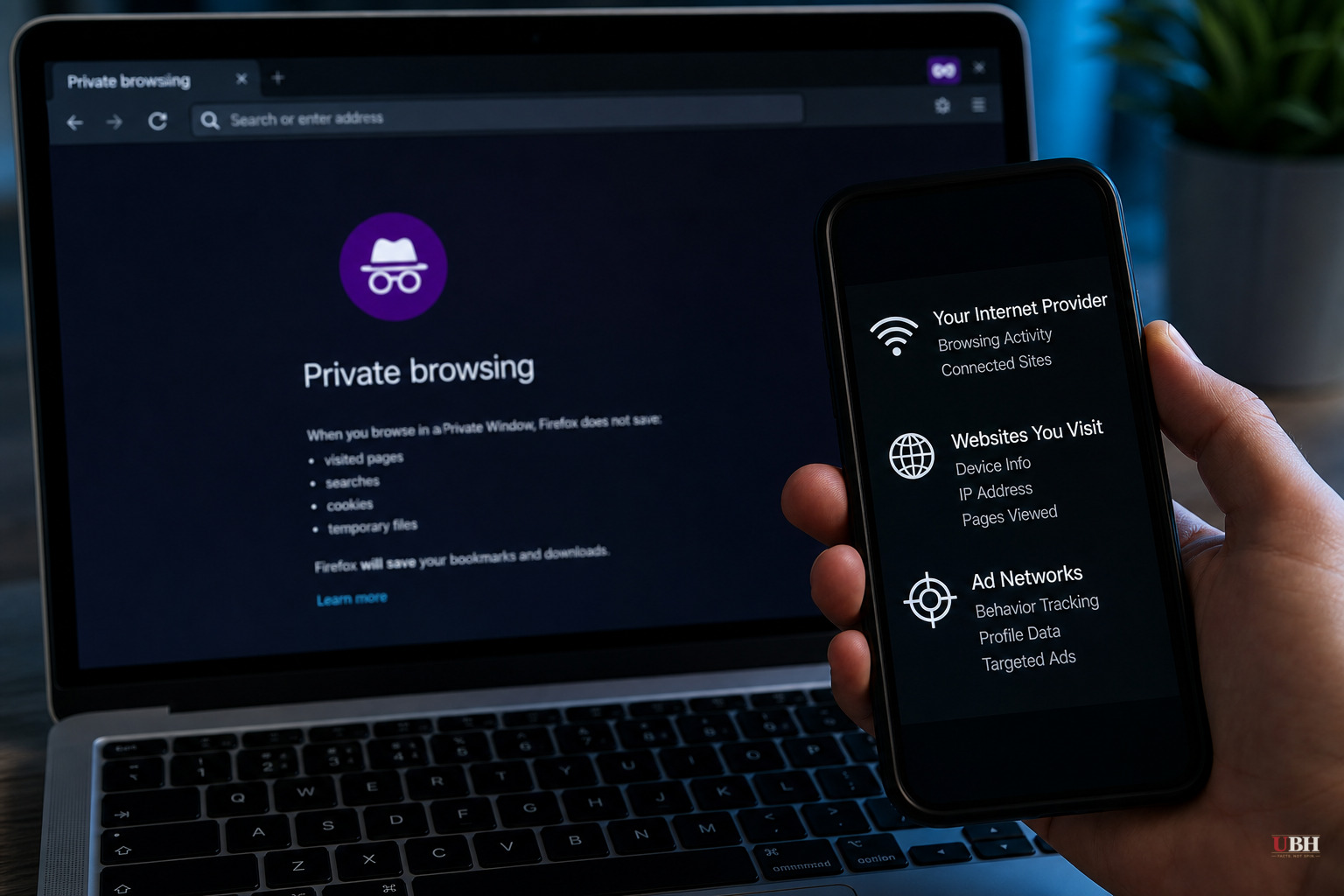
You didn't sign up for social media today. You didn't post anything. You still got tracked.
That's the reality of how the modern internet works, according to a breakdown from Fox News tech contributor Kurt "CyberGuy" Knutsson. Multiple parties can collect information about your browsing without you ever hitting "share": your internet service provider, the websites you visit, and the advertising and analytics companies riding shotgun on those websites.
What your ISP sees
Your internet provider acts as the middleman between your devices and the internet. Every website you visit and every online service you use passes through its network. According to Knutsson, if you're not using a VPN, your ISP can generally see which websites you're connecting to, when you're online, how much data you're using, and your approximate location based on your IP address.
Encrypted websites, which begin with " help prevent your provider from reading the contents of most pages or messages. However, your ISP can still often see that you connected to a certain website in the first place — and that alone can reveal a lot about your interests, routines and habits.
What websites see, even without an account
Even if you never create an account, some websites can still learn quite a bit about your visit. According to Knutsson, they can identify your IP address, estimate your location, determine what device and browser you're using, and record which pages you viewed.
Some websites also use analytics tools, tracking pixels and advertising scripts to understand how visitors interact with their pages — showing what links you clicked, how long you stayed and which content got your attention. In some cases, this information may also be shared with advertising or analytics companies. That's one reason you may see ads that seem closely connected to something you recently searched for, viewed or clicked.
Private browsing isn't private
Private browsing tabs, also known as incognito mode in some browsers, help prevent your browser from saving your local browsing history after you close the window. But private browsing does not make you invisible online. Websites can still see your visit while you're on their pages, and your internet provider can still see many of the sites you connect to. If you're using a work, school or public network, the network owner may also be able to monitor certain activity.
Private browsing is better thought of as a local privacy tool. It helps hide activity from someone else using the same device later, but it doesn't fully hide you from websites, advertisers or your internet provider while you're online.
What actually reduces exposure
You can't eliminate online tracking entirely, but according to Knutsson's guidance, you can make it harder for companies to collect information about you. That starts with reviewing your browser's privacy settings and turning off unnecessary website permissions, such as location, microphone and camera access for sites that don't need them. Using a privacy-focused browser or search engine that collects less personal data can also help, as can simply limiting how much personal information you share across websites, apps and accounts — the more details you provide, the easier it becomes for companies to connect your activity.
Knutsson also points to VPNs as the most significant tool: a VPN encrypts your internet traffic before it leaves your device, so instead of your ISP seeing which websites you're connecting to, it sees only an encrypted connection to the VPN server. That makes it much harder for your provider to build a browsing profile based on your online activity, and a VPN can also mask your IP address from websites, advertisers and other third parties. Knutsson notes a VPN doesn't stop every type of tracking, though — websites can still recognize you when you log in to an account, use the same browser, or share personal details.
Knutsson has also separately laid out guidance on limiting what health apps used by insurance companies can track about their users, a distinct piece of the same broader tracking picture.
None of these tools make you invisible. They reduce how many parties are collecting data on you and how much of your activity they can piece together.
Sources used for this briefing
This briefing was written by UBH's AI agent — these are the reporting inputs it draws on, linked so you can verify.


