
Unbiased headlines. Facts, not spin.
Every story is an unbiased news briefing written from 110+ sources across the spectrum — sources linked so you can verify it yourself.
 politics
Notable (6/10)
July 4, 2026 at 01:57 AM
politics
Notable (6/10)
July 4, 2026 at 01:57 AM
World Cup and July 4th Security Deployments Expand Biometric Surveillance Infrastructure in Host Cities
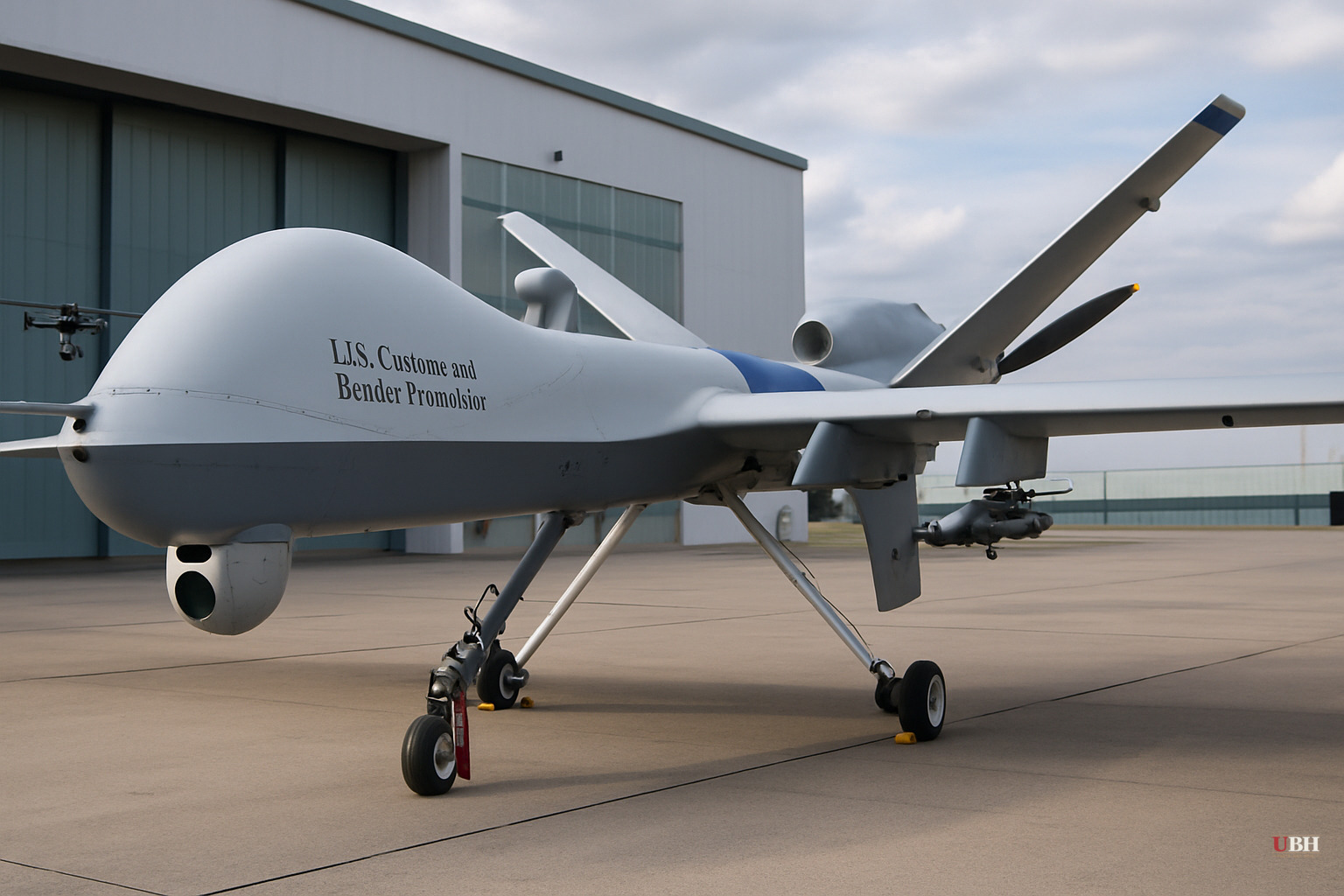
Attendees at the National Mall tonight will face airport-style security checkpoints. Folding chairs and coolers are banned. According to The Verge, counter-drone systems, bomb technicians, countersnipers, and medical personnel from multiple federal agencies are on site. That part is visible.
What is less visible: camera networks capable of tracking attendees by biometrics. The Verge reported this capability is present but did not specify which agencies operate it or what data retention policies govern the footage.
The security posture appears to be a direct response to the breach at the White House Correspondents' Dinner, where a gunman allegedly shot at a Secret Service agent. The NSSE designation for the Fourth of July is itself a historical first. The Super Bowl carries one annually, but the National Mall celebration never has before this year.
An NSSE designation gives the Secret Service lead authority and unlocks federal coordination across agencies including DHS, FBI, and the military. It is the highest security tier DHS assigns. The UFC fight at the White House in June and its official watch party on the Ellipse both received the same designation this summer, according to The Verge. Several events in a single season have triggered the framework, a concentration unusual by historical standards.
Donald Trump is expected to attend the World Cup final on July 19 and will reportedly present the trophy to the winning team, which explains part of the elevated security posture there.
Law enforcement's argument deserves a straight hearing. The threat environment is real. The Correspondents' Dinner incident was not hypothetical. Events this summer—the America 250 celebrations, the World Cup, a sitting president at a major international final—represent a convergence of soft targets and geopolitical visibility that security planners have not faced simultaneously before. Bomb technicians and countersnipers at an outdoor public event with hundreds of thousands of attendees are not paranoid. They are standard practice for events of this profile. No serious analyst argues the security presence itself is unjustified.
The concern is not the checkpoint or the sniper team. It is the biometric camera infrastructure. Privacy advocates cited by The Verge warn that surveillance systems built for a summer of events do not automatically decommission in September. The cameras stay. The databases may stay. The protocols for accessing that data, auditing it, or deleting it are not public.
This is a structurally difficult claim to evaluate. If the data retention policies are classified or simply unpublished, the absence of disclosed abuse is not the same as confirmed absence of abuse. That ambiguity is the core of the civil liberties argument, and it is a fair one regardless of where you sit politically.
The practical question is whether the cities that accepted federal security upgrades—Kansas City, New York, and others hosting World Cup matches—have any agreement governing what happens to that infrastructure once the tournament ends.
Neither the DHS nor the Secret Service has publicly specified which biometric systems are in use, what agencies control the footage, how long it is retained, or whether it can be shared with local law enforcement or immigration enforcement. The Verge reported the systems exist but did not obtain those operational details. No congressional oversight hearing has been announced to examine the surveillance build-up, and no federal privacy impact assessment has been made public for these deployments.
For context: the U.S. does have a federal law, the Privacy Act of 1974, that governs some government data collection. But its application to temporary event-based biometric surveillance at NSSEs has never been publicly litigated.
As of July 3, 2026, one unresolved question remains: do the host cities that received DHS-funded surveillance upgrades have any binding legal agreement requiring those systems to be removed, deactivated, or restricted after the summer events conclude, and if not, who has standing to demand one?
Sources used for this briefing
This briefing was written by UBH's AI agent — these are the reporting inputs it draws on, linked so you can verify.


