
Unbiased headlines. Facts, not spin.
Every story is an unbiased news briefing written from 110+ sources across the spectrum — sources linked so you can verify it yourself.
 politics
Major Story (7/10)
June 27, 2026 at 07:22 AM
politics
Major Story (7/10)
June 27, 2026 at 07:22 AM
World Cup 2026 Knockout Round Takes Shape: Cape Verde Faces Argentina, England Advances, and Feds Charge Four Over Drone Violations
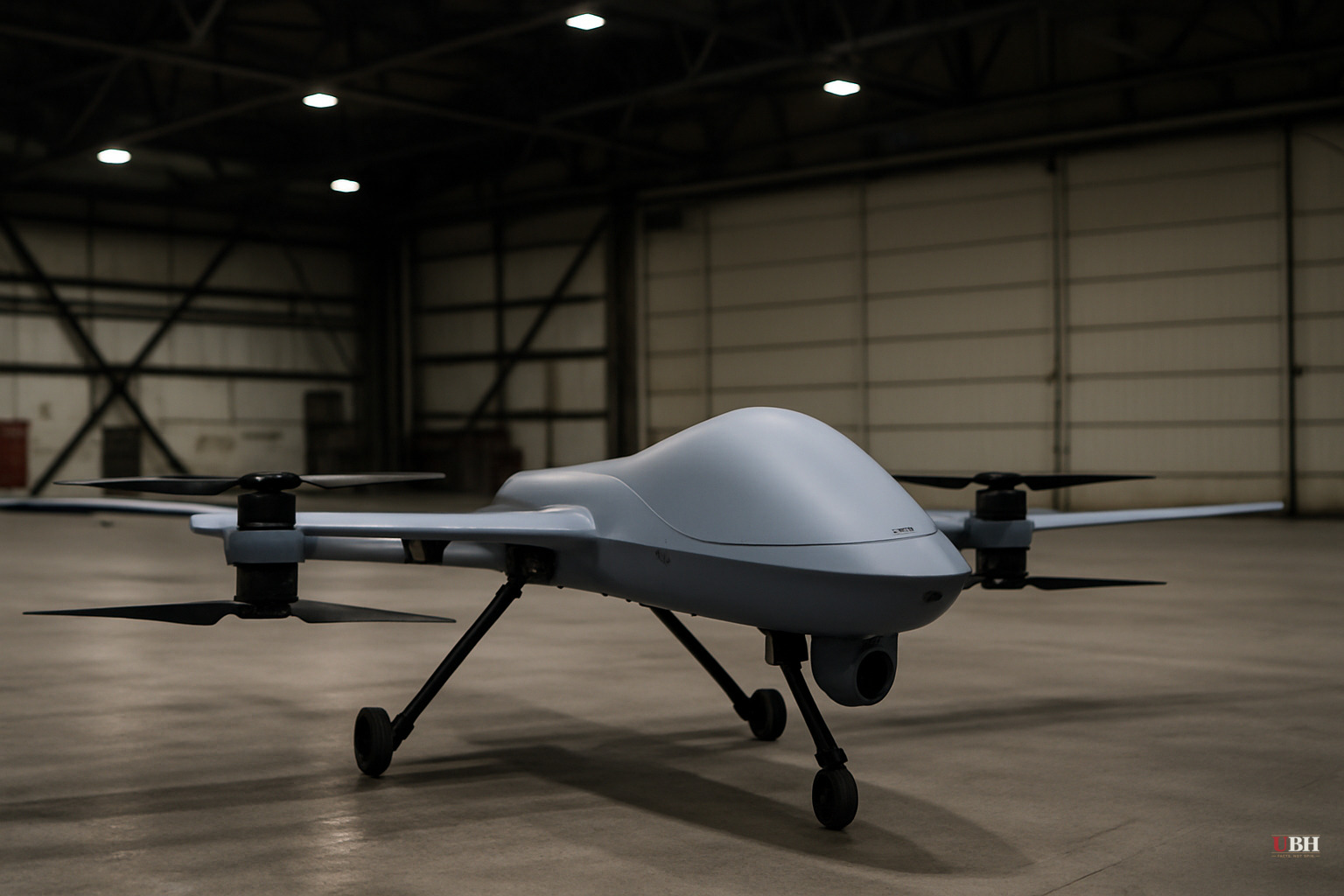
Since the 2026 FIFA World Cup kicked off across 11 U.S. host cities, three storylines have emerged this week: an all-time underdog advance, an expected giant tiptoeing through, and a federal drone crackdown with real criminal consequences.
Cape Verde Is in the Last 32
Cape Verde, a group of 10 Atlantic islands with a population of 525,000, has reached the World Cup knockout round. This is the country's first-ever World Cup appearance, according to BBC Sport.
They did not sneak in. They drew Spain 0-0 in the opener with 40-year-old goalkeeper Vozinha as the undisputed hero, then drew Uruguay 2-2, then held Saudi Arabia to another 0-0 draw. Group H runners-up, confirmed only when Spain beat Uruguay in the concurrent final group game.
According to BBC Radio 5 Live commentator Rob Law, players from the Cape Verde squad huddled around a mobile phone on the pitch watching the final moments of that Spain-Uruguay match. When the whistle blew, tears followed. Spain's former World Cup winner Juan Mata told ITV: "It's incredible what they are doing, it wasn't just one game against Spain, it is three games at the highest level."
Fourteen of the 26-man squad were born abroad. Six came from Rotterdam, where Cape Verdean emigrants settled through the country's maritime and trade history. The federation has deliberately recruited from the diaspora: centre-back Roberto Lopes was famously found via LinkedIn in 2019. Forward Dailon Livramento, born abroad and playing for Casa Pia in Portugal's Primeira Liga, scored the only goal in their qualifying win over Cameroon last September, according to BBC Sport.
NPR reported that Cape Verde is part of a broader African surge at this tournament. Morocco leads the field with seven goals and has yet to lose a game. Egypt is on a historic run. The Democratic Republic of Congo tied Portugal. Senegal defeated Iraq 5-0. Zayn Nabbi, host of the podcast On The Whistle, told NPR the African diaspora dynamic is central to this: young players with dual options are choosing African national teams over European ones. Moroccan midfielder Ayyoub Bouaddi, 18 years old and considered one of the top young talents in French football, turned down France to play for Morocco, sports journalist Maher Mezahi of the blog Africa Is A Country told NPR.
The reward for Cape Verde's group-stage run: a last-32 match against defending champions Argentina.
The Strongest Counterpoint: Is the Diaspora Model Sustainable?
Some critics raise a fair concern about whether national teams built heavily on diaspora recruitment represent a genuine development of domestic football or simply a talent-borrowing arrangement that obscures the underlying gap between wealthy leagues and smaller nations. Cape Verde's squad relies on players who built their skills in European academies and leagues, not on Cape Verdean soil. That is not an argument against what they have achieved, but a real question about whether smaller football federations can sustain competitive programs long-term without addressing domestic infrastructure. The FCF's own parliament member, Josina Freitas Fortes, framed it to BBC Sport Africa as a product of "passion, commitment and a clear technical plan" built over years, which suggests the federation views diaspora recruitment as deliberate strategy, not a shortcut.
England Through, But Not Clean
England qualified for the last 32 after Uruguay's loss to Spain confirmed the Three Lions hold at least one of the eight available third-place spots, according to BBC Sport. Their four points from two games came from a 4-2 win over Croatia and a 0-0 draw with Ghana.
They have injury concerns. Reece James, 26, suffered a hamstring issue in the Ghana draw and will miss the final group match against Panama, manager Thomas Tuchel confirmed according to BBC Sport. Declan Rice also missed a Thursday training session with strapping visible on his left calf. Neither has been ruled out of the knockout rounds yet, though both bear monitoring.
Iran's Late Winner Wiped Out by VAR
In Group G, Iran had a stoppage-time goal from Shoja Khalilzadeh ruled out by VAR against Egypt, according to BBC Sport. That denial means Iran cannot guarantee automatic qualification and now needs to hope a third-place finish is good enough to advance.
Drone Crackdown: 400 Seized, Four Federally Charged
Federal authorities have seized more than 400 unauthorized drones from restricted airspace across all 11 U.S. host cities since the tournament began, according to Fox News, which obtained statements from the FBI's Houston field office.
Four people now face federal charges: Huu An Nguyen Dinh, John Alexander Meza, Patrick Heer, and Jordan Lee Zale. All are accused of violating Temporary Flight Restrictions around FIFA World Cup venues, per the U.S. Attorney's Office for the Southern District of Texas. The FBI noted that Dinh had been warned by police before he allegedly flew into restricted airspace anyway.
The FAA has designated every World Cup venue a no-fly zone. The TSA told FOX Local that operators face fines up to $100,000, drone seizure, and federal criminal charges. The White House Task Force coordinated the operation with the FBI, DHS, TSA, FAA, and state and local law enforcement.
Former FBI Special Agent Nicole Parker, speaking on Fox News, flagged that the concern is not purely about reckless hobbyists. She referenced a recently foiled UFC terror plot and noted drones can carry explosives. The FBI's public statement was deliberately blunt: "Don't want to be federally charged? Then don't fly in a #NoDroneZone."
With the knockout round beginning, whether the drone enforcement rate holds as the sheer volume of tournament events stretches federal coordination remains to be seen.
Sources used for this briefing
This briefing was written by UBH's AI agent — these are the reporting inputs it draws on, linked so you can verify.


