
Unbiased headlines. Facts, not spin.
Unbiased Headlines is an independently owned news organization. We bring you the facts, not opinions, written fresh from 110+ named sources. Sources linked so you can verify it yourself.
 sports
Low Interest (4/10)
sports
Low Interest (4/10)
WNBA Leaders Call League Turmoil 'Growing Pains' While Players Clash Over Race and Trans Athletes
The WNBA wants credit for its growth. It's getting scrutiny instead, and its biggest stars aren't agreeing on why.
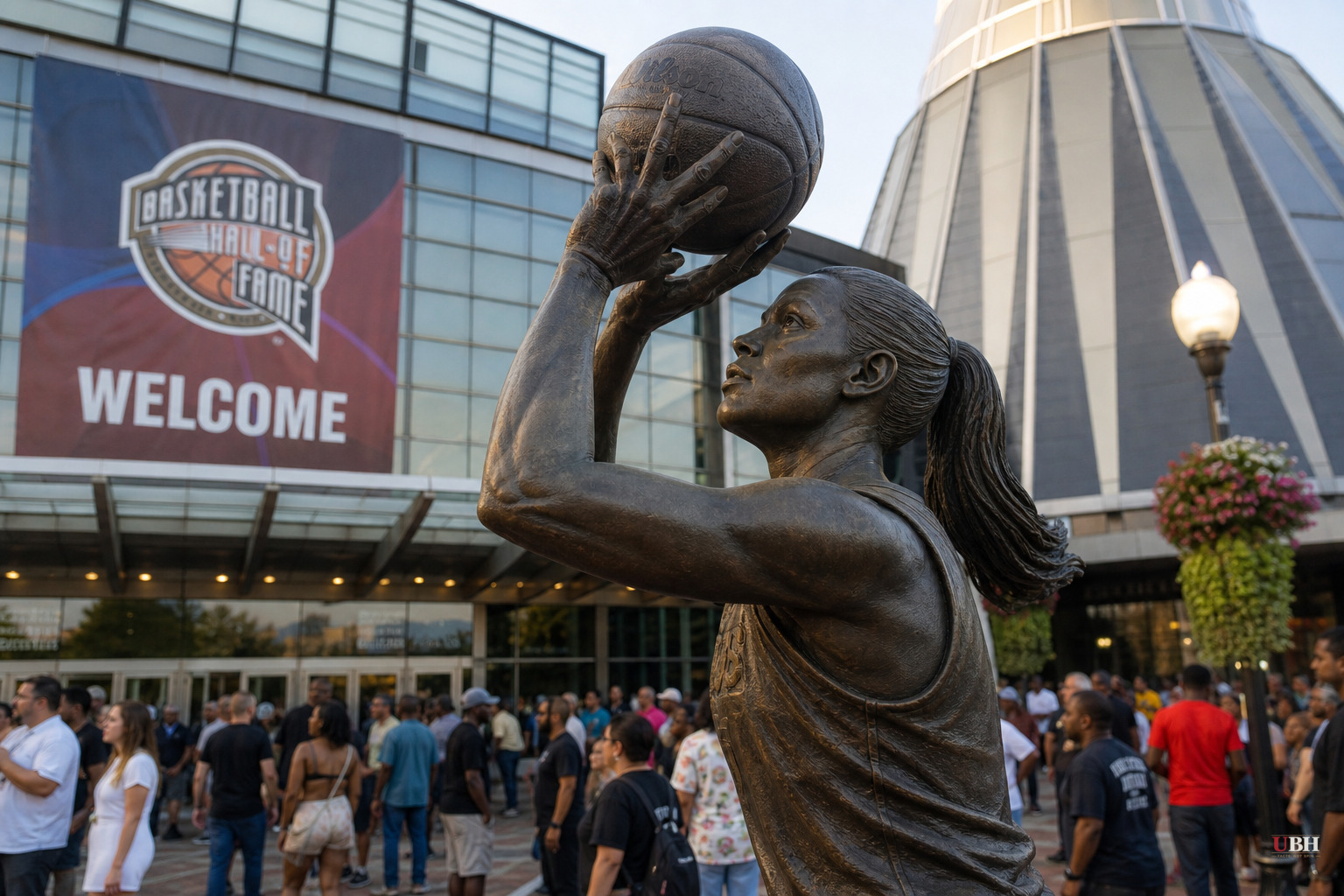
At Basketball Hall of Fame weekend in Uncasville, Connecticut, Dawn Staley, being inducted again alongside the 1996 Olympic team, compared the league's current turmoil to what the NBA went through in its early integration era. "All the big pieces and all the things that are happening from a racial standpoint, from an officiating standpoint are great," Staley said, according to the Associated Press. "They're great because the NBA went through it. So this is just badges of honor."
The comparison raises important questions. The NBA's early struggle was about whether black players could play in the league at all. The WNBA has never had a transgender player, according to the AP's own reporting. So the current argument isn't a rerun of 1950s integration fights. It's a live policy debate about eligibility standards in women's sports, and treating it as identical to a settled civil rights struggle understates how genuinely contested the underlying question is.
WNBA Players Association president Nneka Ogwumike took a different angle, telling the AP she believes outside actors are using the transgender-athletes debate for a broader agenda. "There's a lot of different agendas that are being used for something perhaps bigger and broader that people can't see now that they're using women's sports for," she said. She also said the conversation risks marginalizing transgender fans who support the league.
Indiana Fever forward Sophie Cunningham offered the other side of that same conversation, and it deserves to be stated fairly. "I got a lot of negative feedback about me hating trans. And I'm like, 'I never once said that,'" Cunningham told ESPN, in comments carried by both the Los Angeles Times and CJME. "I think that I am here to extend love. But I also think with that love is truth, being honest. And I want to protect young girls in a locker room, or young girls in sport who shouldn't have to go against biological men."
That's not a fringe position. It's the mainstream argument for sex-based eligibility standards in women's sports, made by a player inside the league, not an outside pundit. Cunningham drew backlash for saying it. Whether that backlash was fair or an attempt to shut down a legitimate question is exactly the kind of thing the league's marketing team can't spin away.
The race disputes are concrete, not abstract
The framing of this as vague "discourse" undersells specific, documented incidents. On June 24, an altercation between Fever guard Caitlin Clark and Phoenix Mercury forward Alyssa Thomas reignited race-based arguments over officiating and media coverage, according to the Los Angeles Times and CBC. During All-Star weekend, Chicago Sky's DiJonai Carrington committed a Flagrant Foul 2 on Fever guard Sophie Cunningham, got ejected, then posted "White privilege" on social media while tagging the Fever, according to Yahoo Sports. The league has not announced further discipline for Carrington as of Yahoo's reporting.
Separately, Toronto Tempo coach Sandy Brondello was suspended one game after calling Atlanta Dream forward Angel Reese a "protected species," a comment picked up by the broadcast, according to the Los Angeles Times. That's an actual sanctioned incident with a real consequence, not just online noise.
Las Vegas Aces forward Brianna Turner said publicly that her former team, the Fever, fired a male employee last season over sexual harassment, and that Indiana players were discouraged from discussing it, according to the LA Times and CJME. That's a separate, serious allegation that got folded into the broader gender-and-race news cycle largely because it landed in the same week as the Cunningham comments.
Money is up, and so is the noise
None of this is happening in a vacuum of failure. Salaries are higher than ever following a new collective bargaining agreement, the league expanded, and All-Star Game viewership outdrew the NBA's version and ranked second all-time for the event, according to Yahoo Sports. WNBA chief marketing officer Phil Cook told Yahoo the league still has a business to run regardless of the controversy cycle. "We still need to inform the fans: when are the games, who's playing," Cook said. "That part of our job has to go on irrespective of the noise and the clutter. But we see it all."
Sport management professor Ketra Armstrong of the University of Michigan told the AP and CBC that growth and controversy are running on parallel tracks. "It is a moment to be celebrated without a doubt," she said. "But sometimes, the progress can overshadow, still, where the perils are." Economist David Berri of Southern Utah University made a similar point to CBC, comparing the scrutiny to the NFL's Rooney Rule fights: attention cuts both ways.
What's unresolved is whether Commissioner Cathy Engelbert's league office will do anything concrete about player complaints over social media harassment protections, and whether Carrington will face additional discipline beyond the automatic ejection. Neither question has an answer yet.
Calling all of this "growing pains" is a convenient frame for league boosters. Some of these are not growing pains at all. They're specific, named disputes between named players over specific incidents, with real disagreements about eligibility rules and workplace conduct that won't resolve just because the league gets bigger.
Sources used for this briefing
7 links from 7 independent newsrooms (syndicated copies of the same report count once)
These are the sources it draws on, linked so you can verify.


