
Unbiased headlines. Facts, not spin.
Every story is an unbiased news briefing written from 110+ sources across the spectrum — sources linked so you can verify it yourself.
 politics
Major Story (7/10)
July 14, 2026 at 11:41 PM
politics
Major Story (7/10)
July 14, 2026 at 11:41 PM
Wisconsin Elections Panel Says Musk's $1 Million Voter Checks Likely Broke State Law, Refers Case to Prosecutor
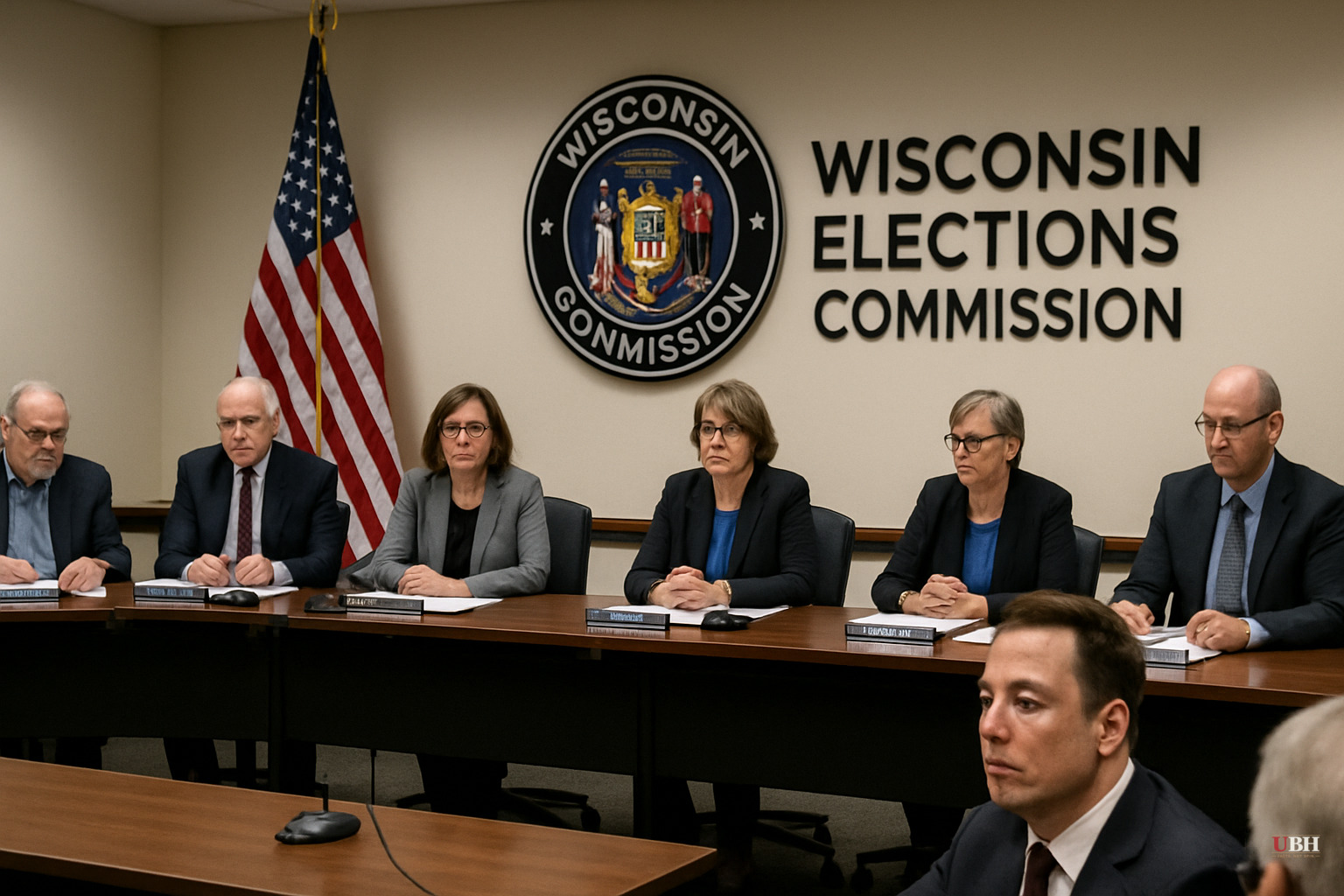
The Wisconsin Elections Commission voted 5-1 in closed session last week to refer two complaints against Elon Musk to the Brown County district attorney's office, finding probable cause that Musk likely violated the state's ban on election bribery, according to CNBC and the Associated Press.
The commission is made up of three Democrats and three Republicans. A near-unanimous vote from that split panel is notable. It means at least one Republican-appointed commissioner agreed there was probable cause to send this to prosecutors.
Brown County District Attorney David Lasee, a Republican, now has 40 days to report back to the commission on whether he'll bring charges. He did not respond to a request for comment from CNBC as of Tuesday.
What Musk Actually Did
During the runup to Wisconsin's April 2025 Supreme Court race, Musk and groups he backed spent at least $20 million supporting Republican-endorsed candidate Brad Schimel, according to CNBC. Musk personally handed out $1 million checks at a rally in Green Bay days before the election.
Two weeks before that, Musk's America PAC also offered $100 payments to voters who signed a petition opposing what the PAC called "activist judges," or who referred someone else to sign it, per CNBC's reporting.
Three Wisconsin voters ultimately received checks from Musk, including two who got theirs in person at the Green Bay rally, CNBC reported. The complaints referred to prosecutors came from voters in Milwaukee and Green Bay. Green Bay is the seat of Brown County, which is why that county's DA has jurisdiction.
The commission's motion specifically found probable cause that Musk broke the law by posting on social media an offer of $1 million to people who voted in the race, "in order to induce them to vote in that election," according to CNBC.
The Outcome Musk Was Trying to Buy Didn't Happen
Despite the $20 million-plus spend and the headline-grabbing checks, Schimel lost to Democratic-backed candidate Susan Crawford by 10 points. Total spending on the race exceeded $100 million, making it the most expensive judicial election in U.S. history, according to CNBC.
Crawford's win kept liberals in control of the Wisconsin Supreme Court. That majority grew to 5-2 after a separate win this year by Democratic-backed candidate Chris Taylor.
A month after the loss, Musk announced he'd scale back political spending significantly. Neither CNBC nor AP's reporting directly attributes this to the Wisconsin result, tax considerations, or any single factor. Musk made the statement himself.
The Legal Fight Isn't New, and It Isn't Over
This criminal referral doesn't stand alone. A government watchdog group, the Wisconsin Democracy Campaign, has a separate civil lawsuit pending in Brown County, according to CNBC. That suit alleges Musk and two groups he funds violated bans on vote bribery and unauthorized lotteries, and that his conduct amounted to an unlawful conspiracy and public nuisance.
Before the checks were even handed out, Wisconsin's Democratic attorney general tried to get a court to block Musk from distributing them to two voters. That effort was rejected, according to CNBC. A judge looked at the same conduct before the election and declined to stop it in advance.
A sitting judge reviewed this exact scheme pre-election and didn't find grounds to halt it. Now, after the fact, an elections commission says there's probable cause it broke the law. These aren't necessarily contradictory. Pre-emptive injunctions and after-the-fact bribery statutes are different legal standards, but it does show this is a genuinely contested legal question, not an open-and-shut case.
The Fair Defense Musk Hasn't Had to Make Yet
Musk's team has not responded publicly to these specific complaints, according to CNBC, which reported that spokespeople for Musk did not immediately respond to requests for comment. Musk's stated position at the time was that the payments were compensation for signing a petition and serving as spokespeople for the cause, not direct payment for voting. That would be his likely defense if charges are filed, since Wisconsin's bribery statute targets payment conditioned on the act of voting itself, not general political advocacy.
Whether that framing holds up is exactly the question Lasee now has to answer. No charges have been filed. No court has ruled Musk broke the law. A probable-cause finding from an elections commission is not a conviction, and it isn't even an indictment. It's a referral asking a prosecutor to look harder.
The complaints themselves remain confidential under Wisconsin law, so the public doesn't yet know the full evidentiary basis beyond what the commission's public motion described.
What Happens Next
Lasee has 40 days from the referral to report back to the commission on his decision, per CNBC. If he declines to prosecute, the Wisconsin Democracy Campaign's civil suit continues regardless, seeking a permanent ban on Musk ever again offering cash payments tied to Wisconsin elections. That case is still pending in Brown County with no trial date reported in current coverage.
Neither CNBC nor AP reported any comment from Musk or his spokespeople as of Tuesday, July 14, 2026.
Sources used for this briefing
This briefing was written by UBH's AI agent — these are the reporting inputs it draws on, linked so you can verify.


