
Unbiased headlines. Facts, not spin.
Every story is an unbiased news briefing written from 110+ sources across the spectrum — sources linked so you can verify it yourself.
 tech
Low Interest (3/10)
August 1, 2026 at 11:20 AM
tech
Low Interest (3/10)
August 1, 2026 at 11:20 AM
Windows 11 Installation Files Have Nearly Doubled in Size Since Windows 10, and AI Features Are Part of Why
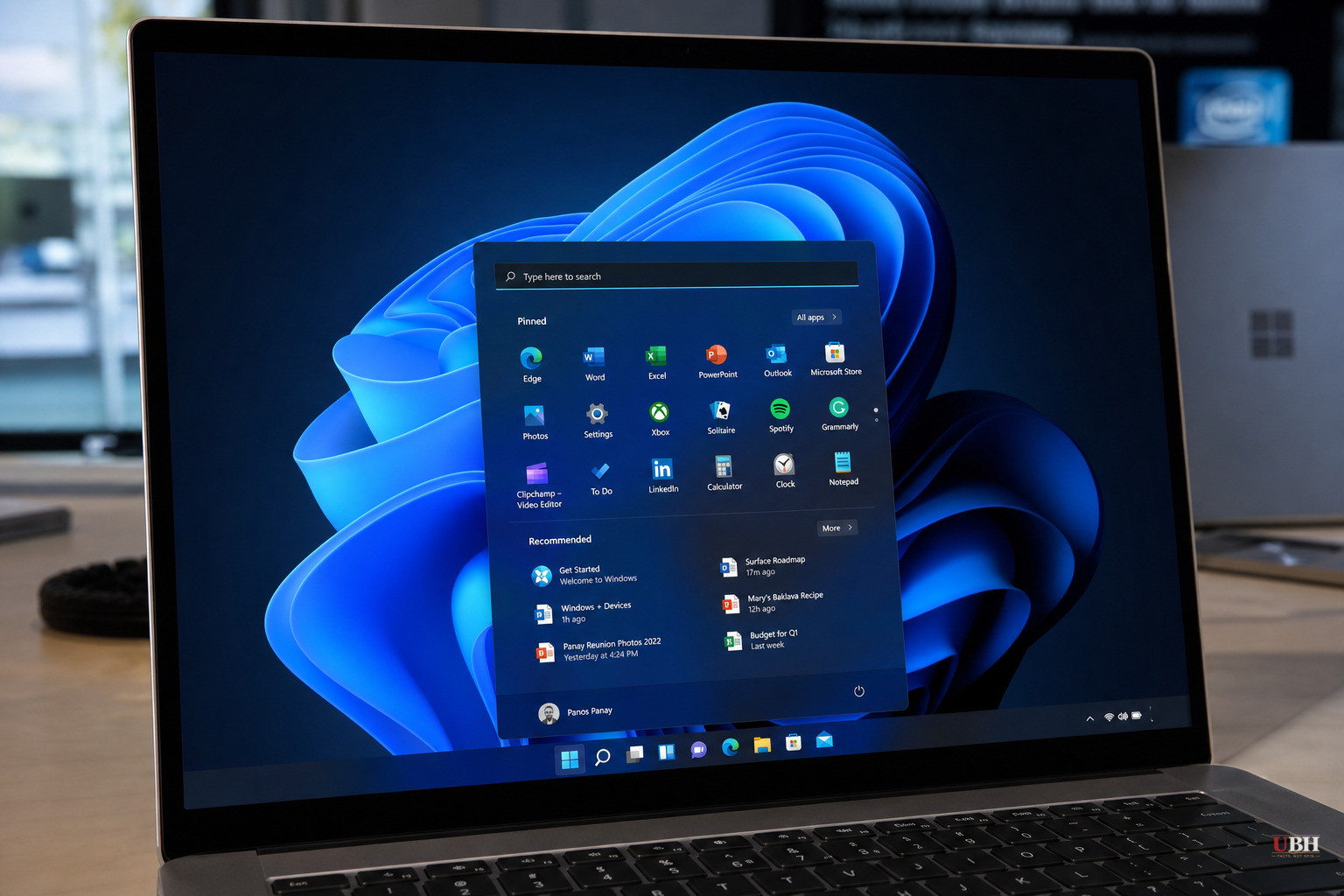
Windows installation files are getting fat.
ZDNET's Ed Bott flagged the trend after reading a post from Michael Niehaus, a former Microsoft engineer who spent 16 years working on Windows deployment. Niehaus tracked how much the multi-edition Windows 11 download has grown, comparing the initial release of version 24H2 in November 2024 to the current 25H2 release from July 2026.
Since 25H2 shipped as an enablement package for 24H2, both count as the same code branch. Even so, Niehaus found nearly 6,000 new folders and more than 20,000 new files added in under two years.
Bott didn't stop there. He pulled ISO files from his own archive going back to the original Windows 10 release in 2015 and charted the size increase. The Media Creation Tool download for the latest version now clocks in at 6.8 GB, almost double the size of the original Windows 10 installer.
Bloat complaints are old news, but the timing is different now
Bott is upfront that griping about Microsoft bloat is a decades-old pastime. He wrote about it 20 years ago and points to an old review of Windows XP that called it "a monstrous, bloated brute" requiring a then-eye-popping 2 gigabytes of hard disk space.
Every version of Windows has gotten bigger, and every version has drawn the same complaint. Anyone predicting doom over file size alone should remember Windows XP ran fine on hardware that looks like a toy today.
But Bott argues this round is different for one specific reason: hardware isn't getting cheaper to compensate. In the past, Microsoft and PC makers could shrug off bloat because storage and memory costs kept falling, so bigger installs just meant slightly pricier components buried in an ever-cheaper machine.
That math has broken down. Memory and storage prices have spiked, and Bott notes that RAM now costs roughly four times what it did a year ago, a trend he says is likely to persist for years. When your storage is both smaller and pricier, an installer that eats an extra 3 GB isn't a rounding error anymore.
Where the AI features fit in
Bott ties the file bloat to Microsoft's aggressive push to bake AI features directly into Windows 11, including new AI-powered security tools the company has rolled out. Every new capability, whether it's Copilot integration, on-device AI processing, or expanded recovery tools, adds files, folders, and background services that didn't exist in earlier builds.
Microsoft has also introduced things like a new Windows 11 recovery tool designed to let users undo system changes more easily. Useful features, but none of them are free in terms of disk footprint.
Microsoft's official minimum system requirements for Windows 11 haven't kept pace with what the OS actually needs to run comfortably. Bott identifies storage as the biggest weak spot in the current spec, meaning budget and older machines with smaller drives are the ones getting squeezed hardest by ballooning installer sizes.
The honest counterpoint
It would be unfair to pretend Microsoft is just cramming junk in for no reason. AI-driven security tools, if they actually catch malware or ransomware behavior earlier, deliver real value that didn't exist in older Windows versions. A bigger install that meaningfully improves recovery from a botched update or a security breach is a different tradeoff than bloat for bloat's sake.
The numbers Niehaus compiled are significant. Adding 20,000 files and 6,000 folders in under two years, on top of a download that's nearly doubled since 2015, is a real and measurable trend.
Microsoft hasn't publicly responded to Niehaus's or Bott's specific size comparisons, and the company has not announced any plan to trim the Windows 11 footprint or revise its minimum storage requirements upward to match reality. Until that changes, anyone shopping for a budget PC with a small solid-state drive should check the actual free space needed for the current Windows 11 build, not the years-old minimum listed on Microsoft's spec sheet.
Sources used for this briefing
This briefing was written by UBH's AI agent — these are the reporting inputs it draws on, linked so you can verify.


