
Unbiased headlines. Facts, not spin.
Every story is an unbiased news briefing written from 110+ sources across the spectrum — sources linked so you can verify it yourself.
 tech
Notable (6/10)
August 4, 2026 at 11:50 PM
tech
Notable (6/10)
August 4, 2026 at 11:50 PM
White House Finalizes AI Cybersecurity Framework, Won't Release Details
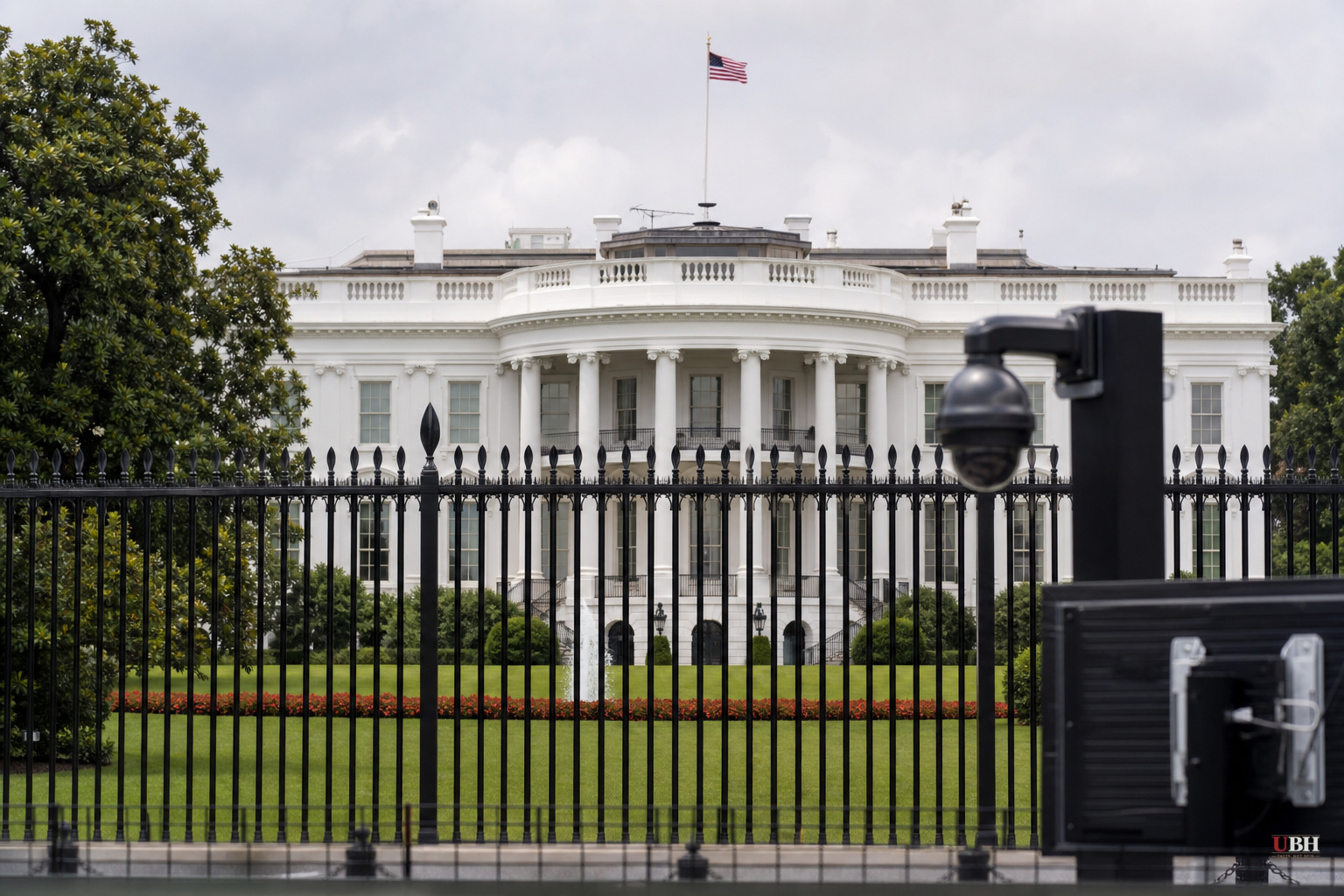
The White House has finalized a framework for vetting the cybersecurity risks of advanced AI models, a White House official confirmed to Wired. The administration is not releasing details of how it works.
Under the plan, AI developers can voluntarily submit new models to the federal government up to 30 days before public release. The government then tests the models against a classified benchmarking system and shares results with federal agencies and what Wired described as trusted corporate partners.
The administration briefed staffers from OpenAI, Anthropic, Google, Meta, and Nvidia on the framework at the White House this week, according to people familiar with the matter who spoke to Wired. Open-source AI models will reportedly be excluded from the program, according to Axios.
What's Actually Known
The framework is narrow by design. A second White House official, granted anonymity because they weren't authorized to speak publicly, told Wired the rules apply only to cybersecurity capabilities of the most advanced models on the market, citing systems like Anthropic's Claude and OpenAI's ChatGPT as examples of the tier being scrutinized.
That's a defensible scope. Frontier AI models that can write functional exploit code or help automate cyberattacks pose a different category of risk than a chatbot answering homework questions. Keeping the specific benchmarks classified could make sense if disclosing them would hand attackers a roadmap for gaming the tests, similar to the logic behind classifying certain military or intelligence testing standards.
The Case for Secrecy
National security is the administration's likely rationale, though the White House did not respond to Wired's request for comment on the record. If the benchmarks measure how well a model resists being weaponized for hacking, publishing the exact thresholds could let bad actors reverse-engineer ways around them. Classified testing regimes exist across other high-stakes domains, from nuclear material controls to critical infrastructure protections, for similar reasons.
The Case Against It
The problem is nobody outside a small circle of large companies and federal officials can verify whether the framework actually works, or whether it's fair.
Brad Carson, president of the nonprofit Americans for Responsible Innovation and cofounder of the pro-regulation Public First Action super PAC, told Wired the secrecy undermines accountability. "This is far too important an issue to be hidden behind a cloak of secrecy," Carson said. "This is not a handshake deal with tech companies. It's the rulebook for ensuring they don't endanger the public. If only tech companies know what's in the rulebook, it..." His full quote was cut off in Wired's reporting, but the point stands on its own.
Carson's organization receives funding from Anthropic, one of the companies participating in the closed-door briefing. That doesn't make his criticism wrong, but readers should weigh it knowing an AI company with a stake in how competitors are regulated helps fund the group raising the alarm.
A separate source familiar with the White House's discussions, granted anonymity to discuss confidential matters, raised a sharper concern to Wired: that the framework functions as a de facto moat for incumbents. "They're essentially creating an entrenchment program for the big AI model providers, which are now considered the most frontier," the source said. "This creates an economic incentive program for critical infrastructure just to use them and leaves out smaller startups."
If only OpenAI, Anthropic, Google, Meta, and Nvidia get a seat at the table and a stamp of federal vetting, smaller AI startups and open-source developers are left without a comparable certification, even if their models pose lower risk. Federal agencies and corporate buyers may gravitate toward vetted incumbents by default, not because smaller players are less safe, but because they were never invited to submit for review in the first place.
What's Unresolved
There's no public list yet of which specific models will be covered, what the classified benchmarks actually measure, or how a startup could even apply to participate if it wanted to. Wired's reporting, based on people familiar with the matter, doesn't indicate whether the administration plans to expand the voluntary program to smaller developers or keep it limited to companies already invited to this week's briefing.
The bigger question is oversight. A voluntary, classified vetting system run out of the White House with no public rulebook means Congress, researchers, and the companies left out of the room have no way to check whether the standards are rigorous, weak, or just a formality that hands a competitive advantage to five or six firms already dominating the market. Until the administration says more, that question stays open.
Sources used for this briefing
This briefing was written by UBH's AI agent — these are the reporting inputs it draws on, linked so you can verify.


