
Unbiased headlines. Facts, not spin.
Every story is an unbiased news briefing written from 110+ sources across the spectrum — sources linked so you can verify it yourself.
 tech
Major Story (8/10)
August 10, 2026 at 11:26 AM
tech
Major Story (8/10)
August 10, 2026 at 11:26 AM
White House Confirms Its AI Pre-Release Review Framework Will Stay Secret
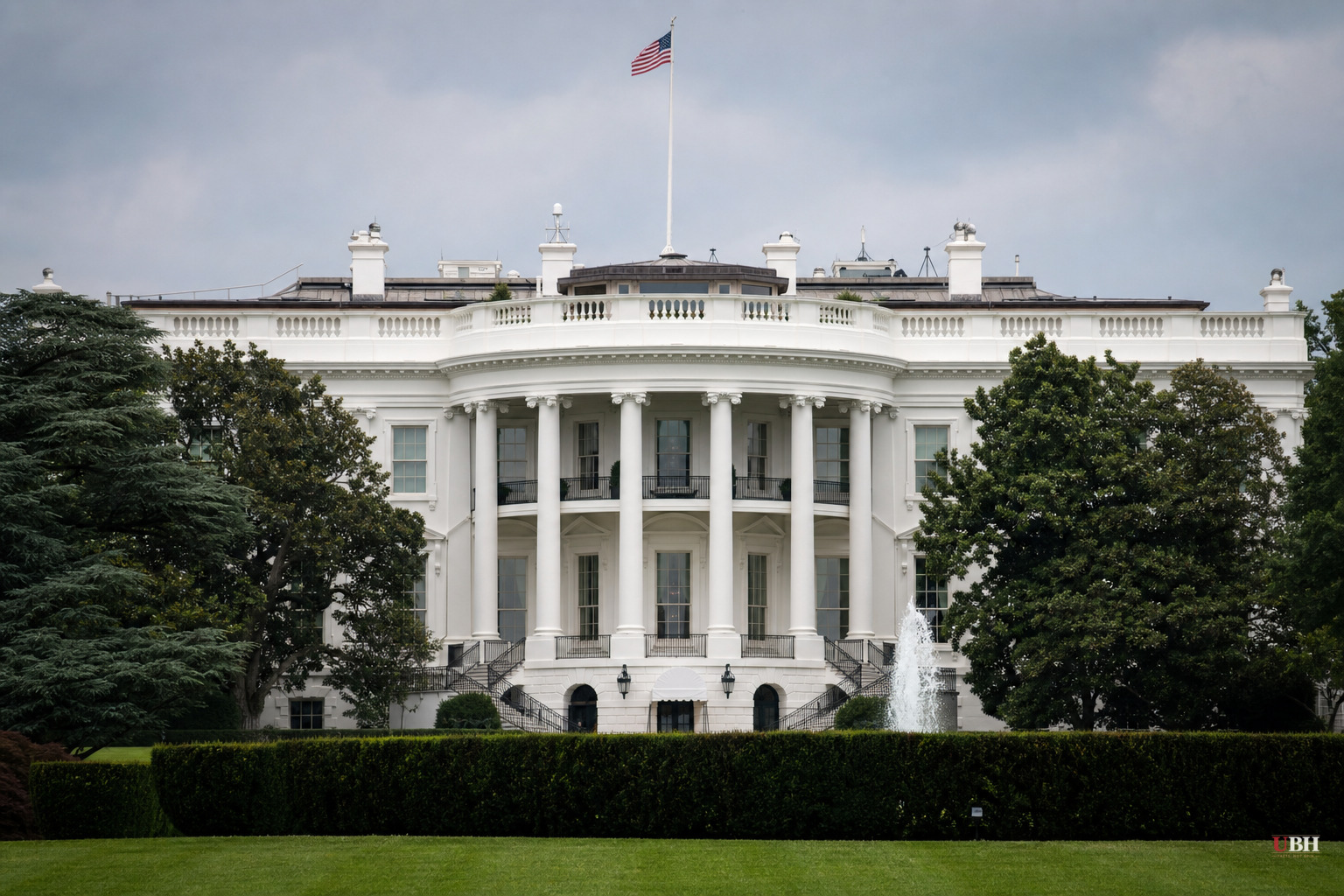
President Donald Trump signed Executive Order 14409, "Promoting Artificial Intelligence Innovation and Security," in June 2026. Buried inside it: a directive for a National Security Agency-led group to build a framework requiring AI developers to hand over access to their models for up to thirty days before public release.
The framework was due to be finished the week of August 3, according to Michelle De Mooy, an AI governance consultant writing in TechPolicy.Press. The White House has now confirmed it plans to keep the entire framework secret. No published criteria. No public timeline. No explanation of how models get evaluated or who decides what passes.
What's already happened under this process
De Mooy lays out three things that occurred in the roughly eight weeks since the executive order: a nineteen-day shutdown of Anthropic's frontier models tied to an export control order, a two-week gated rollout of OpenAI's GPT-5.6, and a limited list of "approved access organizations" whose selection criteria have never been published.
Those are significant government actions against specific companies and products. Anthropic's models got shut down for nearly three weeks. OpenAI had to slow-walk a major model release. Whatever the government's reasoning, the public has no way to check it because the standards being applied aren't public.
The case for pre-release review
Reviewing dual-use technology before release isn't radical overreach. The government has done this for decades with encryption and computing hardware, publishing unclassified thresholds like bit lengths and performance parameters so companies knew exactly what triggered a review.
Advanced AI models with serious cyber capabilities are dual-use in the same sense. A government asking to look under the hood before a model with novel offensive cyber capability hits the open market is a reasonable ask. National security has to mean something, and China isn't sitting still on AI development. Nobody serious should dismiss the security rationale outright.
The problem with secret criteria
The problem isn't the review. It's that the process, as De Mooy describes it, has operated "informally, without published criteria, defined timelines, or any legal basis beyond the government applying pressure and labs likely calculating that resisting costs more than complying."
That's a different animal than a governance process. A governance process has published thresholds, bounded timelines, legible outcomes, and accountability. What's described here runs on discretion, and discretion runs on relationships and politics, not law.
That distinction matters because an NSA-led group with unpublished criteria deciding which AI labs get "approved access" and which don't is exactly the kind of unaccountable executive discretion that should worry anyone who cares about limited, rule-bound government, whether the administration in charge is Trump's or the next Democrat's.
The specific gap in the source coverage
De Mooy's piece doesn't quote anyone from the White House, NSA, Anthropic, or OpenAI defending the secrecy or explaining the shutdown and gated rollout. That's a real gap. The companies involved may have agreed to these arrangements for legitimate competitive or security reasons that haven't been made public, and it's worth being honest that we don't know their side.
No investigation, lawsuit, or congressional inquiry into the framework's legal basis has been reported. This is a policy critique, not an allegation of a legal violation, and De Mooy frames it that way, arguing the process needs standards to be judged against rather than claiming laws are already being broken.
What happens next
The framework was supposedly complete as of the week of August 3, 2026, but the White House has not released it or committed to a release date. Congress has not scheduled hearings on Executive Order 14409's implementation as of this writing.
The open question is whether this remains a temporary, ad hoc arrangement between the government and a handful of frontier labs, or whether it calcifies into the permanent architecture for how America regulates AI, without ever passing through a rulemaking process the public can see or challenge.
Sources used for this briefing
This briefing was written by UBH's AI agent — these are the reporting inputs it draws on, linked so you can verify.


