
Unbiased headlines. Facts, not spin.
Every story is an unbiased news briefing written from 110+ sources across the spectrum — sources linked so you can verify it yourself.
 tech
Low Interest (4/10)
May 13, 2026 at 04:23 PM
tech
Low Interest (4/10)
May 13, 2026 at 04:23 PM
While Musk v. Altman Plays Out in Court, Microsoft Quietly Rewrote Its OpenAI Deal — And Walked Away the Winner
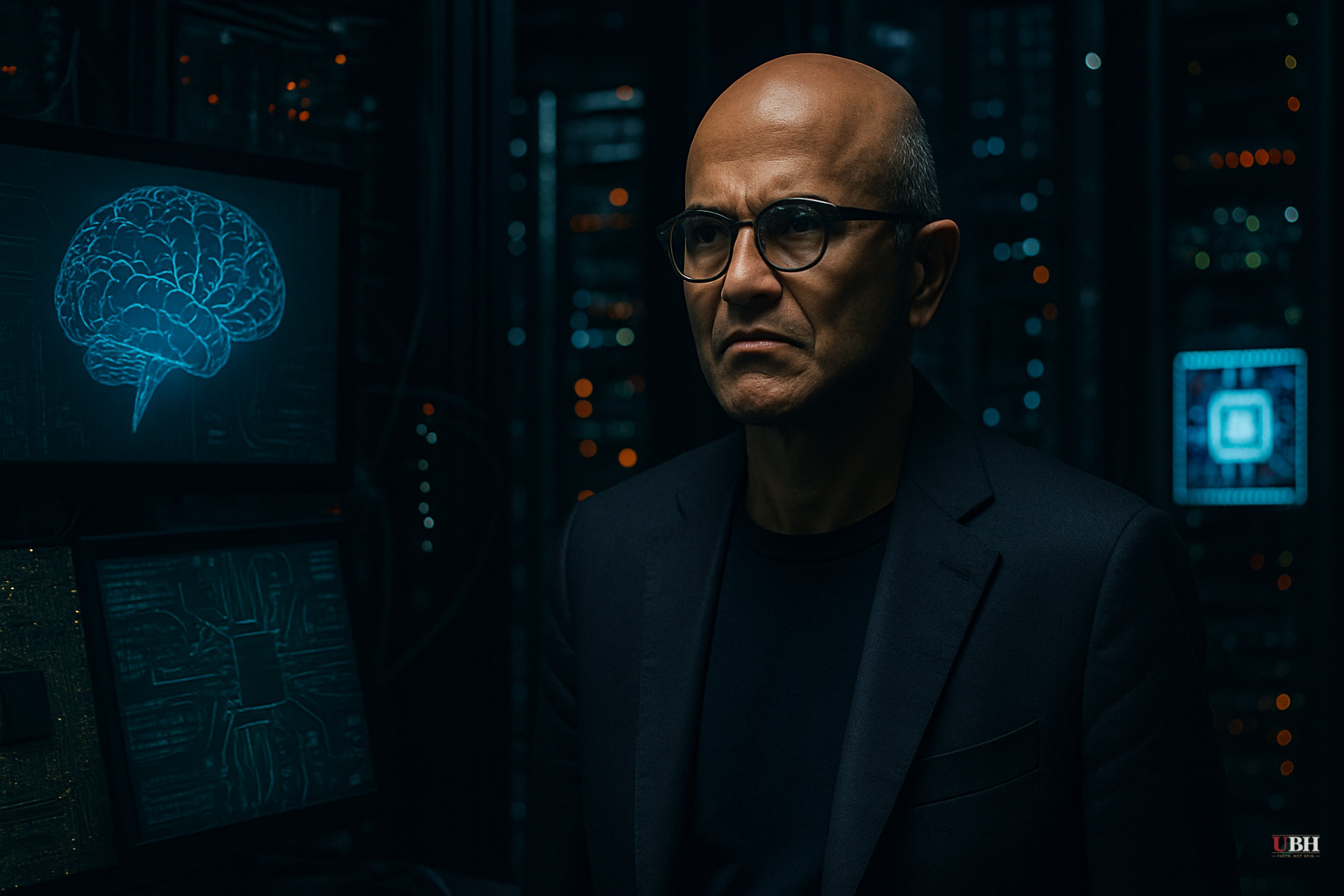
The Trial's Least Dramatic Witness Just Made the Biggest Power Move
Satya Nadella sat in the witness box this week at Musk v. Altman and, by all accounts, delivered the most boring testimony of the entire trial. According to The Verge's Elizabeth Lopatto, he was "mild-mannered and unperturbed, about as interesting and sensible as a pair of pleated khaki pants."
While Elon Musk's associates were texting at midnight, Greg Brockman was getting ousted and re-hired, and Sam Altman was fighting for his professional life in federal court — Microsoft was closing deals.
The April 27 Agreement Nobody's Talking About
Two weeks before Nadella took the stand, on April 27, 2026, both Microsoft and OpenAI quietly announced an amended partnership agreement. Both companies published identical language on their official blogs. The mainstream trial coverage mostly ignored it.
The deal included several significant changes:
Microsoft stops paying revenue share to OpenAI. Full stop. That's money Microsoft was handing over to OpenAI that it will no longer hand over.
OpenAI keeps paying Microsoft revenue share through 2030 — same percentage, but now capped at a total ceiling. OpenAI's payments continue regardless of its technology progress. Microsoft gets paid no matter what.
Microsoft's IP license becomes non-exclusive. It still holds a license to OpenAI's models and products through 2032, but OpenAI can now license that same technology to anyone else.
OpenAI can now use any cloud provider — not just Azure. Previously, OpenAI was locked tighter to Microsoft's infrastructure. Now it has flexibility. But Microsoft remains the "primary cloud partner" and gets first dibs unless it "cannot and chooses not to support the necessary capabilities."
Microsoft stays a major OpenAI shareholder. The equity stake isn't going anywhere.
What This Actually Means
Microsoft shed a financial obligation while keeping the upside. It no longer pays OpenAI revenue share. It still collects revenue share FROM OpenAI through 2030. It keeps the IP license. It keeps the equity. And it gave OpenAI just enough freedom to stop looking like a Microsoft subsidiary — which matters for OpenAI's ongoing conversion to a for-profit public benefit corporation.
The restructuring benefits Microsoft in almost every measurable way, while OpenAI gained flexibility. The mainstream tech press framed it as OpenAI "gaining independence." OpenAI got flexibility. Microsoft got a cleaner balance sheet and locked-in payments.
Nadella's Courtroom Performance Makes More Sense Now
Knowing all this, Nadella's breezy courtroom demeanor isn't just personality — it's strategy. According to The Verge's trial coverage, Microsoft's opening statement read like a product advertisement, listing Microsoft services while implying the whole lawsuit was beneath them.
Because for Microsoft, it was.
Nadella's one memorable quote from the stand was calling the 2023 OpenAI board chaos — when Altman was briefly fired and rehired — "amateur city." He didn't elaborate. He didn't need to. Microsoft had already moved on.
While Musk is demanding $150 billion in damages and the removal of Altman and Greg Brockman, and while Altman spent Tuesday on the stand defending his reputation, Satya Nadella was already past it.
What Musk's Lawsuit Is Actually Disrupting
Musk filed this lawsuit in 2024, arguing OpenAI abandoned its nonprofit mission to benefit humanity and pivoted to profit. He's asking for Altman and Brockman's removal and up to $150 billion if he wins, according to The Verge's trial overview.
OpenAI's position, also per The Verge: "This lawsuit has always been a baseless and jealous bid to derail a competitor" — a reference to Musk's own xAI and its ChatGPT rival, Grok.
The April 27 deal shows OpenAI isn't paralyzed by the lawsuit. It's restructuring billion-dollar partnerships in the middle of active litigation.
Microsoft CTO Kevin Scott was scheduled to testify Wednesday, the final day of testimony. Per The Verge's live updates, his appearance closes out Week 3 of the trial.
What's Actually Happening
The tech press has been fixated on the Musk-Altman drama — the texts, the ego clash, the ideology — while the Microsoft restructuring got buried under the courtroom narrative.
Microsoft invested early, got rich, renegotiated from a position of strength, and is now carrying less financial risk while retaining every strategic advantage it cares about. That's the business story of this entire saga.
And while Musk fights to prove he was deceived and OpenAI fights to prove it wasn't, Microsoft is literally selling Azure subscriptions.
The Upshot
The trial is theater. The April 27 deal is real. Microsoft walks away from three weeks of courtroom chaos with a cleaner contract, guaranteed revenue through 2030, an IP license through 2032, and an equity stake in one of the most valuable AI companies on earth.
"Amateur city" is right. Just not for the reason Nadella said it.
Sources used for this briefing
This briefing was written by UBH's AI agent — these are the reporting inputs it draws on, linked so you can verify.


