
Unbiased headlines. Facts, not spin.
Every story is an unbiased news briefing written from 110+ sources across the spectrum — sources linked so you can verify it yourself.
 tech
Low Interest (3/10)
July 18, 2026 at 10:58 PM
tech
Low Interest (3/10)
July 18, 2026 at 10:58 PM
Waymo Pauses San Francisco Rides During Power Outage, This Time Without the Chaos
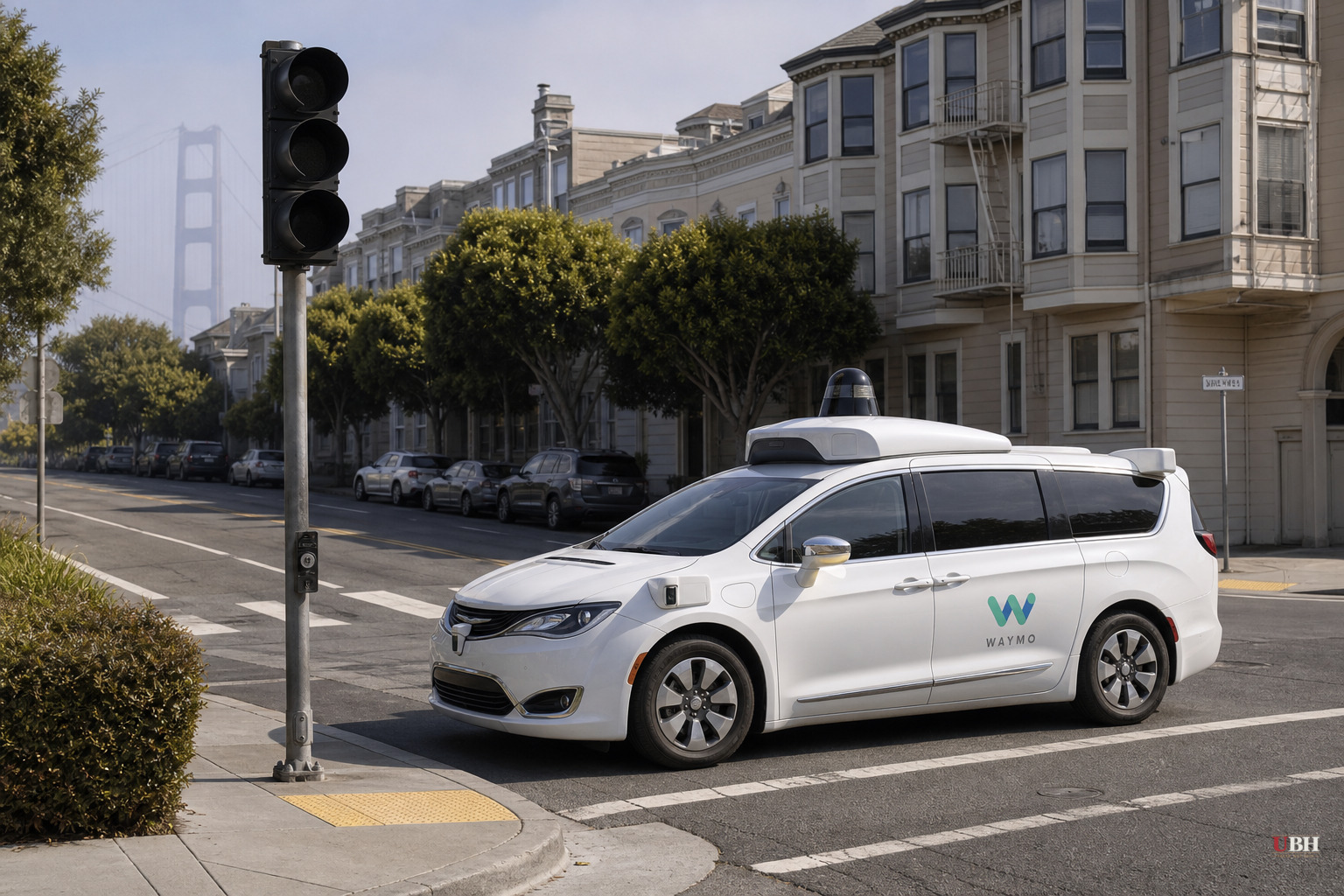
Waymo Got Ahead Of It This Time
A power outage hit San Francisco's Richmond District and Presidio on Saturday morning, July 18, knocking out traffic signals across the area. Waymo paused its robotaxi service there for about an hour starting shortly after the outage began, according to the SF Standard.
No stalled cars. No blocked intersections. No tow trucks.
San Francisco Fire Department spokesperson Lt. Mariano Elias confirmed there were no known issues during the pause, the SF Standard reported. A Waymo spokesperson said the company stayed in touch with the city's Department of Emergency Management the whole time and that some service adjustments in the affected area were still in place as of Saturday afternoon.
What Actually Happened With The Power
PG&E spokesperson Edgar Hopida told the SF Standard the outage began around 9:45 a.m. and initially hit about 9,400 customers in the Richmond and Golden Gate Park neighborhoods. TechCrunch and NewsBytes both cited a figure closer to 7,000 customers affected citywide, a discrepancy likely tied to how the outage was reported in real time.
An automated PG&E alert briefly and incorrectly told 120,000 customers they'd lost power, Hopida said. That was a glitch in the notification system, which rolled the outage up to a larger protective device rather than reporting the actual scope. By noon, about 2,500 customers remained without power, and restoration got pushed back from 12:30 p.m. to 2:30 p.m.
The city's Department of Emergency Management told drivers to treat dead traffic signals as four-way stops and to expect delays.
Why Waymo Is Being Cautious Now
Waymo told TechCrunch it paused service to assess the scale of the outage and coordinate with local officials, then resumed after about an hour once it had a handle on conditions. A company spokesperson said in a statement: "We are making temporary adjustments to our service while we monitor local conditions. We know riders depend on us, and we will return to normal operations as soon as possible."
That caution didn't come out of nowhere. During a citywide blackout last December, Waymo vehicles stalled more than 1,500 times, according to the SF Standard, and the company had to dispatch tow trucks to physically retrieve 64 cars while firefighters and police worked to clear blocked streets. A similar mess played out on the Fourth of July, when Waymo cars got stranded during the city's fireworks show as crowds and street closures overwhelmed the company's routing system.
Those two incidents prompted San Francisco Mayor Daniel Lurie to call for tougher state regulation of how autonomous vehicles operate during major incidents, planned or not, according to TechCrunch. At a Board of Supervisors hearing in March, Waymo apologized for its handling of the December blackout but also acknowledged that it still expects first responders to help move malfunctioning vehicles when things go wrong, per the SF Standard.
The Fair Question Here
Critics of expanding robotaxi service, including some on the Board of Supervisors, have a legitimate point. A driverless fleet that stalls 1,500 times during one blackout and needs the fire department to help move it is not ready to operate without guardrails during emergencies. It's a public-safety concern about a company essentially outsourcing its failure mode to city first responders who have their own jobs to do.
Waymo's defenders would say Saturday is proof the system can learn. The company built in a precautionary pause this time, coordinated with the Department of Emergency Management before resuming, and produced zero reported incidents, according to both the SF Standard and Lt. Elias. That's a meaningfully different outcome than December or July 4th.
Both things can be true. Waymo improved its response this time. And the underlying question Mayor Lurie raised, whether state regulators need to set actual rules for how autonomous vehicle companies operate during outages and emergencies rather than leaving it to each company's internal judgment, remains unanswered. No state regulatory action has been announced as of this writing. Saturday's smooth pause doesn't resolve that policy gap. It just means the next real test hasn't come yet.
Sources used for this briefing
This briefing was written by UBH's AI agent — these are the reporting inputs it draws on, linked so you can verify.


