
Unbiased headlines. Facts, not spin.
Every story is an unbiased news briefing written from 110+ sources across the spectrum — sources linked so you can verify it yourself.
 tech
Notable (5/10)
August 4, 2026 at 06:15 PM
tech
Notable (5/10)
August 4, 2026 at 06:15 PM
Waymo Drops Waitlist in Dallas, Opens Robotaxi Service to Anyone With the App
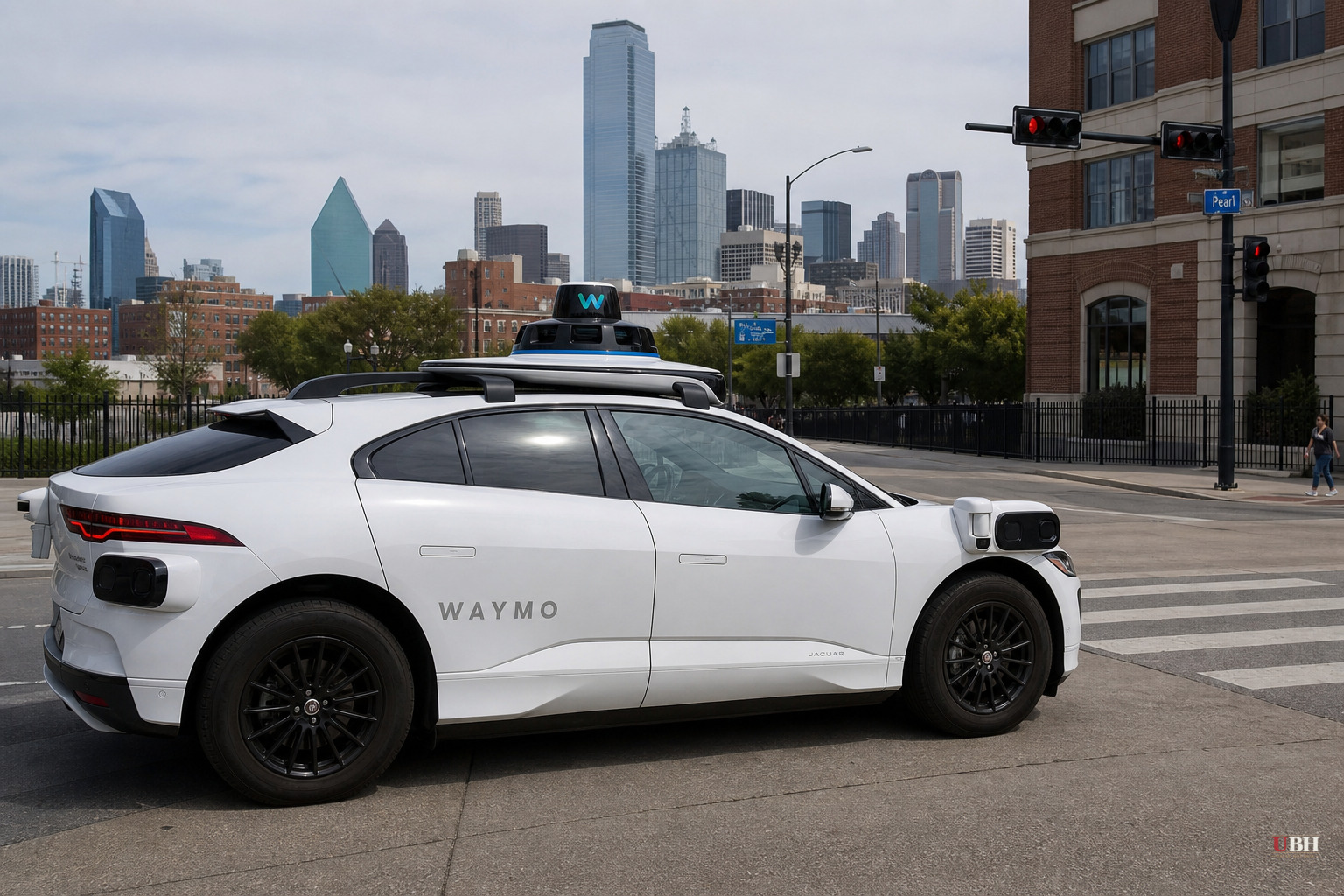
Waymo pulled the waitlist in Dallas on Tuesday. Anyone with the app can now hail one of the company's driverless Jaguar I-Pace SUVs, no invitation required, according to TechCrunch.
That's the same rollout script Waymo has run in Phoenix, Los Angeles and San Francisco: launch limited, build confidence, then throw the doors open. Dallas got the invite-only version back in February. TechCrunch reported about 150,000 riders used the app during that waitlist period.
One notable gap remains. Riders still can't hail a Waymo to Dallas Love Field Airport. The company told TechCrunch it's still testing self-driving operations there and expects to add airport service soon. No firm date has been given.
Waymo's Dallas footprint didn't start this week. The company, owned by Alphabet, has been testing on Dallas streets since last year and announced plans back then to launch full service in 2026. It's running the fleet in partnership with Avis Budget Group, which handles depot operations, charging and maintenance for the all-electric vehicles.
The Rain Problem Is Real, and Waymo Isn't Hiding It
This isn't a clean success story with no bumps. In May, Waymo paused robotaxi service entirely in Dallas, Houston, San Antonio and Atlanta because its vehicles struggled with heavy rain and flooded roads, according to TechCrunch.
That's a legitimate concern for anyone about to rely on this technology to get to work or the airport. A car that can't safely operate in a Texas thunderstorm isn't a full replacement for a human driver, at least not yet. Texas gets plenty of flash flooding, and Dallas just went through it.
Service has since resumed in all four cities. But Waymo told TechCrunch it may adjust or pause operations again based on severe weather, flood warnings, or real-time road conditions going forward. The company says riders can check live service status in the app before they book a ride.
That's a reasonable safeguard, and it's Waymo being upfront about a real limitation rather than papering over it. Riders should treat "Waymo is available" as a live status check, not a guarantee, especially during storm season.
Scaling and the Real Test Ahead
Waymo is scaling aggressively. TechCrunch describes the Dallas expansion as part of a broader push into Europe, the United Kingdom and additional U.S. markets. Removing the waitlist in a major market signals the company believes its technology and operations are mature enough to handle unrestricted demand, at least on dry pavement.
The bigger test isn't whether Waymo can drive well on a sunny Tuesday afternoon in Dallas. It's whether the company can prove reliability across the full range of conditions American drivers actually deal with, floods included. A May-to-August timeline of pause, fix, resume, and now full public rollout isn't a scandal. It's how autonomous vehicle technology is supposed to mature: publicly, with real setbacks, in real cities, not in a simulation.
Nobody outside Waymo has published independent data on how often the company's vehicles have paused service since May or what specific engineering changes were made to handle flooding better. Waymo's own statement to TechCrunch was general: it "may adjust or temporarily pause operations" based on conditions. That's a promise of caution, not a technical explanation, and riders deciding whether to trust an autonomous vehicle in a downpour don't have much more than the company's word to go on right now.
The open question for Dallas riders is simple: what happens the next time a storm rolls through North Texas during rush hour? Whether Waymo's fix holds up under real pressure, rather than in a controlled pause-and-restart, is the thing to watch next.
Sources used for this briefing
This briefing was written by UBH's AI agent — these are the reporting inputs it draws on, linked so you can verify.


