
Unbiased headlines. Facts, not spin.
Every story is an unbiased news briefing written from 110+ sources across the spectrum — sources linked so you can verify it yourself.
 politics
Notable (6/10)
July 20, 2026 at 02:03 PM
politics
Notable (6/10)
July 20, 2026 at 02:03 PM
Warren, Sanders and Schumer Back Different Candidates in Michigan and Maine Senate Primaries
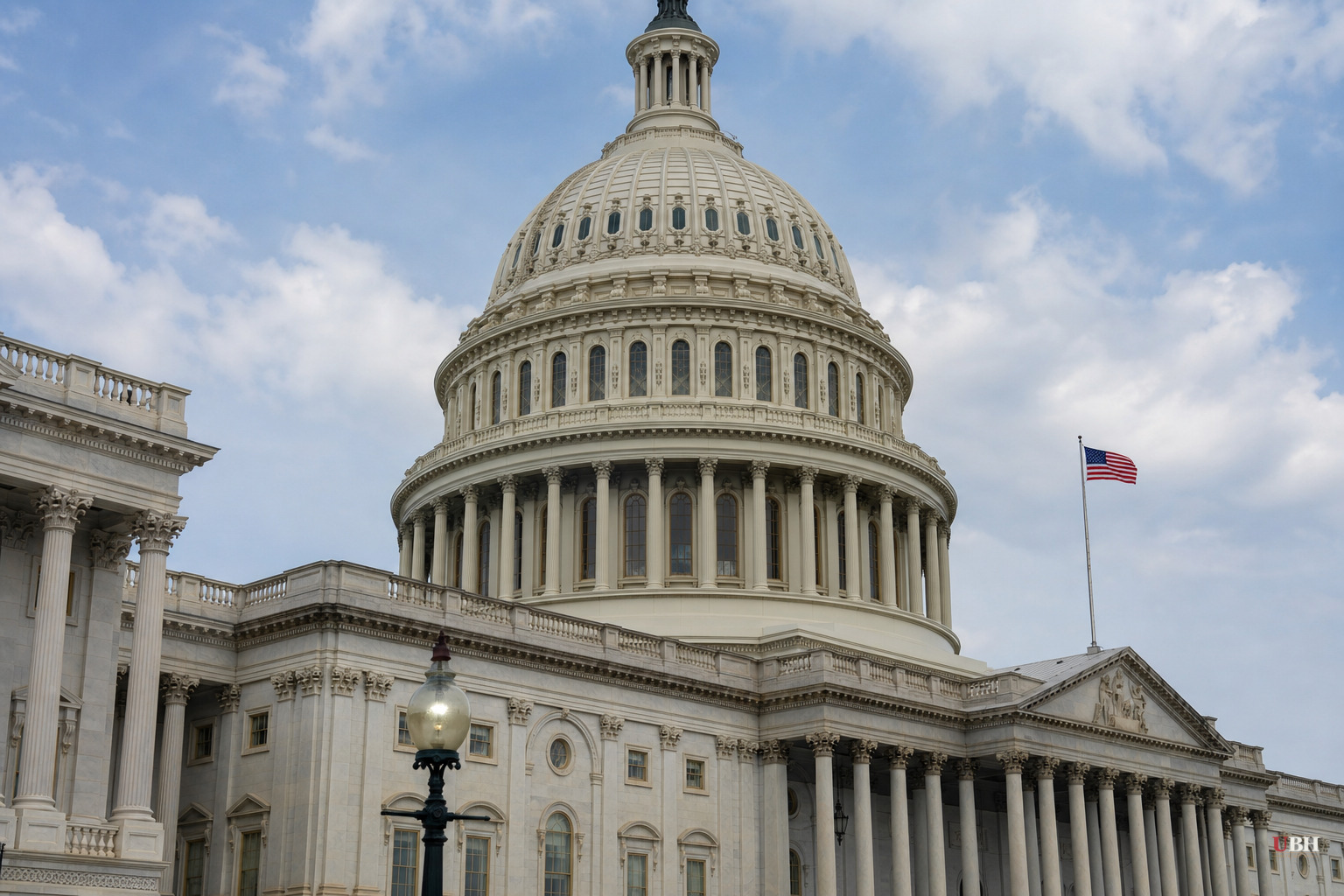
Two Senate Democrats, two different maps
Chuck Schumer wants Janet Mills in Maine and Haley Stevens in Michigan. Elizabeth Warren wants Graham Platner in Maine and Abdul El-Sayed in Michigan. Same party, same November target, completely different bets on who gets there.
The Senate Minority Leader is getting publicly overruled by members of his own conference, according to the Associated Press as reported by PBS. New Mexico Sen. Martin Heinrich, who's backing Platner, put it bluntly: "Clearly there's a disagreement of strategy here." He added that "the business-as-usual calculation for what is going to be successful in a given election cycle does not necessarily, in my view, meet the moment."
Maine: the tattoo, the oyster farmer, and the governor
In Maine, Schumer and the Democratic Senatorial Campaign Committee lined up behind Gov. Janet Mills, a 78-year-old two-term moderate, according to PBS. Sanders endorsed Graham Platner, a veteran and oyster farmer, within days of his launch. Heinrich, Arizona Sen. Ruben Gallego and Warren followed. Heinrich and Rhode Island Sen. Sheldon Whitehouse have held a fundraiser for him.
Platner's rise came despite what PBS described as scrutiny over past controversial comments and a tattoo resembling a Nazi symbol. Gallego, who won a competitive 2024 race in Arizona without early establishment support, downplayed reading too much into the wave of endorsements: "Senate leadership didn't back me at the beginning. So I didn't take that as a critique."
Michigan: McMorrow is out, Warren and Schumer are split
Michigan's primary has been just as tangled. State Sen. Mallory McMorrow, who had Warren's earlier backing, dropped out of the race weeks before the primary, according to Fox News. McMorrow had also said she would not support Schumer as caucus leader if Democrats retook the majority, per PBS.
With McMorrow gone, Warren shifted her endorsement to Abdul El-Sayed. In her endorsement video, she said El-Sayed is "the only candidate in this race not taking corporate money, and he's fighting to get money out of politics altogether," adding that he's "the only candidate in this race who can build the grassroots movement needed to win in November."
Schumer, meanwhile, is backing Rep. Haley Stevens. Fox News reported he privately told Punchbowl News, "I think she has the best chance to win." Sanders and Rep. Alexandria Ocasio-Cortez have also stumped for El-Sayed, and Fox News highlighted that El-Sayed has drawn comparisons to New York City's Zohran Mamdani.
The baggage question, stated fairly
El-Sayed's critics have a legitimate complaint. Fox News noted he's faced scrutiny over old social media posts, including a past pitch to "defund the police" and redirect funds away from what he described as "war materiel to wage war in our streets," which he has since disputed characterizations of. Voters weighing an insurgent candidate in a swing state are entitled to ask whether past statements reflect current positions, and that's a legitimate line of questioning regardless of which wing of the party is asking it. Platner has faced a parallel version of this scrutiny in Maine over his past comments and the tattoo.
The Democratic establishment's counter-argument is also legitimate: Schumer and the DSCC are working from data on which candidates poll best in swing-state general elections, not just primaries, and their read is that Mills and Stevens are more electable in November. Both sides are making electability arguments. They just disagree on what electability means in 2026.
Why this is bigger than two races
PBS framed the dispute as being about something larger than any single seat: whether Democrats' traditional playbook works in a country that elected Donald Trump twice, and whether leaders like Schumer should keep running the show. Ohio Democratic strategist Nan Whaley told PBS the debate isn't really progressive versus moderate anymore. "It's really about, who do you trust? Establishment or not establishment," she said. "And frankly, the establishment hasn't given us a lot to trust these past few years."
Democrats are still relitigating the 2024 decision to have Joe Biden run for a second term despite widespread concerns about his age. He dropped out and handed the nomination to Kamala Harris, who lost to Trump.
Minnesota is seeing a similar split, according to PBS, with progressive senators backing non-establishment candidates there too. The Michigan and Maine primaries will be the first hard test of whether Schumer's picks or the Sanders-Warren wing's picks actually win. If Schumer's candidates lose their primaries after he spent political capital backing them, expect calls for new Senate Democratic leadership to get louder heading into November.
Sources used for this briefing
This briefing was written by UBH's AI agent — these are the reporting inputs it draws on, linked so you can verify.


