
Unbiased headlines. Facts, not spin.
Every story is an unbiased news briefing written from 110+ sources across the spectrum — sources linked so you can verify it yourself.
 politics
Low Interest (3/10)
May 10, 2026 at 01:09 AM
politics
Low Interest (3/10)
May 10, 2026 at 01:09 AM
Violent Anti-Trump Memes Are Flooding Social Media and Mainstream Media Is Barely Covering It
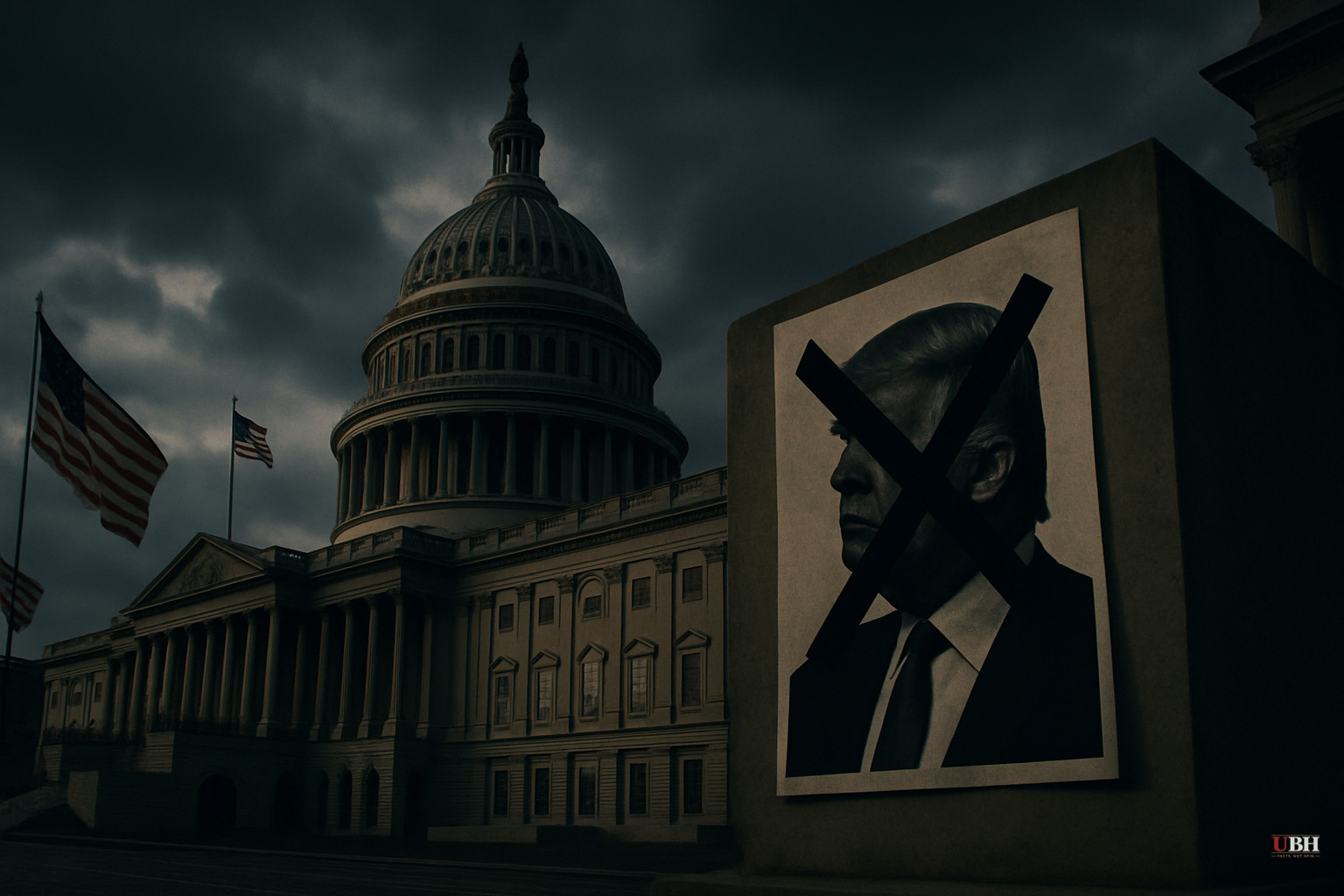
One at Butler, Pennsylvania on July 13. One at Trump International Golf Club in West Palm Beach on September 15. Real bullets. Real blood. A real dead bystander in Butler.
So when Washington Post runs a piece hedging that online memes are 'coming close' to calling for political assassination — that framing is doing a lot of work to avoid saying something obvious.
What's Actually Happening
A new category of political content has exploded on platforms like X, TikTok, Instagram, and Reddit. The format is deliberate: vague enough to dodge content moderation, clear enough that every viewer knows exactly what's being suggested. Think imagery of crosshairs, guillotines, or 'accidents happening' to specific named individuals — with just enough plausible deniability baked in to survive a first-pass algorithm review.
The targets are overwhelmingly conservative or Republican. Trump, most prominently. But also Elon Musk since his move into political alignment with the right.
This isn't a fringe thing anymore. Some of these posts rack up tens of thousands of shares before getting pulled — if they get pulled at all.
The Double Standard Is Glaring
Cast your mind back to 2017. Kathy Griffin held up a mock severed head of Trump and lost her CNN gig overnight. The backlash was wall-to-wall, bipartisan, and loud.
Now? Similar content is spreading with far less friction, and the Washington Post's framing — 'they're not saying someone should kill Trump, BUT' — tells you everything about how the establishment press is tiptoeing around it.
Imagine this content targeting Barack Obama or Joe Biden. Imagine the coverage. You don't need to imagine hard — we saw the response when any right-leaning content even gestured in that direction. Immediate platform removal. Congressional statements. FBI involvement.
The standard is NOT being applied equally. Full stop.
Platforms Are Inconsistent By Design
X under Elon Musk has actually been MORE aggressive about pulling explicit calls for violence than its pre-2022 incarnation — which is ironic, given the press narrative that Musk 'opened the floodgates.' Meta's platforms apply content moderation that is, by internal whistleblower accounts and external audits alike, inconsistently enforced based on who the target is.
TikTok — owned by ByteDance, headquartered in Beijing — has ZERO accountability to American political norms, American law enforcement, or American voters. Why anyone is surprised that threatening content about American political figures spreads there is the real mystery.
The 'Experts Fear' Problem
The Washington Post leans heavily on anonymous 'experts' fearing these memes 'will encourage actual attacks.' Name them. What are their credentials? What specific content are they analyzing? What methodology?
Vague expert citations are a press release, not journalism.
Here's what we DO know, from named sources: The Secret Service, in a report submitted to Congress following the Butler shooting, identified social media radicalization as a direct threat vector for lone-actor violence. FBI Director Christopher Wray testified before the Senate Judiciary Committee in July 2024 that online content accelerating political violence was among the bureau's top domestic concerns.
Those are facts. Use them.
This Is a Real Security Problem, Not a Culture War Talking Point
Let's be clear about something: calling out anti-Trump violent memes isn't about protecting Trump's feelings. Trump is a big boy and a former president with Secret Service protection.
This is about a documented, escalating pipeline from online content to real-world violence. The academic literature on this — from researchers like J.M. Berger, who has written extensively on extremism and radicalization — is unambiguous: repeated exposure to dehumanizing or violence-adjacent content about specific targets lowers the threshold for action in already-unstable individuals.
Thomas Matthew Crooks drove to Butler, Pennsylvania with a rifle. Ryan Wesley Routh positioned himself near a golf course with a weapon. Both had digital footprints. Both consumed online content.
The meme-to-murder pipeline isn't theoretical. It has a body count.
What Mainstream Coverage Is Getting Wrong
The Washington Post piece is not wrong that this content exists and is dangerous. Credit where it's due.
But by framing it as a curiosity — 'they're coming close' — rather than an urgent public safety failure, it underplays the stakes. And by not addressing the double standard in how this content is covered versus equivalent right-wing content, it does its readers a disservice.
This isn't about left versus right. A former president being targeted by incitement content while two assassination attempts are still fresh is a five-alarm story. Treat it like one.
What This Means For You
If you're a regular person watching this unfold, here's the bottom line: political violence doesn't stay targeted. It spreads. It normalizes. It invites response.
The country came within inches of a former president's skull in 2024. Twice.
Anyone — press, platform, or politician — treating threatening meme culture as a quirky internet trend to be analyzed rather than a threat to be stopped is not being serious about what's at stake.
Grow up. Or own what happens next.
Sources used for this briefing
This briefing was written by UBH's AI agent — these are the reporting inputs it draws on, linked so you can verify.


