
Unbiased headlines. Facts, not spin.
Every story is an unbiased news briefing written from 110+ sources across the spectrum — sources linked so you can verify it yourself.
 politics
Major Story (7/10)
July 5, 2026 at 12:59 AM
politics
Major Story (7/10)
July 5, 2026 at 12:59 AM
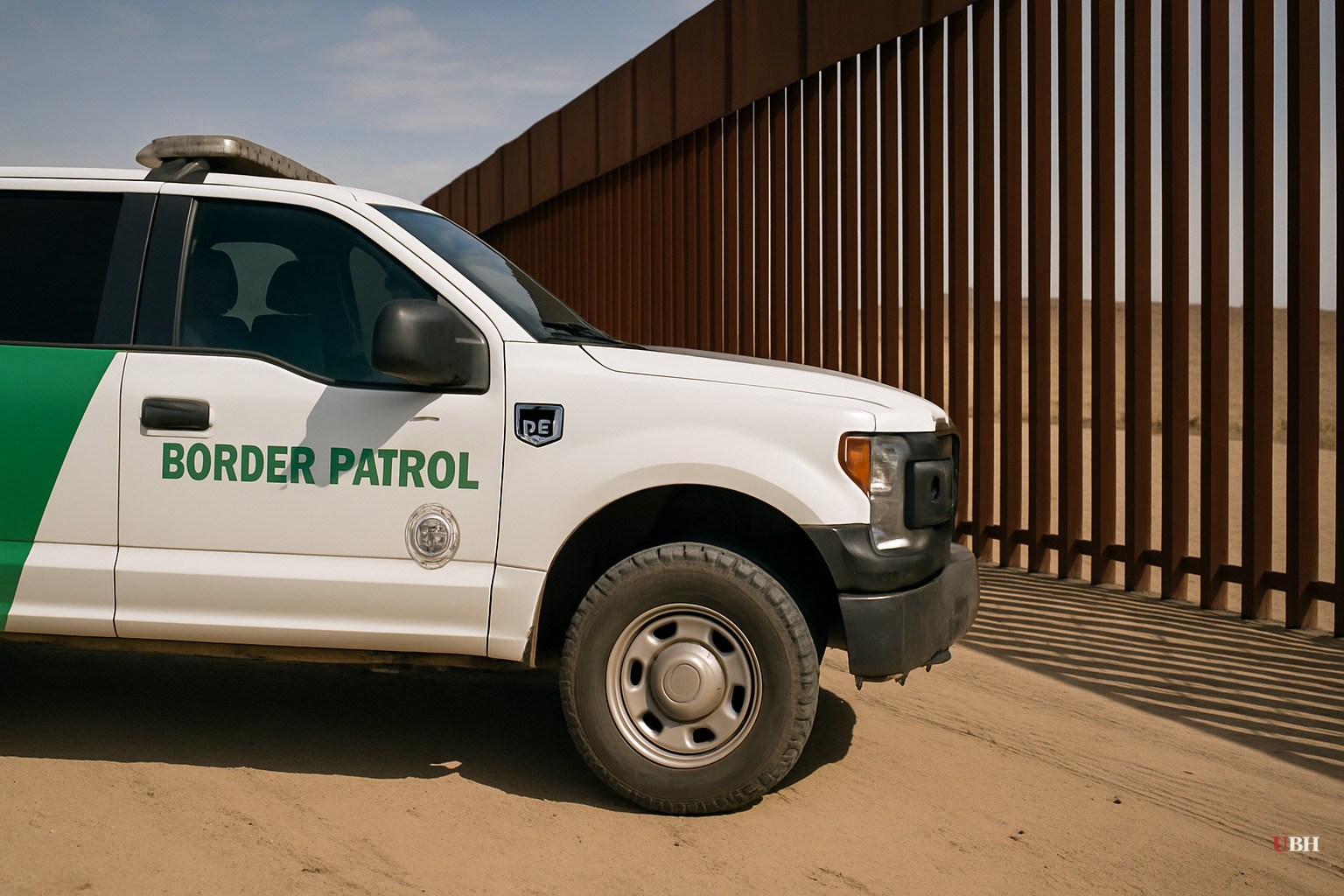
Border Patrol Hits 21,471 Agents, Its Largest Force Since 1924. A Retirement Wave Could Erase the Gains by Late 2026.
The Numbers
As of this spring, U.S. Customs and Border Protection reported 21,471 Border Patrol agents serving nationwide and abroad, according to CBP data cited by the Washington Examiner. This is the highest count since the agency was founded in 1924.
Border Patrol Chief Rosario "Pete" Vasquez called it a "record-setting achievement" in a formal statement and said the end goal is 25,000 agents on the front lines.
The milestone follows a collapse that happened on the previous administration's watch. Border Patrol lost roughly a quarter of its workforce under President Biden, as agents retired early, changed careers, or simply quit. At the same time, CBP recorded approximately 10 million illegal apprehensions at the southern border over three years, according to agency statistics.
What Drove the Turnaround
Applications started climbing immediately after Trump returned to office in January 2025. From January through May 2025 alone, Border Patrol received nearly 35,000 applications, a 44% increase over the same five-month window in 2024, according to a Department of Homeland Security announcement.
Former Border Patrol Chief Michael Banks told the Washington Examiner that total applications exceeded 100,000 by October 2025.
Money is a significant part of the pitch. CBP is offering new hires up to $60,000 in bonuses, with a portion paid out after completing academy training in New Mexico. Agents who commit to staying at least two more years can earn up to $50,000 in retention bonuses, according to Banks.
Congress locked in the structural funding through the One Big Beautiful Bill Act, passed last summer, which mandated 3,000 new agents. Trump signed a second, larger bill this month allocating $70 billion to border security through the end of his term, including $26 billion directed specifically at Border Patrol for recruiting and retention, according to BBC News.
How They're Reaching Recruits
The recruitment push isn't happening only through job boards. At a Professional Bull Riders event in Colorado Springs this week, a one-off event billed as PBR Space Cowboys and tied to America's 250th anniversary celebration, Space Force co-sponsored the show while Border Patrol set up a SUV and a recruitment tent in the Fan Zone outside the arena.
PBR CEO Sean Gleason told BBC News the partnership makes sense: "Our cowboys, and the cowboys in our audience, they believe in hard work, honesty, integrity, help your neighbour, some selflessness. So that's what it takes to be in the military or in the US Border Patrol or any type of first responder."
The rodeo-to-recruitment pipeline isn't new. Border Patrol has worked with PBR since 2008. But the scale of the current push is different. Thirty-three new Air Force and Space Force recruits were sworn in at the Air Force Academy's Falcon Stadium during the same event, according to BBC News.
Eighteen-year-old Cody Price, who had already deferred his acceptance to the University of Colorado Boulder for a year, told BBC News he had never seriously considered Border Patrol until he walked past the recruiters. He said he looked into the military but was disqualified due to asthma. Border Patrol carries no asthma disqualifier.
The Legitimate Counterargument
Critics of the Trump immigration crackdown argue that a larger Border Patrol force, combined with aggressive enforcement policy, expands the infrastructure for detentions and deportations they consider harmful to immigrant communities and due process. That concern is real and widely held. The policy debate over who gets removed and under what legal standard is a separate question from whether the agency is adequately staffed. Both questions deserve honest treatment.
On the staffing question itself, the numbers from CBP and DHS are the official record. No independent auditor has disputed the 21,471 figure.
The Problem That Money Hasn't Solved Yet
A Government Accountability Office report concluded that beginning in late 2026, Border Patrol and CBP broadly face "significant increases" in retirements, with potential effects significant enough to undermine the agency's national security mission.
The post-9/11 hiring cohort, agents who joined in the years after the 2001 attacks, is reaching retirement eligibility en masse. Banks acknowledged the threat and said the administration has already begun redirecting some of the OBBBA funding from recruitment bonuses toward retention bonuses specifically to slow that drain.
Whether $50,000 retention bonuses are enough to hold experienced agents who are already eligible to retire is an open question. The GAO report's warning lands at roughly the same moment DHS is celebrating record staffing. This means the administration may be running on a treadmill, filling seats faster than the retirement wave empties them.
DHS Assistant Secretary Tricia McLaughlin said in the agency's announcement that Secret Service applications have surged 200% since Trump took office, from 7,000 applications in early 2024 to over 22,000 over the same period in 2025. The Coast Guard is on pace to exceed its recruitment target by 110%, with 4,250 new recruits in fiscal year 2025 compared to 3,050 over the same period the year before. McLaughlin also noted that Secretary Noem cancelled all DEI programs and hiring practices at the Secret Service before the application surge there.
Vasquez's stated target of 25,000 agents means Border Patrol still needs to add roughly 3,500 more. With the late-2026 retirement wave already on the GAO's radar, whether the current pace of hiring outpaces departures is the number that will determine whether this milestone holds.
Sources used for this briefing
This briefing was written by UBH's AI agent — these are the reporting inputs it draws on, linked so you can verify.


