
Original briefings. Zero spin.
Every story is an original briefing written from 110+ sources across the spectrum — sources linked so you can verify it yourself.
 politics
Notable (6/10)
Event date: August 31, 2026
politics
Notable (6/10)
Event date: August 31, 2026
USCIS Adds Credit-Check Authorization to Green Card Sponsor Form, Effective With No Grace Period
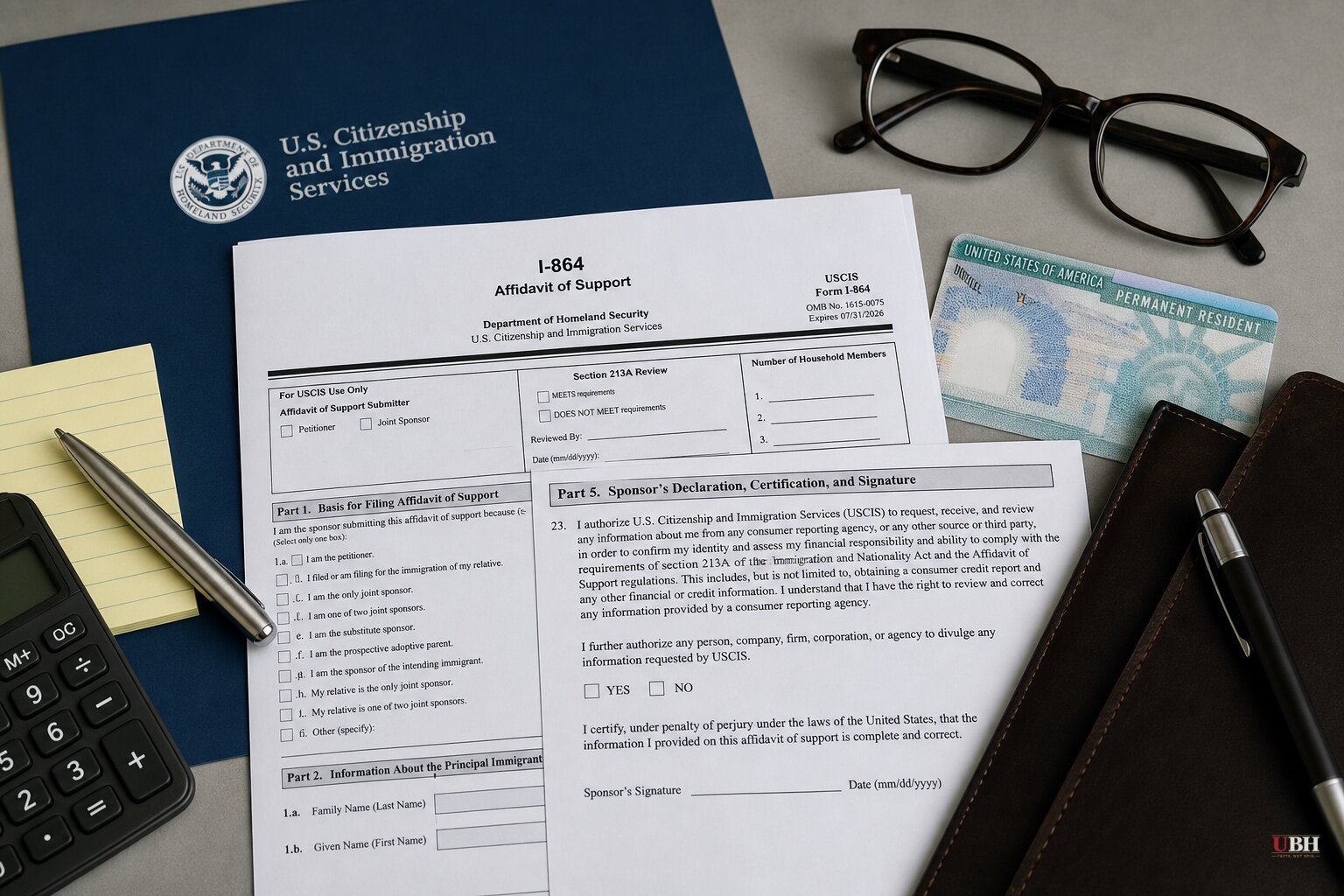
USCIS replaced Form I-864, the Affidavit of Support Under Section 213A of the Immigration and Nationality Act, on August 31, 2026. The new edition is dated 08/24/26. It swaps out the prior 10/17/24 version. There was no grace period. File the old form on or after August 31 and USCIS will not accept it, according to the agency's own instructions cited by VisaVerge and the American Immigration Lawyers Association (AILA).
Form I-864 is the document a U.S. citizen or green card holder signs when sponsoring a family member for permanent residency. It's a legally binding contract. The sponsor promises to financially support the immigrant, and the government can come after the sponsor if that immigrant ends up on public benefits.
The headline change: the new form includes a privacy release clause. It authorizes USCIS to request information about the sponsor directly from consumer reporting agencies, the credit bureaus. Immigration attorney Ana Gabriela Urizar of Manifest Law said: "USCIS can go straight to the credit bureaus to check your numbers, so sponsors should make sure their income and asset documentation actually matches what's on file before they sign."
What USCIS Hasn't Said
USCIS has not published a minimum credit score requirement. It has not said every sponsor will get a credit pull. It has not released a formula for how credit history, debts, or missed payments will factor into whether a sponsorship gets approved, according to rjimmigrationlaw and smartimmigrant, two immigration-law publications tracking the rollout.
On one hand, sponsors aren't automatically disqualified for a low score or a missed credit card payment, at least not based on anything USCIS has said publicly. On the other hand, nobody, including immigration lawyers, can tell sponsors exactly what the agency is looking for or how the data will be weighed. A sponsor who's already signed a binding affidavit is now also handing over authorization for a credit pull with no published standard for what counts as sufficient.
The Freeze Problem
USCIS added a specific warning for sponsors who've placed a credit or security freeze on their file, something millions of Americans do after a data breach or just as routine financial hygiene. If the agency can't access the information it needs because of a freeze, the sponsorship review could stall. USCIS's guidance says sponsors should respond "expeditiously" to any request to lift a freeze, a warning repeated verbatim across AILA's bulletin and VisaVerge's coverage.
Someone who did the responsible thing by freezing their credit now has an extra step to clear before their family member's green card case can move forward.
The Fiscal Case, and the Fair Objection
The argument for this change is that the Affidavit of Support exists so American taxpayers aren't left holding the bag when a sponsored immigrant needs public assistance. If USCIS can verify a sponsor's actual financial picture instead of just taking a tax return at face value, that's arguably closer to the point of the form in the first place. A sponsor who signs a binding 213A contract ought to expect some verification.
The fair objection is the rollout itself. Zero grace period on a government form used in tens of thousands of family cases is an unusually hard cutoff. Families who assembled complete packages in late August, with every signature and document in order, got bounced for using a form that was correct the week before. VisaVerge noted USCIS issued only a preview version ahead of the switch, giving lawyers and applicants little runway to adjust.
The Bigger Picture AP Is Pointing To
AP News has been tracking this as part of a wider pattern: the Trump administration extending immigration scrutiny beyond the southern border and into processes for people entering the country through entirely legal channels, including family sponsorship. The credit-check authorization does add a new layer of federal scrutiny to a legal immigration pathway. The underlying financial-sponsorship requirement isn't new. Sponsors have been contractually on the hook for immigrants' finances for decades. What's new is USCIS's direct pipeline into the credit bureaus to check the math.
What happens next is the open question. USCIS hasn't announced whether credit pulls will become routine for every case or remain selective, and immigration attorneys say they're advising clients to assume scrutiny either way. Anyone with a pending or upcoming filing should check the printed edition date on their Form I-864. It should read 08/24/26 before mailing anything to USCIS.
Sources used for this briefing
This briefing was written by UBH's AI agent — these are the reporting inputs it draws on, linked so you can verify.


