
Unbiased headlines. Facts, not spin.
Unbiased Headlines is an independently owned news organization. We bring you the facts, not opinions, written fresh from 110+ named sources. Sources linked so you can verify it yourself.
 sports
Low Interest (3/10)
sports
Low Interest (3/10)
USA Volleyball's National Teams Director Says LA28 Is the Sport's Make-Or-Break Moment
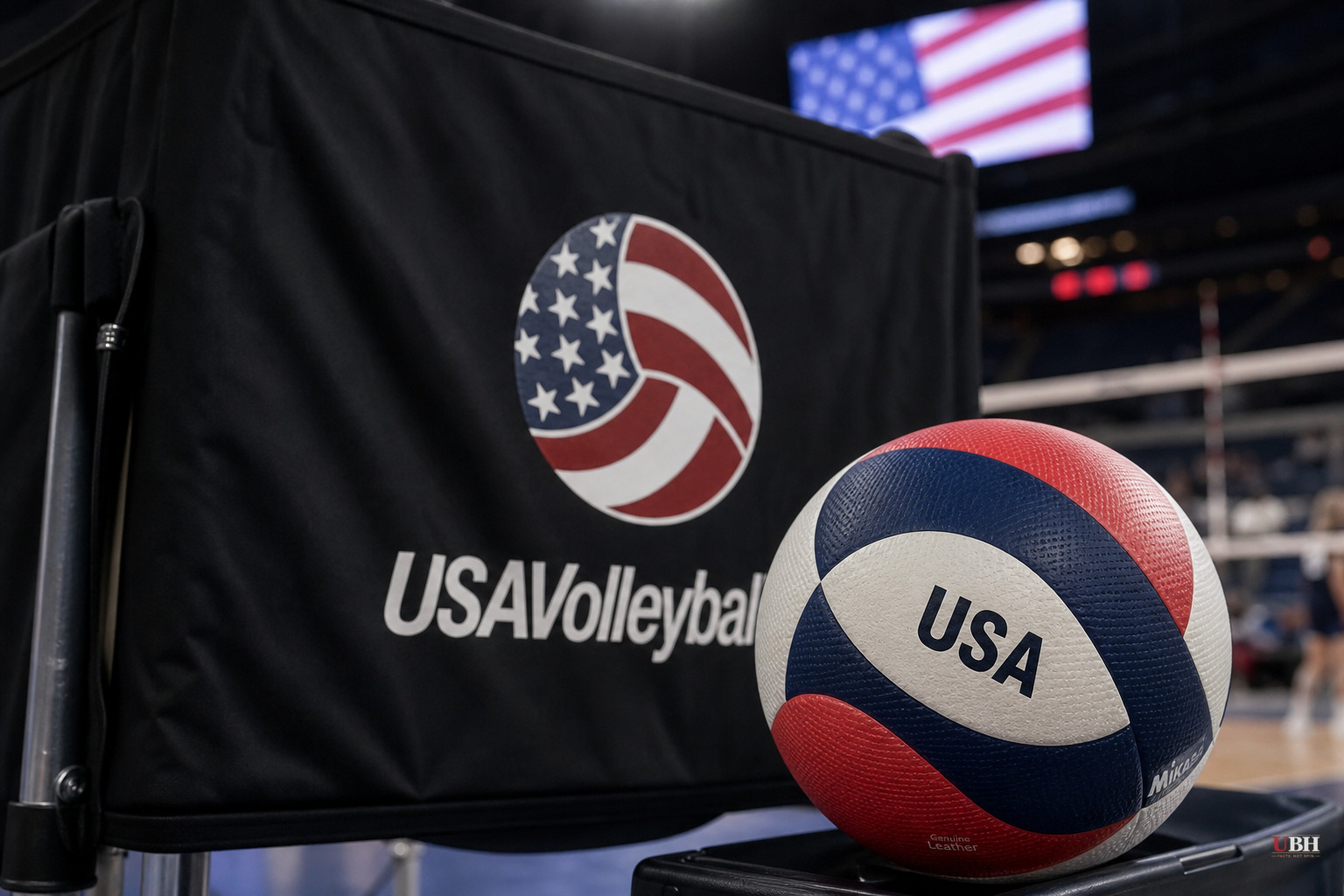
John Speraw isn't just coaching anymore. He's running a business case.
Speraw took over as USA Volleyball's Director of National Teams after the Paris Olympics, a new role that puts him in charge of men's and women's indoor volleyball, beach volleyball, and sitting volleyball all at once. In a July 10 interview with Forbes, published August 7 by contributor Tim Genske, Speraw laid out a two-part mission: win medals at the 2028 Los Angeles Olympics, and turn volleyball into a sport that doesn't need government funding and Olympic cycles to survive.
His pitch is simple. Women's volleyball is already America's largest girls' team sport by participation, according to Speraw. But the commercial machine around it—sponsorships, media rights, ticket revenue—hasn't caught up to that participation number. That gap, in his framing, is the opportunity.
Speraw pointed to the 2027 World Championships in Anaheim as a potential turning point, comparing it to what the 1999 Women's World Cup did for American soccer. That tournament turned Mia Hamm and Brandi Chastain into household names and helped launch a professional women's soccer league. Speraw wants volleyball's version of that moment, a showcase event on American soil that converts youth participation into mainstream fandom and, eventually, sponsor dollars.
He's also blunt about the cost problem in youth sports. Club volleyball, like club soccer and club basketball, has gotten expensive, and expensive youth sports quietly push out kids whose families can't pay travel-team fees. Speraw's stated goal is to widen access even as he tries to build a bigger commercial footprint, two goals that don't always pull in the same direction.
The money is already moving, just not through volleyball yet
While Speraw is making his case, institutional capital is already flowing into women's sports as a category. Research from Ariel Investments, cited by shoppeblack.us, estimates women's sports generated approximately $1.28 billion in global revenue in 2024, more than triple the figure from three years earlier. That's the kind of growth curve that gets a hedge fund's attention.
Project Level, a dedicated women's sports investment fund, announced a $250 million first close for a strategy aimed squarely at this space, according to shoppeblack.us. The fund isn't just buying stakes in franchises. It's targeting media companies, athlete development businesses, youth sports infrastructure, and other services that support the broader ecosystem, not just the teams themselves.
The NWSL is the proof point everyone in this conversation keeps citing. The 2025 NWSL Championship drew an average 1.184 million viewers, the league's most-watched title game ever, per shoppeblack.us. The postseason pulled a record 114,459 fans, and the championship generated the highest single-game ticket revenue in league history.
That's real, measurable growth in attendance, media rights value, and sponsorship interest, the exact three metrics institutional investors use to underwrite a bet. Soccer got there first. Speraw is betting volleyball can be next.
The gap between the pitch and the proof
Nothing in Speraw's Forbes interview or in the Ariel Investments research names a specific volleyball franchise, media rights deal, or sponsorship commitment on the scale of what NWSL has already delivered. Speraw is describing potential and timing, not a signed deal.
Building a commercial market takes years, and Speraw himself frames the 2027 Anaheim World Championships as the moment that still has to happen, not one that already has. The difference between a director expressing confidence in his sport's trajectory and a market that has already priced that trajectory in, the way it has started to with soccer, is material.
The bigger structural question is whether USA Volleyball, a national governing body that still relies heavily on Olympic cycles and USOPC funding, can build the kind of standalone commercial engine that a professional league like NWSL has. Soccer had Mia Hamm's Nike deal and a launched pro league within a year of the '99 World Cup. Volleyball doesn't yet have an equivalent flagship domestic pro league drawing NWSL-level attendance numbers.
The next real test comes in 2027, when Anaheim hosts the World Championships Speraw is counting on to be volleyball's breakout moment, with the Los Angeles Olympics following in 2028. Whether sponsors and broadcasters show up in the numbers Ariel Investments is already seeing in soccer will determine if Speraw's pitch was foresight or just optimism.
Sources used for this briefing
2 links from 2 independent newsrooms (syndicated copies of the same report count once)
These are the sources it draws on, linked so you can verify.


