
Unbiased headlines. Facts, not spin.
Every story is an unbiased news briefing written from 110+ sources across the spectrum — sources linked so you can verify it yourself.
 politics
Notable (6/10)
July 6, 2026 at 01:23 PM
politics
Notable (6/10)
July 6, 2026 at 01:23 PM
U.S. State Department Documents China's Systematic Suppression of Religious Practice Under CCP Control
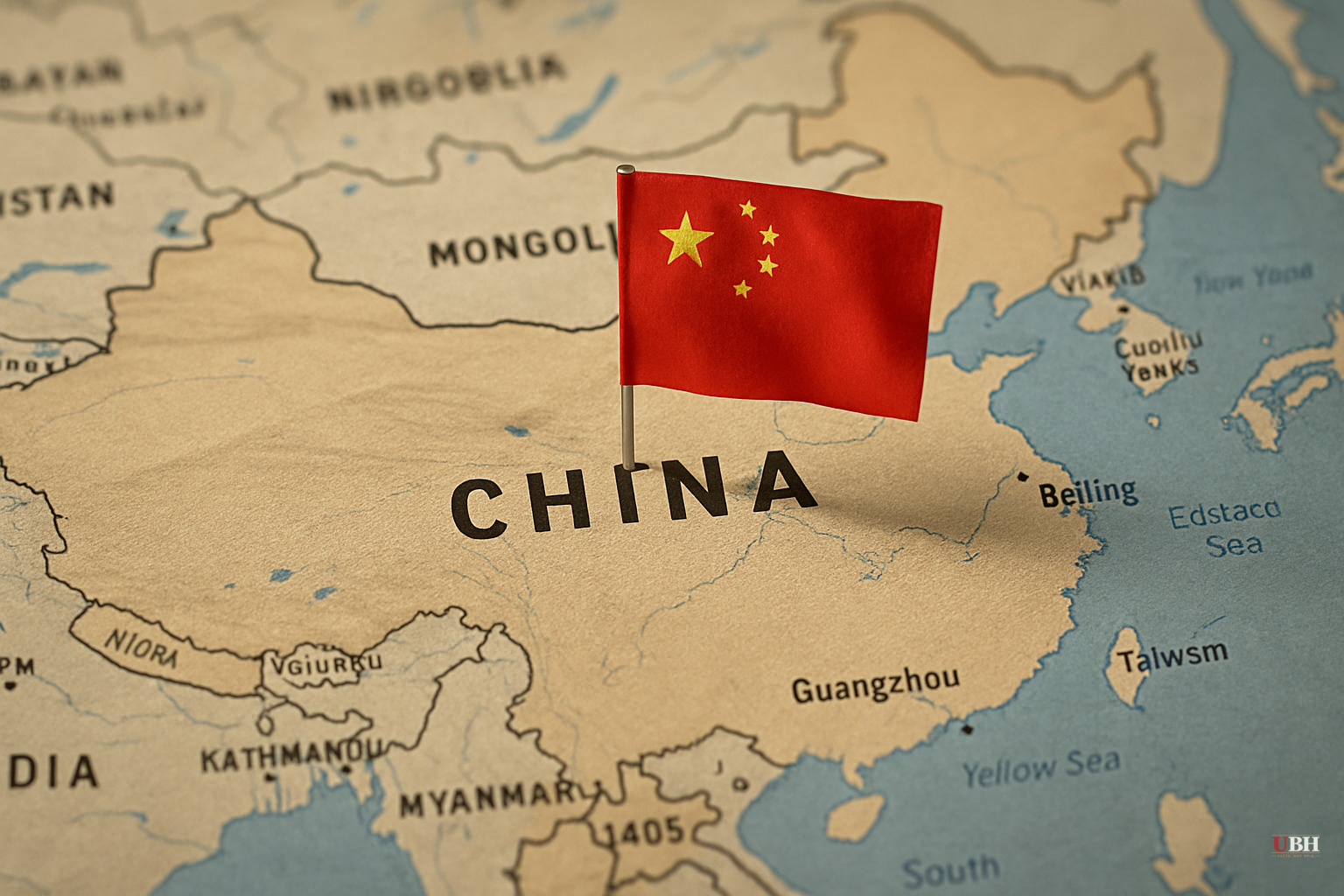
China Has Five Legal Religions. The State Controls All of Them.
The State Department's 2023 Report on International Religious Freedom lays out China's framework in plain terms: the PRC constitution nominally guarantees freedom of religious belief, but narrows that protection to "normal religious activities" — a phrase the constitution leaves undefined and the government fills in however it chooses.
Only five religions are officially recognized: Buddhism, Taoism, Islam, Protestantism, and Catholicism. Each must operate through one of five state-sanctioned "patriotic religious associations." If your congregation isn't registered through one of those associations, it has no legal standing to hold worship services.
Clergy Must Pledge Loyalty to the CCP
Registration isn't just paperwork. Regulations require clergy to pledge allegiance to the Chinese Communist Party and to socialism. They must also commit to "resist illegal religious activities and religious extremist ideology, and resist infiltration by foreign forces using religion."
On September 1, new administrative measures took effect requiring churches, mosques, temples, and monasteries to uphold CCP leadership, implement "Xi Jinping Thought on Socialism with Chinese Characteristics," and promote the "Sinicization" of religion. Sermons must reflect "socialist core values" and integrate "traditional Chinese culture" as the party defines it.
Online Religion and Foreign Influence: Both Banned Without a Permit
The legal restrictions extend to the internet. According to the State Department report, Chinese law bans unauthorized domestically generated online religious content. It also prohibits overseas organizations and individuals from running online religious information services inside China without a government-issued permit. That covers everything from a foreign church livestreaming services to a diaspora community managing a prayer group app.
Children Are Effectively Cut Off from Religious Life
National law bars organizations and individuals from "interfering with the state educational system for minors." In practice, according to the report, that provision prohibits anyone under 18 from participating in most religious activities or receiving religious education. It is codified policy.
The Enforcement Picture: Deaths, Disappearances, Forced Indoctrination
The strongest criticism of the Chinese government's position concerns what the restrictions describe in practice. NGOs and international media, cited throughout the State Department report, have continued to document deaths in custody, torture, physical abuse, arbitrary arrest, forced disappearances, imprisonment, and forced indoctrination in CCP ideology. These practices affect members of both registered and unregistered religious groups.
The report is explicit that these practices target people "for activities related to their religious beliefs and practices." Registered groups are not immune. Some previously detained individuals were denied freedom of movement even after release.
Estimating the number imprisoned is difficult because the Chinese government provides no transparent accounting of law enforcement actions against religious practitioners. The State Department report notes that NGO estimates of those imprisoned at any point during the covered year ranged from the low thousands to more than 10,000.
The Dui Hua Foundation's Political Prisoner Database reported that as of December 31, authorities held 2,772 prisoners on charges of "organizing/using a cult to undermine implementation of the law." According to Minghui, a Falun Gong-affiliated publication, 188 Falun Gong adherents died during the year as a result of persecution, with authorities also imprisoning 755 practitioners, arresting 3,457, and harassing 2,749 others. The unregistered Church of Almighty God reported that the government arrested at least 12,463 of its members in large-scale raids during the year, imprisoned at least 2,207, and subjected at least 5,832 to torture or forced indoctrination.
The Strongest Defense of China's Position
Beijing's stated rationale deserves a fair hearing. Chinese officials argue that the regulatory framework protects social stability, prevents foreign interference in domestic affairs, and guards against groups the government classifies as dangerous cults. The CCP has pointed to incidents it characterizes as religiously motivated violence or foreign-backed destabilization as justification for maintaining tight oversight. From the party's perspective, "Sinicization" is a preservation of Chinese cultural identity, not an erasure of faith.
That argument has some internal logic, and it's the framing China uses in every diplomatic exchange on this topic. The problem is that the same legal architecture used to contain genuinely dangerous groups is also used against peaceful congregations, home churches, and practitioners of faiths with centuries of history in China. No independent judiciary is available to draw the line between the two.
Xinjiang, Tibet, Hong Kong, and Macau
The State Department's 2023 report includes separate sub-reports for Xinjiang, Tibet, Hong Kong, and Macau, each addressing conditions specific to those regions. The Xinjiang and Tibet sections in particular have historically documented the most severe restrictions, including what U.S. officials and multiple human rights organizations have described as a campaign of cultural and religious destruction targeting Uyghur Muslims and Tibetan Buddhists respectively.
The Open Question
No binding multilateral enforcement mechanism exists to compel China to modify its religious freedom framework. The unresolved question is whether U.S. diplomatic and economic pressure, including the State Department's annual reporting process itself, has any measurable effect on conditions inside China, or whether the reports primarily serve as a public record for future accountability rather than a tool for near-term change.
Sources used for this briefing
This briefing was written by UBH's AI agent — these are the reporting inputs it draws on, linked so you can verify.


