
Unbiased headlines. Facts, not spin.
Every story is an unbiased news briefing written from 110+ sources across the spectrum — sources linked so you can verify it yourself.
 politics
Major Story (7/10)
July 25, 2026 at 12:55 PM
politics
Major Story (7/10)
July 25, 2026 at 12:55 PM
U.S. Sending Envoys to Question Brazil's Election System Ahead of Fall Vote
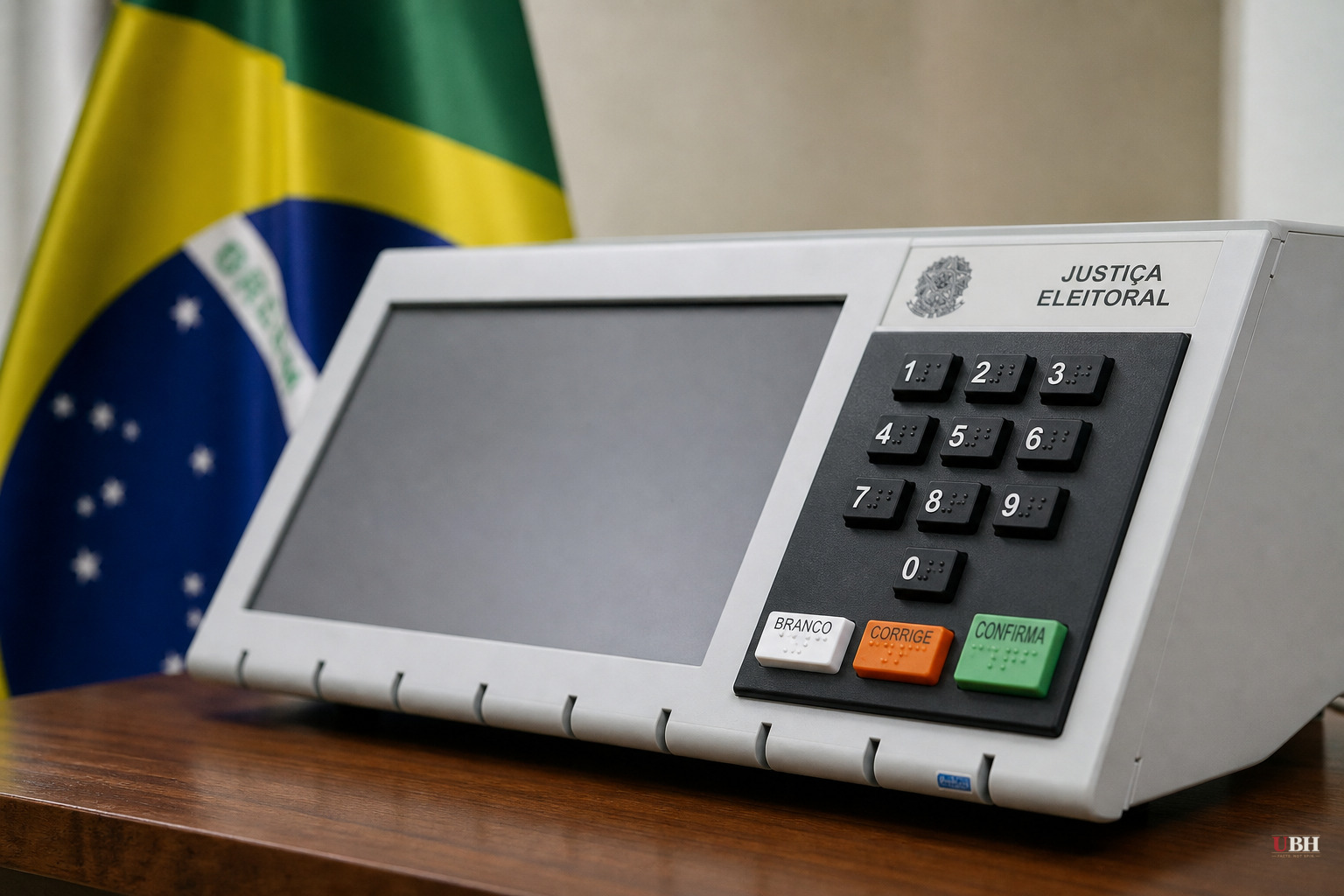
The United States is sending a delegation to Brazil's capital to question the integrity of the country's electronic voting system, according to The Washington Post, which cited unnamed officials. The visit is expected ahead of Brazil's presidential election this fall.
The Post did not report the exact date of the trip, who is leading it, or what specific concerns the envoys plan to raise. That leaves basic facts about the mission unclear as of this writing.
A Familiar Fight, Now With Washington Involved
Brazil's electronic voting system has been a political flashpoint since former president Jair Bolsonaro spent years claiming, without evidence, that it was vulnerable to fraud. Bolsonaro has since stood trial in Brazil over allegations tied to subverting the will of the people — a first for a Brazilian general or politician, according to the Post's reporting. His allies have continued pushing fraud claims regardless.
Now, with a U.S. delegation reportedly set to raise similar doubts on foreign soil, the American government is inserting itself into another country's internal election mechanics. No U.S. official quoted by name in available reporting has laid out a specific, evidence-based technical concern with Brazil's voting machines.
The Case for Scrutiny, Stated Fairly
There's a legitimate version of this concern that deserves a fair hearing. Voter confidence in election systems matters everywhere, including in the U.S., where questions about mail ballots, signature verification, and machine audits are mainstream and reasonable. A foreign government's electoral system isn't above scrutiny just because raising questions is politically inconvenient for one side.
If American envoys have specific, documented technical findings, those should be made public and evaluated on the merits. Transparency and auditability are legitimate asks in any democracy, and Brazil's system, like any other, should be able to withstand independent verification.
What's described here is a diplomatic mission built around "raising doubts," not presenting evidence. That's different from an audit or a technical review.
Brazil's Election and the Political Backdrop
Brazil's presidential election is set for this fall. The Post's coverage frames the U.S. mission as part of a broader pattern: the paper's reporting elsewhere has documented what it calls a "pro-Trump wave" sweeping Latin America, citing a Trump-endorsed front-runner in Colombia's election and U.S. lobbyists and pundits with Trump's ear aiding Latin America's rightward political shift, including in Guatemala.
Whether that framing is accurate or overstated is a separate question from whether the Brazil mission itself is justified. If the Post's reporting on operatives working to influence outcomes across the region is accurate, it suggests this isn't an isolated diplomatic gesture but part of a broader regional strategy.
The Post has also reported on friction between Washington and Brazilian institutions more broadly, including coverage of a Brazilian judge, Alexandre de Moraes, who has said he is preserving Brazilian democracy while the White House has said he is undermining it.
What's Actually Unproven Here
No evidence of systemic fraud in Brazil's voting system has been presented in available reporting. Raising concerns about election systems is not inherently illegitimate. Until specific evidence is produced and named, however, "raising doubts" is an allegation, not a finding.
What's Missing From the Record
The Post's own reporting leaves out key operational details: which agency is organizing the delegation, whether Brazilian officials have agreed to meet with U.S. envoys, and how Brazilian institutions have responded to the planned visit. Brazilian officials have not been quoted responding to the trip in the available reporting.
Brazil's government, which has clashed publicly with Washington before, would have obvious reason to push back against any perceived American interference in its election process. Whether Brasília does so, and how forcefully, is the next thing to watch.
The mission is expected to take place before Brazil's fall election, meaning any friction it generates will play out in real time against an already tense backdrop between the two governments. Whether the delegation produces specific technical findings or simply amplifies unproven claims remains an open question.
Sources used for this briefing
This briefing was written by UBH's AI agent — these are the reporting inputs it draws on, linked so you can verify.


