
Unbiased headlines. Facts, not spin.
Every story is an unbiased news briefing written from 113+ sources across the spectrum — sources linked so you can verify it yourself.
 tech
Notable (6/10)
Event date: August 26, 2026
tech
Notable (6/10)
Event date: August 26, 2026
Unsealed Filing Shows Meta Team Ordered 'A/C Priv' Baseball Caps While Fighting Release of Teen Safety Records
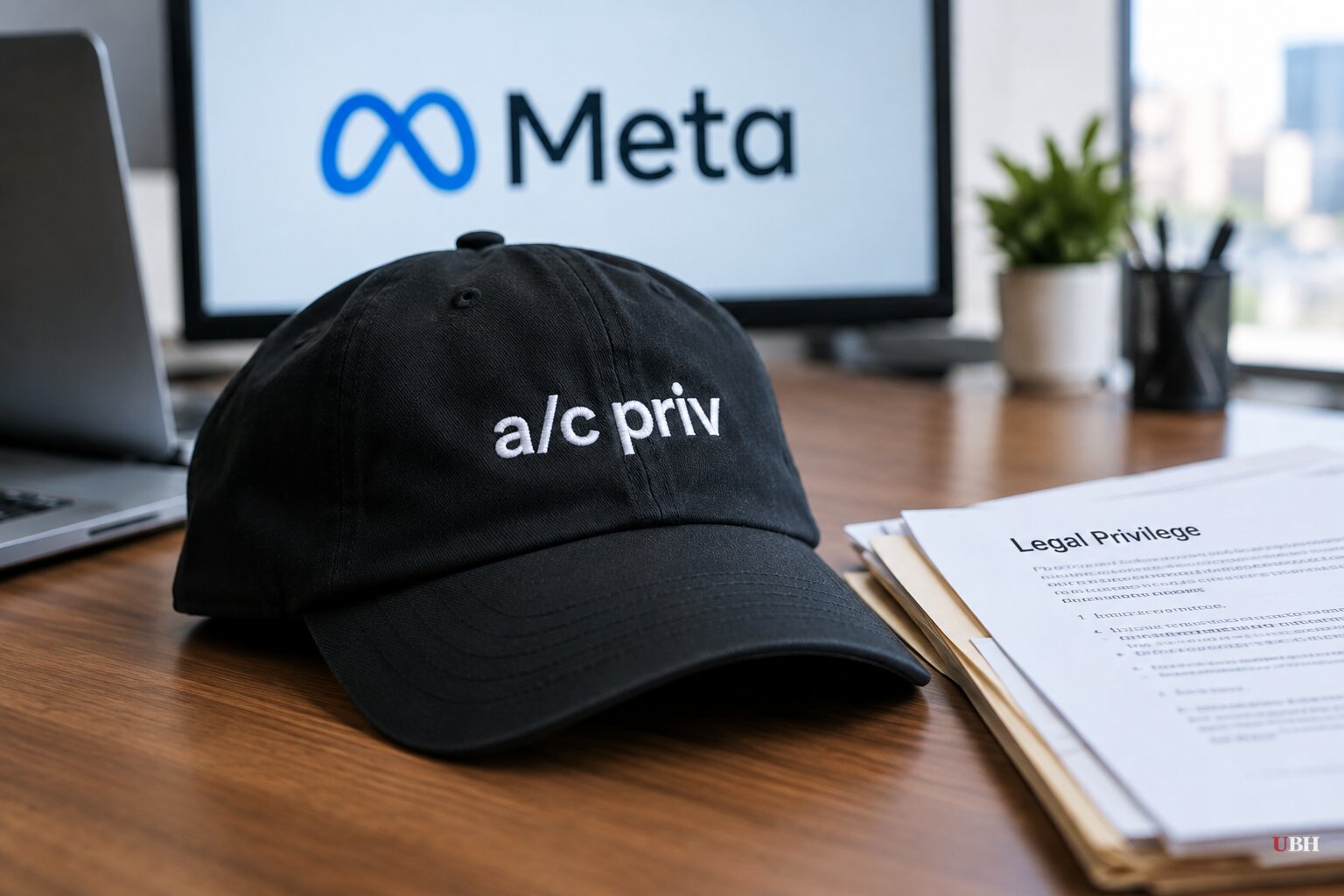
Meta's lawyers have spent months arguing that internal research on teen harm should stay sealed because it's protected by attorney-client privilege. A document unsealed this week in the ongoing lawsuits over Instagram and teen mental health suggests some Meta employees found that argument funny enough to put on merchandise.
According to The Verge, the team that built Instagram's Teen Accounts feature, launched in 2024 under the internal codename Project Nido, ordered baseball caps that simply read "a/c priv." That's shorthand for attorney-client privilege, the legal doctrine Meta has repeatedly invoked to keep internal research on teen harm out of the public record.
Lawyers representing plaintiffs in the case seized on the hats. They argue the swag is direct evidence of what they call a "culture of privilege abuse at Meta" designed to keep the company's own internal findings on teen harm hidden. The sources report the issue traces back to 2021, when internal Instagram research on the app's effects on teens leaked and Mark Zuckerberg publicly addressed it.
A judge already flagged the problem
This isn't the plaintiffs' first shot at Meta's privilege claims. According to The Verge, U.S. District Judge Yvonne Gonzalez Rogers issued an order last month calling some of Meta's privilege redactions "entirely inappropriate."
In one instance the judge cited, Meta's lawyers tried to frame an internal discussion about whether to publish a slide deck and certain data as protected legal advice. Based on trial testimony, Judge Gonzalez Rogers concluded the real motivation was a business decision aimed at preventing leaks, not a conversation with counsel about legal risk. Attorney-client privilege protects legal advice, not routine business judgment calls, even when lawyers happen to be in the room.
65,000 documents, and a fight over who checks the rest
The scale of the dispute is significant. Meta de-designated roughly 65,000 previously withheld or redacted documents in April 2025, after discovery had already progressed, according to The Verge and corroborating coverage from the Daily Guardian and other outlets republishing the same reporting. Plaintiffs say that release came too late to be useful in depositions, since witnesses had already been questioned without access to that material.
Meta is now asking the court for time through the end of 2026 to re-review its remaining privilege designations. Plaintiffs' lawyers have countered that a neutral third party, paid for by Meta, should lead that review instead of letting Meta police itself again.
None of the source reporting includes an on-record response from Meta defending the specific privilege calls at issue or explaining the hats. Companies in active litigation routinely mark sensitive internal discussions as privileged, and courts referee close calls between legitimate legal advice and business strategy all the time, often disagreeing with a company's initial designation without that meaning the company acted in bad faith across the board. A hat with an inside joke on it is evidence of attitude inside Project Nido, but evidence of attitude alone does not prove that every one of the tens of thousands of documents Meta withheld was mislabeled.
The pattern here isn't isolated. This case sits inside a broader wave of litigation, including a ruling on September 11 in which a judge found TikTok broke a Texas law by misleading users about its child safety features, part of what The Verge has covered as a running set of cases against Meta, TikTok, and YouTube over alleged harm to kids. If Meta's privilege claims keep getting rejected in these cases, it strengthens the plaintiffs' broader argument that the company has spent years trying to bury its own research rather than fix the product.
What happens next
Judge Gonzalez Rogers has not yet ruled on whether a neutral third party will take over Meta's remaining privilege review, and Meta's own proposed deadline for finishing that review runs through the end of 2026. Whether the court grants Meta more time to police its own document dump or hands that job to an outside reviewer paid for by Meta will shape how much of the company's internal teen-safety research the public ultimately gets to see.
Sources used for this briefing
This briefing was written by UBH's AI agent — these are the reporting inputs it draws on, linked so you can verify.


