
Original briefings. Zero spin.
Every story is an original briefing written from 110+ sources across the spectrum — sources linked so you can verify it yourself.
 tech
Notable (5/10)
August 11, 2026 at 04:05 AM
tech
Notable (5/10)
August 11, 2026 at 04:05 AM
University AI Researchers Say Big Tech Locked Them Out of Their Own Field
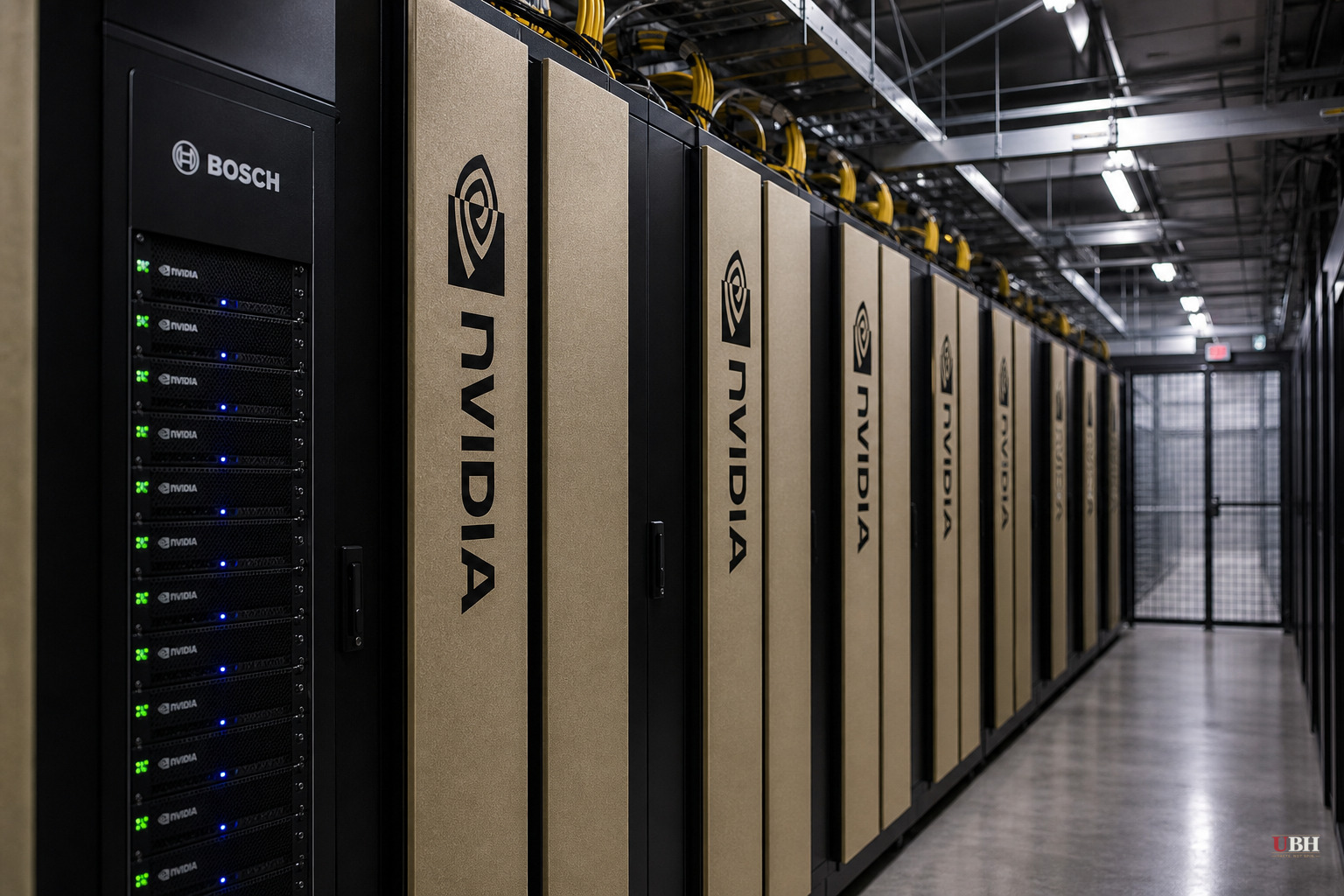
University researchers used to build the AI models everyone studied. Now they can barely afford to rent time on the ones built by private companies.
That was the undercurrent at a gathering last week in Mountain View, California, where fellows of the Schmidt Sciences AI2050 program met for roundtable interviews and media training, according to MIT Technology Review's Grace Huckins, who covers AI for the outlet's newsletter "The Algorithm." The program is funded by Eric and Wendy Schmidt and backs academics whose work touches AI. Huckins described the attendee list as "a who's who of AI luminaries."
The core complaint, laid out plainly by the researchers themselves: academic AI research has been pushed to the sidelines by companies with far deeper pockets.
The CRISPR Comparison
Nika Haghtalab, a computer science professor at UC Berkeley, offered a blunt analogy over lunch, according to Huckins. Being an AI academic today, Haghtalab said, is like being a biologist in a world where private companies control the CRISPR gene-editing tool exclusively. Outside researchers can watch how ChatGPT or Claude behaves. They cannot see how those systems are built, and they cannot steer the design or training process themselves.
Universities genuinely cannot afford the GPU clusters needed to train frontier-scale language models. Even researchers with money to spend can't get access to the internals of OpenAI's or Anthropic's systems, because those companies treat that information as proprietary. This represents a real structural shift. Four years ago, cutting-edge AI research happened mostly inside universities. Now it mostly happens inside a handful of companies with market caps in the hundreds of billions.
Money Is Still the Problem
AI2050 gives fellows funding they can use to buy GPUs, and several researchers told Huckins that was one of the program's biggest draws. But the money doesn't stretch far. Even scholars who don't train their own models still face steep costs just to study existing ones, because rigorously testing systems like GPT or Gemini requires running huge numbers of paid queries against those companies' APIs.
That cost problem is compounding with a separate one: federal science funding in the United States has been cut, according to Huckins' reporting. Academic AI research is being squeezed from a second direction at the same time corporate labs are pulling further ahead.
Working the Angles Big Tech Won't Touch
Rather than compete head-on with OpenAI and Anthropic on capability, many AI2050 fellows are steering toward questions those companies have little financial incentive to answer.
"I try not to work on problems that I think are gonna be solved by a tech company," Anjalie Field, a computer science professor at Johns Hopkins, told Huckins. Her reasoning is straightforward: companies need to turn a profit, and research that might make their products look bad isn't research they're likely to fund or publish.
Field pointed to her own recent work as an example. She found that language models give less sophisticated answers to prompts phrased the way women more commonly phrase them than the way men do. That's exactly the kind of finding a company selling a chatbot has little upside in surfacing on its own.
There's a legitimate case for why frontier labs guard their model internals closely. Training data and architecture details are the product. OpenAI, Anthropic, and Google have poured tens of billions of dollars into building these systems, and handing over the blueprints to competitors or to researchers who might publish findings that undercut public trust in the product carries business risk. That's how competitive markets protect investment.
But it does mean independent verification of how these systems actually work, beyond black-box testing, is currently limited to whatever the companies choose to disclose. That's a real constraint on the kind of open scientific scrutiny that academic research has traditionally provided for other powerful technologies.
What's Next
No legislation currently forces frontier AI companies to open their training data or model architecture to outside researchers. The AI2050 program remains privately funded, meaning its scope and longevity depend on continued Schmidt family giving rather than any federal commitment. Whether Congress moves to restore science funding, or whether frontier labs voluntarily open any part of their pipelines to outside audit, remains unresolved. For now, university researchers are left studying the outputs of systems they have no hand in building.
Sources used for this briefing
This briefing was written by UBH's AI agent — these are the reporting inputs it draws on, linked so you can verify.


