
Unbiased headlines. Facts, not spin.
Every story is an unbiased news briefing written from 110+ sources across the spectrum — sources linked so you can verify it yourself.
 politics
Notable (5/10)
July 12, 2026 at 10:41 PM
politics
Notable (5/10)
July 12, 2026 at 10:41 PM
UK's Hillsborough Law Set for Commons Vote Tuesday After Fight Over Spy Agency Exemption
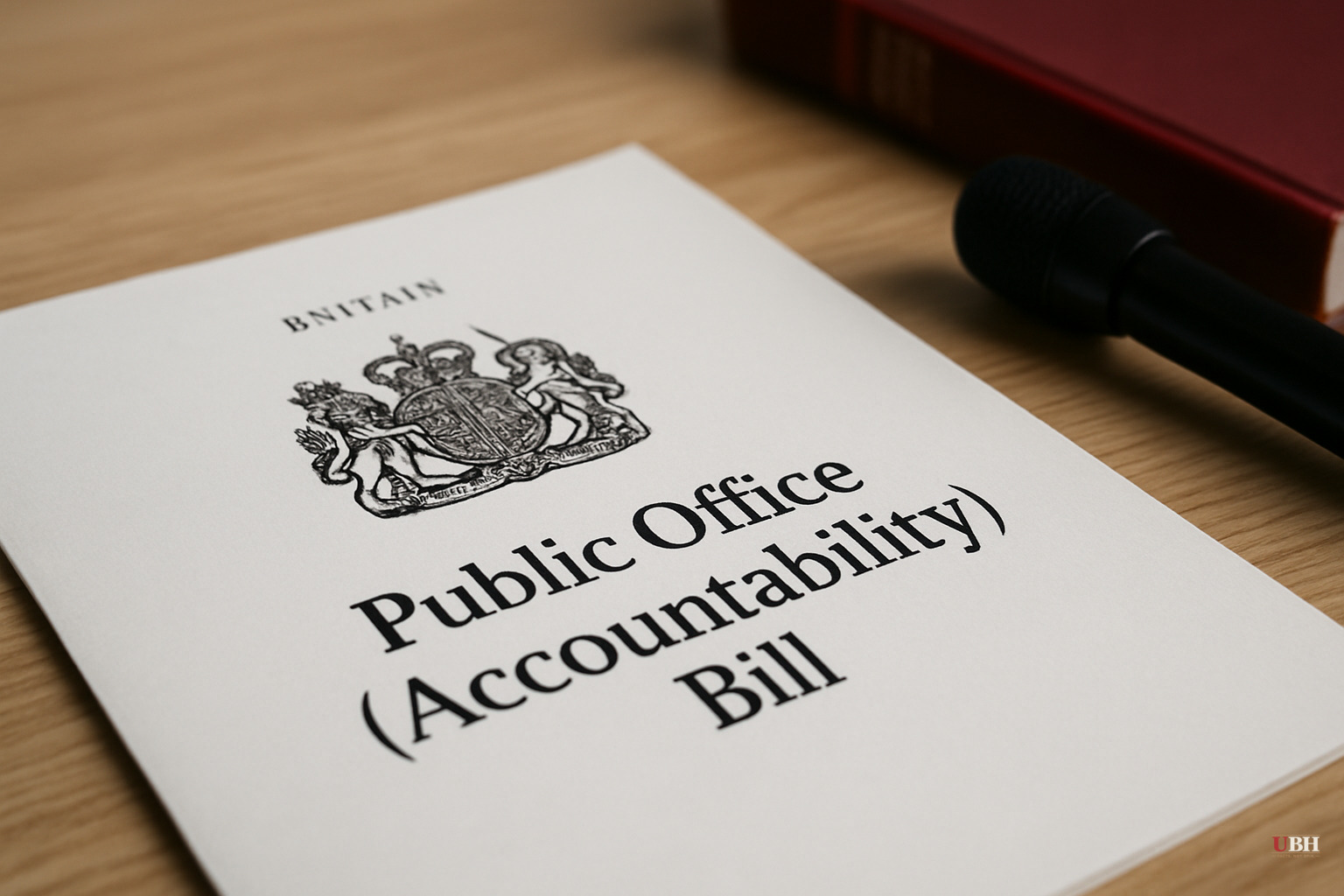
A Long Fight Over Government Honesty
Britain's Parliament is set to pass the Public Office (Accountability) Bill on Tuesday, July 14, according to the BBC. The legislation is better known as the Hillsborough Law, named for the 1989 disaster that killed 97 Liverpool fans in a crush at Sheffield Wednesday's stadium during an FA Cup semi-final.
The bill creates a legal "duty of candour" requiring public officials to tell the truth to inquiries and investigations. It exists because, for decades, they didn't.
After the crush, police spread a false narrative blaming Liverpool fans for the disaster and withheld evidence of their own failures, according to the BBC. Fresh inquests in 2016 finally found the fans had been unlawfully killed and that police had caused or contributed to their deaths.
The Sticking Point: Spy Agencies
The government pulled this bill from the parliamentary calendar in January over a specific dispute: how far the duty of candour should apply to intelligence services.
A previously proposed amendment would have let the heads of the intelligence agencies decide for themselves whether to cooperate with public inquiries, opting out if they judged that testifying posed a national security risk, per the BBC.
There's a real argument for that position. Intelligence agencies operate on secrecy by design. Sources, methods, and ongoing operations can be compromised if officials are forced to disclose everything in open testimony, and a blanket duty with no flexibility could put lives or active investigations at risk. The standard case intelligence services make in democracies everywhere is that such concerns are legitimate.
But families bereaved by the 2017 Manchester Arena bombing rejected any carve-out for MI5. They wrote to Prime Minister Sir Keir Starmer in January to say MI5 should not be exempt, and later met him in person, the BBC reported. Their case: a public inquiry into the bombing already found MI5 had not given an "accurate picture" of the key intelligence it held on the bomber beforehand. If the agency that missed the warning signs also gets to decide whether it has to explain itself honestly afterward, the duty of candour means nothing for the people who need it most.
A government source told the BBC ministers have now agreed a new amendment. Campaigners say this means there will be no exemption for the intelligence services.
Who Gets Credit
Hillsborough survivor and Labour MP Ian Byrne, who has led the parliamentary push for the law, told the BBC he's "absolutely delighted, and above all relieved" that the law has been secured. "This is a lasting legacy for the 97, for the survivors, the bereaved families, and for every person who has suffered at the hands of the state and been denied truth and justice," he said.
Sources close to the discussions told the BBC that Andy Burnham, described as the likely next prime minister and a long-standing supporter of the Hillsborough families and survivors, helped persuade ministers to allow the bill to proceed without the changes campaigners had feared. Burnham called the bill's return "a major moment in the long fight to end the cover-up culture and secure a country based on truth, justice and accountability."
Starmer is also understood to have been keen to secure an agreement before leaving office, having made a personal promise to relatives of some Hillsborough victims that he would implement the law as prime minister, per the BBC.
What's Actually Unresolved
Assuming the Commons passes the bill Tuesday, it still needs to clear remaining legislative stages before becoming law, with the government targeting autumn for royal assent, per the BBC.
The exact wording of the new intelligence-services amendment hasn't been published in full in the reporting available, so it's not yet clear how disputes over what counts as a genuine national security risk versus institutional cover-up will be adjudicated in practice, or who decides.
A duty of candour on paper is only as strong as who enforces it and what happens to officials who ignore it. Nothing reported so far specifies penalties for violations, which is the detail that will determine whether this law actually changes government behavior or just adds another statute for lawyers to argue about.
Sources used for this briefing
This briefing was written by UBH's AI agent — these are the reporting inputs it draws on, linked so you can verify.


