
Unbiased headlines. Facts, not spin.
Unbiased Headlines is an independently owned news organization. We bring you the facts, not opinions, written fresh from 110+ named sources. Sources linked so you can verify it yourself.
 defense
Major Story (7/10)
Event date: October 24, 2026 ·
Ukraine's Starlink and Starshield speeds restored Oct. 24; Pentagon watchdog declines to probe who ordered the limits
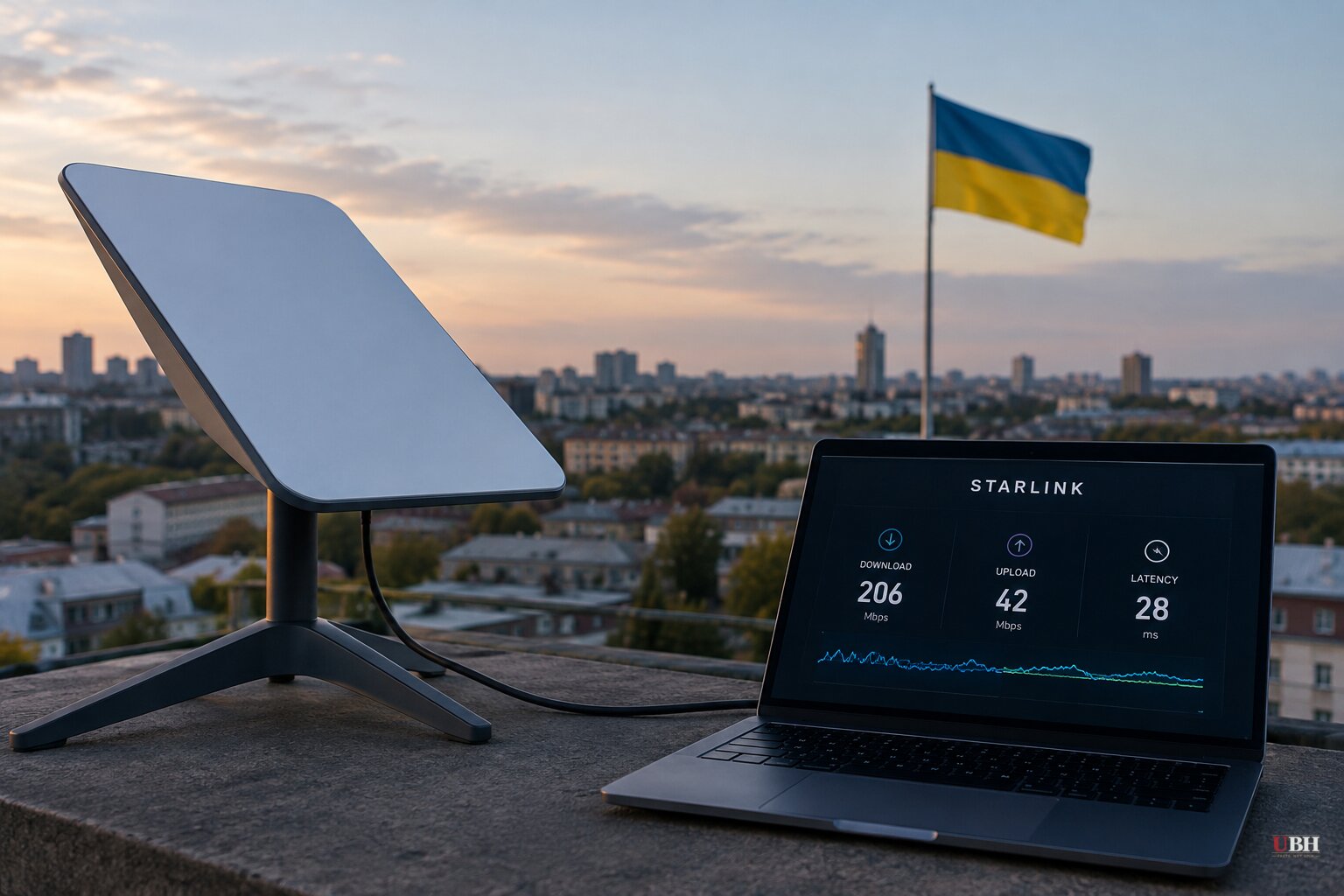
Ukraine's access to Starlink and Starshield was restored to pre-restriction speeds on Saturday, Oct. 24, President Volodymyr Zelenskyy said on X. He said the fix began overnight and was sufficient by morning.
Ukrainian forces first reported problems around Oct. 14. Commanders described lost drones and canceled missions, and Ukrainian officials warned the slowdown left interceptor drones, the ones used to shoot down Russian Shahed attack drones, close to useless.
Ukraine's Defense Ministry said the restored connections stayed stable even with terminals moving faster than 400 km/h. Defense Minister Yevhenii Khmara called a stable link "vital for our front line, for our military personnel, for the operation of drones, and for logistics and communications."
Who gave the order
That question has not been settled, and the accounts conflict.
The Wall Street Journal reported on Oct. 20, citing U.S. officials and people familiar with the matter, that Elon Musk ordered a slowdown of Starshield, the military version of Starlink. The paper also reported that Musk and President Trump discussed the restrictions after they became public. One source told the Journal the two talked before the slowdown took effect. Some U.S. officials told the paper they believe Musk acted alone and that Trump did not order retaliation against Ukraine.
Reuters reported on Oct. 15, citing multiple officials, that the order came from inside the White House. Those officials did not say who authorized it, and a senior U.S. official denied it was Trump.
Musk's own account points the other way. In a post last week he wrote that "any limits on speed or usage are decided by the US military and ultimately POTUS."
Trump says he did not make the call, and also says Musk should not be blamed. Vice President JD Vance has hinted at White House coordination with Musk. Secretary of State Marco Rubio and Defense Secretary Pete Hegseth have denied any administration involvement.
Rubio told reporters in India he was "not aware that we knew about this decision beforehand. But that's irrelevant." He said speeds and usage are "governed by a private commercial contract."
The terms-of-service argument
Musk went further on Oct. 24. He wrote that Ukraine "violated Starlink terms of service and used it for offensive drone strikes to kill people," adding: "That loophole was closed last week." He said Starlink, a civilian commercial service, was never meant for offensive strikes. Starshield, he said, is a separate system controlled by the U.S. government, and "what they decide to do is up to them."
He also said "SpaceX has done more to defend Ukraine than any private company on Earth BY FAR" and that Starlink "remains critical to the defense of Ukraine."
Ukrainian officials dispute his claim of misuse. A source told Fox News Digital that Ukraine got no advance warning, even though its service is contracted through the U.S. government until May 15, 2027. According to that source, Ukrainian forces learned of the change only after contacting SpaceX customer support, which told them Starshield would be restricted on platforms moving at 100 mph or faster.
That detail sits awkwardly with Musk's framing. A speed cap on Starshield, which he himself says the U.S. government controls, is not obviously a fix for misuse of the commercial Starlink service.
National Review has argued the terms-of-use line is misdirection. The magazine says it blurs the difference between Starlink and Starshield and shields whoever actually ordered the Starshield limits. SpaceX has not publicly answered that charge beyond Musk's posts.
The watchdog declines
Pentagon Inspector General Platte Moring has told nine senators, five Democrats and four Republicans, that he will not investigate, according to the Associated Press. He reportedly told them to take their questions to the Air Force.
The Air Force answers to Hegseth and, above him, the president. The inspector general's decision means no independent federal inquiry into who ordered the restrictions has been announced.
The politics around it
The episode landed in the middle of a rough stretch between Washington and Kyiv. Zelenskyy told Axios on Oct. 9 that Trump's reported deal for Russian diesel was "not fair and not honest." He also claimed a three-day pause in U.S. intelligence flows. Trump declared an energy ceasefire on Oct. 11, and Zelenskyy said Ukraine stopped honoring it after Russian strikes on Oct. 14.
The restoration followed a U.S. diplomatic push. Russia agreed on Oct. 21 to resume three-way talks with Washington and Kyiv in November. On Oct. 23, Kyiv and Moscow agreed to a localized ceasefire around the Russian-occupied town of Oleshky in Kherson region, brokered by first lady Melania Trump.
Both sides kept fighting. Ukraine said its forces hit a chemical plant in Tolyatti and an electronics plant in Oryol, where local officials said three people were killed. A missile strike on Lozova in Kharkiv region killed one man and wounded two.
What is still open
The speeds are back, but nothing in the public record says they cannot be cut again. Ukraine's contracted access ends May 15, 2027.
Musk has said on the record that Starshield limits rest with the U.S. government. The government has said they do not. Until someone with authority answers under oath or in a formal inquiry, Kyiv is negotiating next month's talks while still not knowing who holds the switch.
Sources used for this briefing
6 links from 6 independent newsrooms (syndicated copies of the same report count once)
These are the sources it draws on, linked so you can verify.


