
Unbiased headlines. Facts, not spin.
Unbiased Headlines is an independently owned news organization. We bring you the facts, not opinions, written fresh from 110+ named sources. Sources linked so you can verify it yourself.
 defense
Major Story (7/10)
Event date: October 23, 2026 ·
Ukraine has paused refinery strikes until after Nov. 3 midterms, Wall Street Journal reports, citing military sources
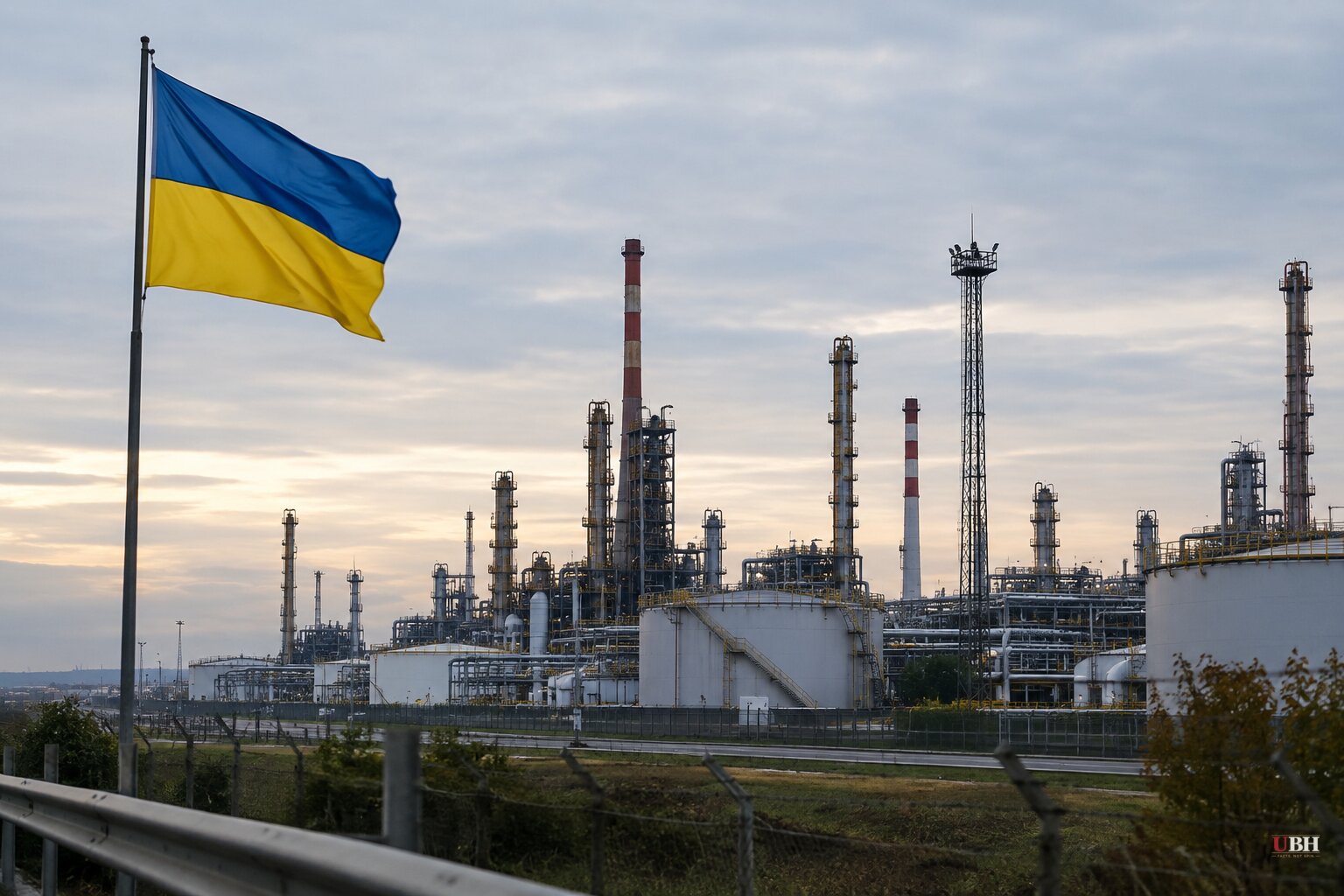
Ukraine has quietly stopped its drone campaign against Russian oil refineries, according to a Wall Street Journal report published Thursday, Oct. 29. The paper cited people with knowledge of the operations.
The unofficial pause began early last week and is expected to last at least until the U.S. midterm elections on Tuesday, Nov. 3, and possibly further into November. Two military officials told the Journal that long-range strike units were told in mid-October the refinery campaign was effectively on hold once missions already under way were finished.
Kyiv has not announced any halt.
What Zelensky says
President Volodymyr Zelensky said this week that Ukrainian forces had been more cautious recently but had not been ordered to stop hitting refineries. He said drone units were striking other targets inside Russia.
The last reported attack on Russian oil infrastructure was Oct. 20, on a pumping station on the Druzhba pipeline.
The Journal reported that President Trump has pressed Kyiv to stop, blaming the strikes for high global fuel prices. The paper said energy experts mostly attribute those prices to the U.S.-Iran war and disruption to Gulf shipping. A U.S. envoy repeated the demand at a meeting with Zelensky in Oslo on Oct. 20, according to U.S. officials cited in the report. Republican candidates worry fuel costs could hurt them at the polls, the Journal said.
The diesel deal and the "energy ceasefire"
The pressure follows a deal Trump announced on Truth Social on Oct. 9 after a call with Vladimir Putin. Trump said more than 300,000 tons of Russian diesel would ship immediately, another 500,000 tons in November and a million tons in December, to make up for supply lost to the wars in Ukraine and Iran.
Two days later, on Oct. 11, Trump declared an "energy ceasefire" between Russia and Ukraine. "Both parties have agreed. Do not break it!" he wrote.
Moscow never confirmed it. A White House official told Axios the proposal initially covered refineries only, with power plants and electricity grids possibly to follow, and acknowledged Russia had not agreed. As of Oct. 13, no detailed terms had been made public.
Zelensky told Fox News on Oct. 12 that Ukraine had held its fire overnight but Russia had hit Ukrainian gas infrastructure. "The communication from Russia was very clear that they don't know anything about energy ceasefire," he said.
Russia's side of it differs. Kremlin spokesman Dmitry Peskov said Ukraine never stopped striking refineries. Foreign Minister Sergey Lavrov called the strikes a "direct and crude challenge to President Trump."
A truce that lasted days
Zelensky told the Financial Times that Ukraine halted refinery attacks for three days after Trump's announcement. When Russian strikes on Ukrainian energy sites continued, he said: "We're done."
Ukrainian drones then hit a refinery in Russia's Ryazan region early Thursday, Oct. 15. Russia's Defense Ministry and Gov. Pavel Malkov confirmed the fire, and a senior Ukrainian official, speaking anonymously, confirmed Ukraine was responsible.
Zelensky also told the FT that U.S. counterparts warned Ukrainian military officials: "if you will not stop [the energy strikes], we will block intelligence." He called the withdrawal of intelligence sharing "dangerous." He told Piers Morgan he felt betrayed by Trump, saying "Our country has to survive."
The U.S. has not been quoted in these accounts on the intelligence claim.
Starlink
In mid-October, Ukraine said Starlink had restricted some military internet services, disrupting key operations. Access was fully restored on Oct. 24 after Trump asked Elon Musk to lift the limits, the Journal reported.
U.S. officials told the paper the Starlink dispute and the refinery pause were not linked. Some Ukrainian officials described heavy pressure to give Washington a win, according to the report. European officials also advised Kyiv to weigh the political sensitivity of energy prices before the vote.
Will it move prices?
The administration's argument is simple. Diesel runs American freight, farming and transport, and higher costs flow into food and other goods. Trump has said the aim is to bring energy costs down, and the administration has eased sanctions on Russian diesel, according to the Journal.
Russian Deputy Prime Minister Alexander Novak says it is working. He claimed on state TV that global diesel prices have fallen about 5 to 6 percent and that Russian diesel exports could reach 3 million to 3.5 million metric tons a month by year-end, back to pre-crisis levels. Those are the claims of a Kremlin official.
Zelensky has questioned the premise. "If Russia accounts for 2.2 percent of global diesel supplies, what impact can it have on the price?" he said on Oct. 12. The diesel deal drew bipartisan criticism in Washington and anger among European allies, CNN reported.
Zelensky has sought something in return for halting the strikes, preferably a mutual energy ceasefire with Russia. Those proposals have made little progress, the Journal said. Russia has kept escalating missile and drone attacks on Ukraine's energy infrastructure.
Zelensky has warned that if Russia does not agree to an energy ceasefire this winter, "we will respond." Whether the refinery campaign restarts after Nov. 3, and whether Moscow ever signs on to terms, are the open questions.
Sources used for this briefing
6 links from 6 independent newsrooms (syndicated copies of the same report count once)
These are the sources it draws on, linked so you can verify.


