
Unbiased headlines. Facts, not spin.
Every story is an unbiased news briefing written from 110+ sources across the spectrum — sources linked so you can verify it yourself.
 politics
Notable (6/10)
July 31, 2026 at 04:07 AM
politics
Notable (6/10)
July 31, 2026 at 04:07 AM
UK Supreme Court Will Hear Appeal Over Palestine Action Terror Ban
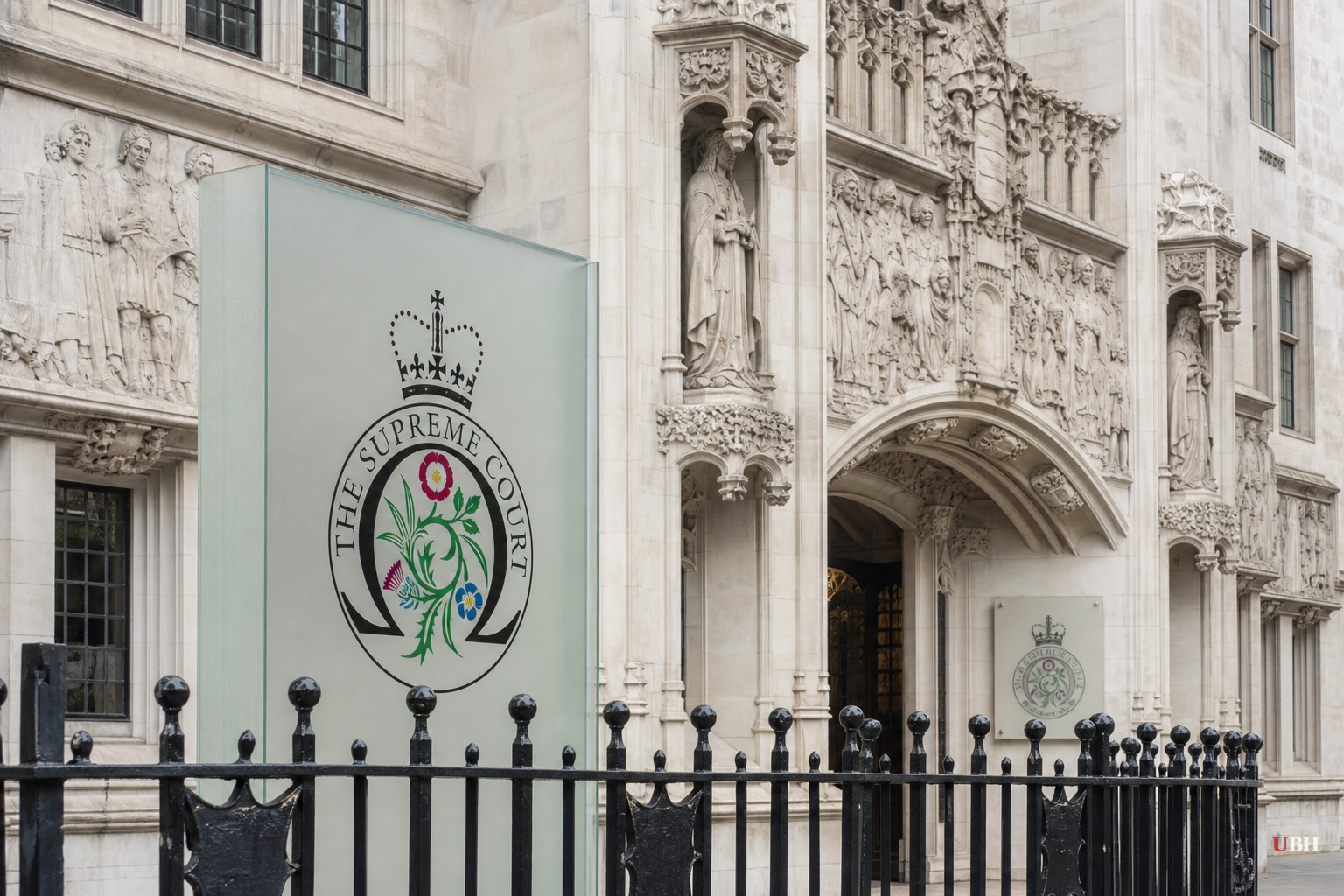
Britain's Supreme Court confirmed Thursday, July 30, 2026, that it will hear a full appeal over the government's ban on Palestine Action, the direct-action group proscribed as a terrorist organization under the Terrorism Act since July 2025.
The court granted permission to Huda Ammori, the group's co-founder, to challenge a Court of Appeal ruling that upheld the ban. According to the BBC, the case will be expedited and heard after the summer break. Anadolu Ajansı and the Guardian both report the hearing is scheduled for the final quarter of 2026.
Then-Home Secretary Yvette Cooper banned Palestine Action last July after members broke into an RAF base and spray-painted two aircraft, causing what police say was £7 million ($9.4 million) in damage, according to Anadolu Ajansı. The BBC separately reported on a group of Palestine Action members who caused more than £1 million in damage at a defense firm near Bristol tied to Israeli-owned Elbit Systems. Four members of that break-in team were jailed, and one was also sentenced for hitting a police officer with a sledgehammer, causing grievous bodily harm.
The legal back-and-forth has been dizzying. The High Court ruled in February 2026 that the ban was disproportionate and unlawful. The Court of Appeal reversed that in June, with a five-judge panel, unusually large for that court, including the Lady Chief Justice Sue Carr and Master of the Rolls Geoffrey Vos, ruling the ban struck a fair balance between free speech rights and national security concerns, according to Middle East Eye.
Ammori then asked the Court of Appeal for permission to appeal its own ruling. That request was refused within hours, according to the Guardian. She went straight to the Supreme Court, which has now agreed the case is arguable on human rights grounds. The court said it's arguable the ban represents a disproportionate interference with Articles 10 and 11 of the European Convention on Human Rights, the provisions protecting free speech and freedom of assembly.
The stakes for people already arrested
The Guardian reports more than 3,500 people have been arrested since the ban for allegedly supporting Palestine Action, and their cases are on hold until the Supreme Court settles whether the proscription itself is lawful. Middle East Eye put the number of people facing terrorism charges specifically tied to Palestine Action protests at more than 1,500, with hearings listed in London on Thursday.
On the day the Supreme Court's decision came down, dozens more people were arrested outside Westminster Magistrates' Court for declaring support for or membership in the banned group. The numbers vary by outlet: the BBC and Middle East Eye both cited over 70 arrests from the Metropolitan Police, while the Guardian's report, sourced partly to the activist group Defend Our Juries, cited similar figures elsewhere in coverage of the same day's protests. The BBC noted that many protesters showed up expecting to face court dates that had actually been listed in error, a mix-up that both the court and Metropolitan Police had told people not to act on.
Among those arrested, according to the Guardian, was Sir Jonathon Porritt, 76, a former director of Friends of the Earth. Also detained, per the Guardian's account of the demonstration, was an 87-year-old woman in a wheelchair.
The case for the ban, and the case against it
The government's position, laid out by the Court of Appeal, is that Palestine Action crossed a line from protest into coordinated criminal sabotage against defense infrastructure, causing millions in damage and, in one case, serious injury to a police officer. Home Secretary Shabana Mahmood said the government would "robustly defend this appeal," and the Court of Appeal's own five-judge panel found the ban proportionate given national security interests.
Ammori's argument, which persuaded the High Court in February and now the Supreme Court to at least hear, is that banning a group under terrorism law effectively criminalizes ordinary political speech, since holding a sign or saying you support the group's aims, not its property destruction, can now carry up to 14 years in prison. She's called it "one of the most extreme attacks on free speech and the right to protest in modern British history," and told supporters, according to Anadolu Ajansı, that she'll take the fight to the European Court of Human Rights if the UK courts side against her.
Whether the proscription law itself was designed with enough precision to separate violent sabotage from lawful dissent is now the exact question the Supreme Court has agreed is arguable. No verdict has been reached. The hearing is expected in the final quarter of 2026, and until then, thousands of pending arrests sit frozen, waiting on five justices to decide whether the ban was lawful in the first place.
Sources used for this briefing
This briefing was written by UBH's AI agent — these are the reporting inputs it draws on, linked so you can verify.


