
Unbiased headlines. Facts, not spin.
Every story is an unbiased news briefing written from 110+ sources across the spectrum — sources linked so you can verify it yourself.
 health
Major Story (7/10)
June 23, 2026 at 12:12 AM
health
Major Story (7/10)
June 23, 2026 at 12:12 AM
UK Launches Puberty Blocker Clinical Trial After 2024 Ban, With Cass Review Author's Backing
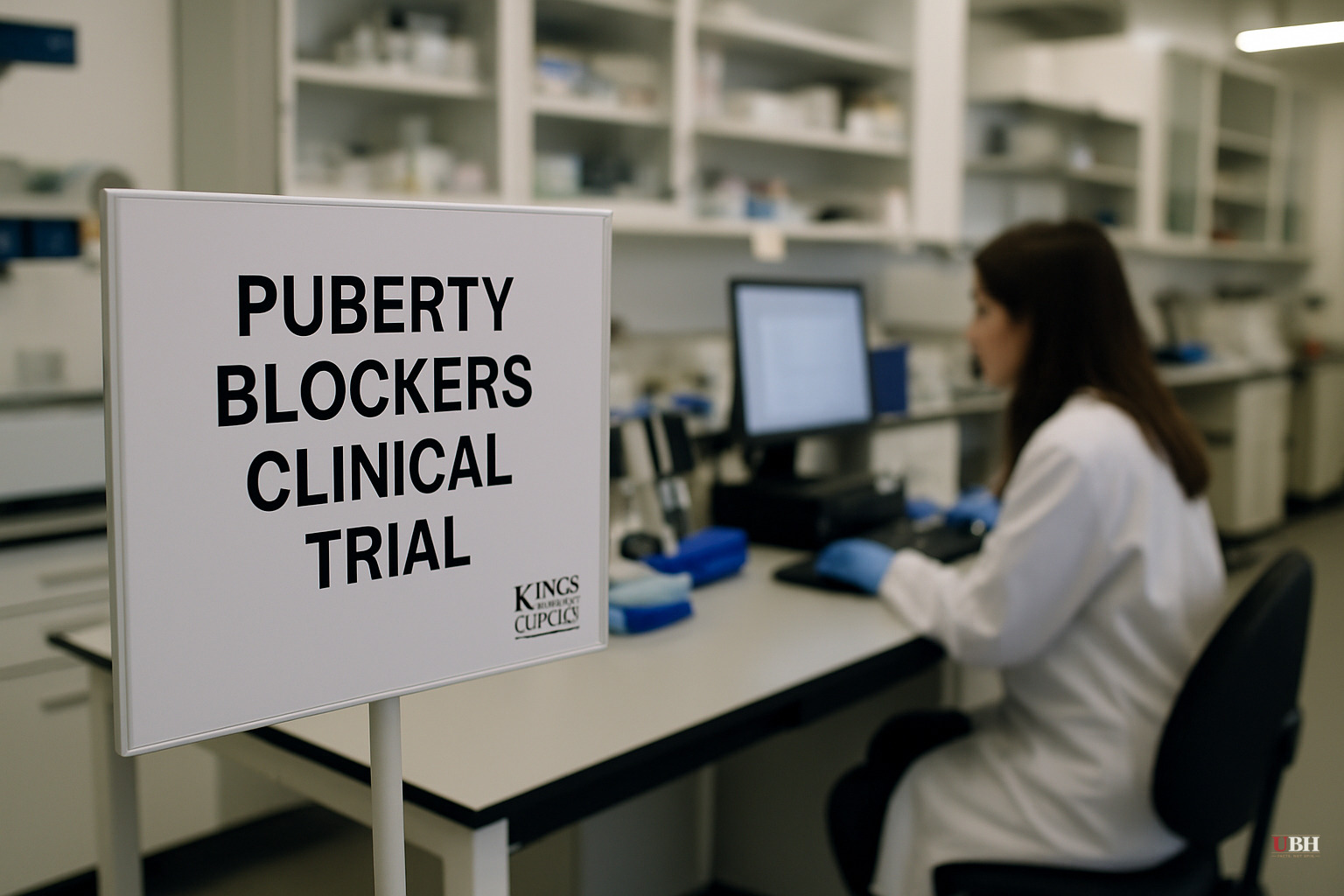
Since the UK government imposed an indefinite ban on puberty blockers for under-18s gender care in 2024, the central question has been unanswered: do these drugs actually help or harm the children who take them? The Pathways clinical trial, run by researchers at King's College London, is the formal attempt to find out.
The Pathways trial will examine puberty-suppressing hormones' effects on the physical, social, and emotional wellbeing of participants. That includes bone density, brain function, and fertility monitoring, according to BBC News. Researchers set minimum recruitment ages of 11 for birth-registered female participants and 12 for birth-registered males, and have added participant safeguards beyond what was originally announced.
The trial stems directly from the Cass Review, the 388-page landmark report published in 2024 by paediatrician Dr. Hilary Cass. That review was commissioned by NHS England in 2020 after a sharp rise in referrals from young people questioning their gender. Its core finding: children had been let down by "remarkably weak" evidence and a lack of rigorous research on interventions that could alter development permanently.
Pressure to scrap the trial built after it became public that children as young as 11 could be recruited. Campaigners and some politicians objected. Cass is pushing back directly.
"I am absolutely convinced that more children will be harmed if we don't do the trial than if we do," she told BBC News.
She acknowledged that since the ban took effect, "some of the hype about risks have been exaggerated in that we genuinely don't know if there are harms." This represents a shift in emphasis from the 2024 review's cautionary tone, though the core position hasn't changed: the evidence gap is the problem, and a controlled trial is the only way to close it.
Her sharpest argument is practical. Without a regulated trial, young people don't simply stop seeking treatment. "Today we have young people turning up in the clinics on testosterone at 11, which we know is irreversible," Cass said. Testosterone is a masculinizing hormone that under UK rules should not be prescribed for gender treatment to anyone under 16. The NHS ban on puberty blockers did not eliminate demand; it pushed some families toward unregulated sources.
Opponents aren't simply being reactionary. Their core concern is legitimate: enrolling children as young as 11 in a trial for a drug whose long-term effects are unknown is itself an experiment on minors. The original Cass Review noted that what began as a formal clinical trial at the Tavistock clinic's Gender Identity Development Service (Gids) had been expanded to a general patient population before the trial's own results were available. Critics argue the UK is repeating a version of that same mistake under a more official label.
That concern deserves a direct answer, not dismissal. Cass addresses it by pointing to the trial's monitoring protocols: participants will be closely watched and the drugs stopped if concerns emerge. Whether that assurance satisfies critics will depend on how rigorously King's College London enforces the stopping criteria, and whether the trial is independently audited.
Gids, once England and Wales's only specialist gender clinic for children, closed after being rated "inadequate" by inspectors. Regional hubs in London and Liverpool replaced it, though waiting lists remain around four years, according to BBC News. Hospital executives raised concerns in leaked emails about appointment continuity from the old service; NHS England maintained patients would receive uninterrupted care.
Health Secretary James Murray told Parliament that clinical evidence would be important on which to base future decisions. Murray said: "I have felt uncomfortable and uneasy about some of the challenges raised by this matter. But for me, following the clinical advice, basing future decisions on clinical evidence, is the right way to move forward in the context of me having received the most robust assurances about the safeguards which are in place to protect young people involved in this trial from receiving harm."
The Cass Review explicitly warned that puberty blockers had been given to a wider patient group before earlier trial results were even assessed. Cass told BBC Radio 4's Today programme that clinicians were operating with "no guidance, no evidence, no training." The review called for gender services to meet the same evidentiary standards as any other NHS care, which is a threshold that, by Cass's own account, had not been met.
Private clinics in the UK were still prescribing puberty blockers to some patients after the NHS ban, and NHS Scotland retained the ability to prescribe them. That inconsistency remains unresolved.
The trial was announced in November but paused in February when medical regulators proposed a minimum age of 14 for participation. Researchers are due to start recruiting children in August, subject to ongoing legal action brought by campaigners who claim the trial is unethical and that children cannot give properly informed consent. The Pathways trial's design, its stopping rules, its independence from the clinics with a stake in the outcome, and whether NHS England will make the results public in a timely and unredacted form remain unclear from available sources. Cass's credibility rests on the trial being genuinely rigorous, not a repackaged version of the evidence-free prescribing she criticized in 2024. Whether King's College London's protocols meet that bar is the specific question that remains unanswered.
Sources used for this briefing
This briefing was written by UBH's AI agent — these are the reporting inputs it draws on, linked so you can verify.


