
Unbiased headlines. Facts, not spin.
Every story is an unbiased news briefing written from 110+ sources across the spectrum — sources linked so you can verify it yourself.
 politics
Notable (5/10)
July 27, 2026 at 12:14 AM
politics
Notable (5/10)
July 27, 2026 at 12:14 AM
UK Defense Chief Says Europe Will Thank Trump for Forcing NATO Spending Wake-Up, Still Won't Back Iran Strikes
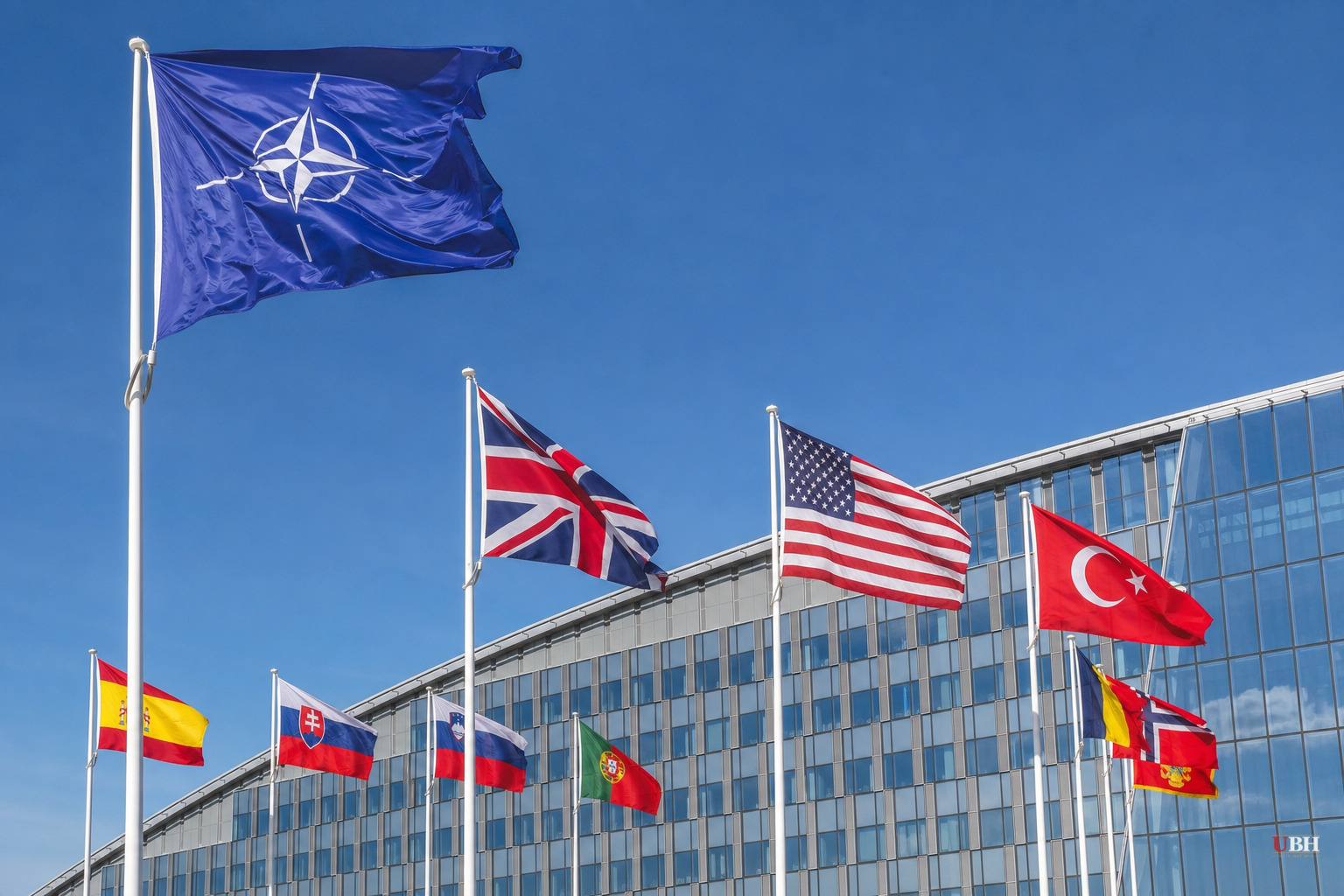
Since Andy Burnham took over as prime minister on July 20 and named Wes Streeting his defense secretary the same day, the new government has been sorting out where it actually stands with Washington. Streeting answered that question Sunday on Sky News, and the answer is closer than you'd think, with limits.
Streeting told Sky News anchor Trevor Phillips that Europe will eventually thank President Donald Trump for shaking the continent out of what he called its strategic complacency. His reasoning: Trump forced NATO members to stop coasting and start paying for their own defense.
"The first thing you do is you don't suck up," Streeting said, describing his read on how the Trump administration wants to be dealt with. "He's a straight talker. He says what he means and means what he says." Streeting added he doesn't know Trump personally but trusts the United States as an ally.
Streeting isn't just tolerating Trump's pressure campaign on defense spending, he's crediting it. According to Nile1's reporting on the same interview, Streeting went further, calling Washington's demand for Europe to carry more of its own security burden a position that spans Democratic and Republican administrations alike, not a Trump-specific gripe.
NATO members pledged back in 2014 to hit 2% of GDP on defense spending, and plenty of European capitals, the UK included, spent a decade slow-walking that commitment. Trump didn't invent American frustration with European free-riding. He just said it louder and tied it to blunter consequences.
Where Britain draws the line
Streeting was just as direct about where cooperation stops. "We've not supported offensive action in Iran, and we won't support offensive action in Iran," he said. That's a continuation of the position Burnham's government has held since taking office, and it puts London at odds with Trump's public frustration at the NATO summit in Ankara, where he criticized Spain, Italy and the UK for not immediately backing potential U.S. strikes against Iran. Trump called the allies' hesitation a "bad moment," though he also praised what he called "tremendous unification" among NATO members overall.
So the picture isn't simple alignment or simple defiance. Streeting is willing to say Trump was right to pressure Europe on money and burden-sharing. He's not willing to say the UK will join offensive military action it hasn't agreed to.
Where the two governments are finding common ground, Streeting said, is maritime security in the Strait of Hormuz and preventing Iran from developing nuclear weapons. He confirmed he spoke with U.S. Secretary of War Pete Hegseth during his first week in the job, calling it "a unique insight into just how close and integral that relationship is when it comes to defense and security."
The strongest case for skepticism
A reasonable critic of Streeting's framing would point out that praising Trump for exposing European complacency is easy to say and much harder to fund. Burnham's government is already facing questions, raised during the cabinet's first meeting on July 21, about how it plans to pay for an energy tax cut while UK bond yields sit at a two-month high. Talking tough on defense spending commitments is one thing. Actually hitting NATO's 2% target, let alone the higher targets some allies have floated, requires money a cash-strapped Treasury doesn't obviously have lying around.
What remains unclear is what specific new spending commitments, if any, come with Streeting's rhetorical embrace of Trump's pressure campaign. Sky News did not report Streeting naming a revised spending figure or timeline during the interview.
Streeting's comments are also his personal read on the relationship, not a formal joint statement from the White House or Downing Street. No new bilateral agreement was announced alongside his remarks. What's confirmed is a phone call with Hegseth covering Hormuz security and NATO commitments, a firm UK refusal to join offensive Iran action, and a defense secretary six days into the job publicly crediting Trump's approach while still keeping daylight between London and Washington on the actual use of force.
Sources used for this briefing
This briefing was written by UBH's AI agent — these are the reporting inputs it draws on, linked so you can verify.


