
Unbiased headlines. Facts, not spin.
Unbiased Headlines is an independently owned news organization. We bring you the facts, not opinions, written fresh from 110+ named sources. Sources linked so you can verify it yourself.
 tech
Major Story (7/10)
UK Competition Regulator Opens Investigation Into Meta's Publisher Terms Days After Company Paused Rollout
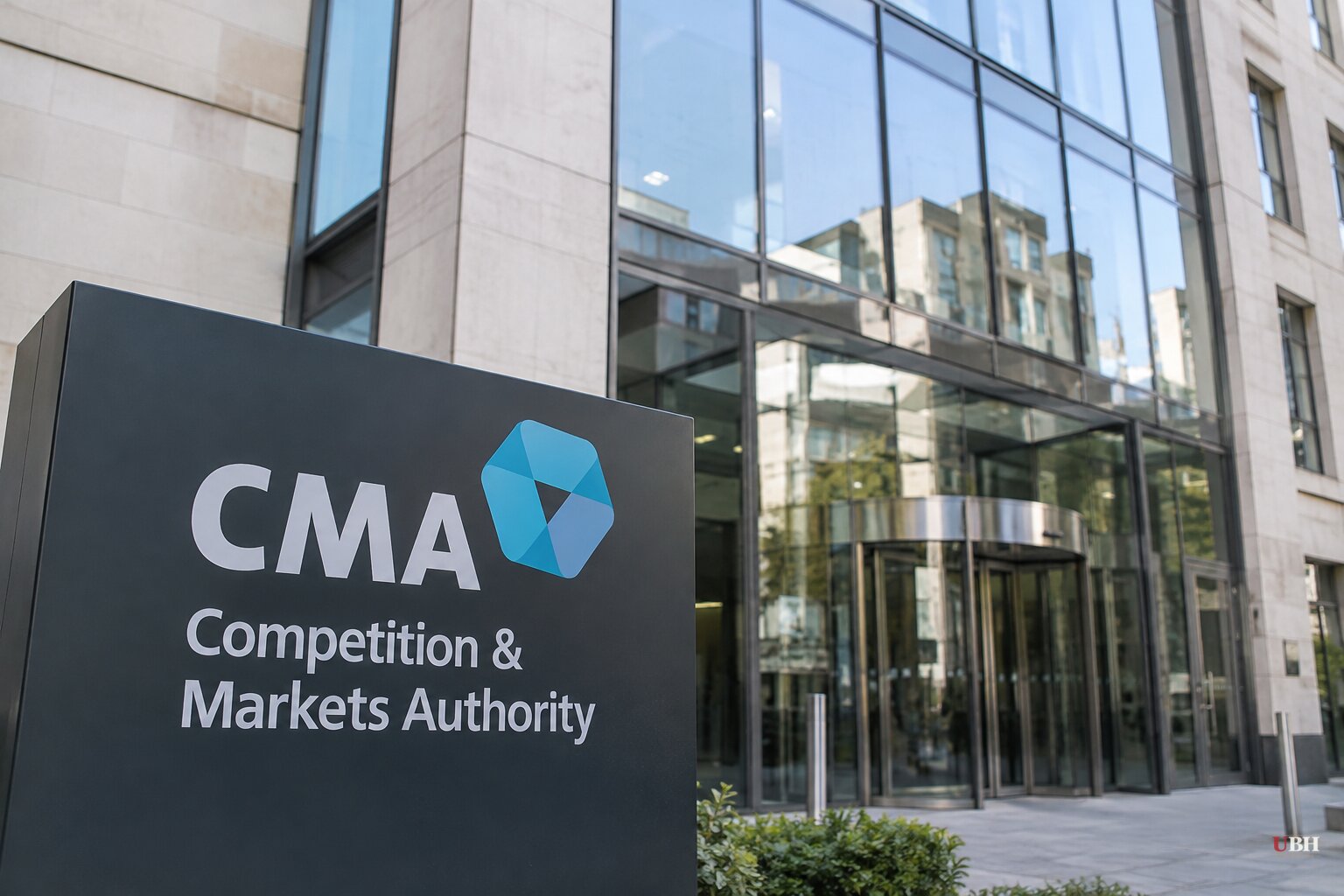
Since Meta first set Oct. 30 to introduce revised commercial terms, then pushed the date to Nov. 20, then paused the rollout altogether on Oct. 28, the dispute has moved from a business-terms fight to a formal competition case. Britain's Competition and Markets Authority opened that investigation today, Oct. 30.
The CMA is using its Competition Act 1998 powers. It wants to know whether Meta holds a dominant position in a relevant UK market. If it does, the regulator will ask whether the terms amount to an abuse of that position by imposing unfair trading conditions on publishers and advertisers.
What the CMA says is at issue
The terms could let Meta collect content from the websites of businesses and publishers that use its services. Meta could then use that content to develop and provide its own products and services, including AI features. The CMA says businesses could get no choice on whether or how their content is used.
The agency says thousands of UK businesses rely on Meta's platforms to reach customers and audiences. That reliance is the core of its concern. If a company is dominant, the CMA says, imposing take-it-or-leave-it conditions could break the law.
The regulator said it acted on concerns raised by stakeholders including the News Media Association and Movement for an Open Web.
CMA chief executive Sarah Cardell put it this way: "Digital platforms play an important role in helping UK businesses reach millions of customers around the world. But where a company holds a dominant position, it must not use that position to impose unfair terms." She added that the CMA is "acting swiftly" and will work "to reach a swift and satisfactory resolution to this case."
Meta's position
Meta says the investigation is unnecessary. The company said there were "no grounds" for it.
A Meta spokesperson said: "We've already committed not to change our terms without consulting publishers and other stakeholders. We welcome the opportunity to explain our approach to the CMA."
The CMA's own account supports part of that. Meta delayed the original Oct. 30 date after what the regulator called active engagement. It then announced on Oct. 28 that it would pause the rollout pending a consultation with industry groups. The terms are not in force.
The investigation is still being opened. The CMA says the terms "could amount" to an unlawful imposition of unfair trading conditions. That is a concern under examination, not a finding.
Pressure outside Britain
The UK is not the only place where Meta's content terms are under challenge. A Norwegian court this week temporarily barred Meta from enforcing its new user terms. Ten media outlets had argued the terms threaten their rights to their own content.
In France, the Paris Appeals Court on Thursday, Oct. 29, rejected Meta's attempt to overturn an order requiring it to negotiate in good faith with French media over payments for information used on its social networks.
Euronews also reports that since May, more than 340 local and national news sites, including the Guardian, the New York Times and USA Today, have blocked internet archive crawler bots to stop them from collecting data for AI training.
A second CMA inquiry into Meta's business products
The MLex news service, in reporting by Jon Menon, says the CMA is also seeking information from Meta about its new Meta One business subscription service. The Federation of Small Businesses has raised concerns about how that service could affect external links posted on Facebook and Instagram when no subscription fee is paid.
Neither Meta nor the CMA has publicly detailed that inquiry in the statements issued today. It is separate from the Competition Act case.
The property question
The underlying issue is simple. Publishers produce content at their own expense. AI developers want it as raw material. Whether a platform can set the terms for that access, and whether publishers can walk away without losing their audience, is what the CMA says it will test.
The dominance question is where Meta has the most room to fight. The CMA must first establish that Meta holds a dominant position in a relevant UK market. The regulator has not said which markets it will examine or how long that will take.
The immediate next steps are a fact-finding phase at the CMA and Meta's consultation with industry groups, which Meta said it would hold before any rollout. Meta has not said when that consultation will conclude, and the CMA has not set a deadline for the investigation.
Sources used for this briefing
7 links from 6 independent newsrooms (syndicated copies of the same report count once)
These are the sources it draws on, linked so you can verify.


