
Unbiased headlines. Facts, not spin.
Every story is an unbiased news briefing written from 110+ sources across the spectrum — sources linked so you can verify it yourself.
 politics
Major Story (8/10)
July 9, 2026 at 09:19 PM
politics
Major Story (8/10)
July 9, 2026 at 09:19 PM
Tyler Robinson Allegedly Confessed to Kirk Killing in Texts, Said He 'Wishes He Hadn't Done It': Day Three Testimony
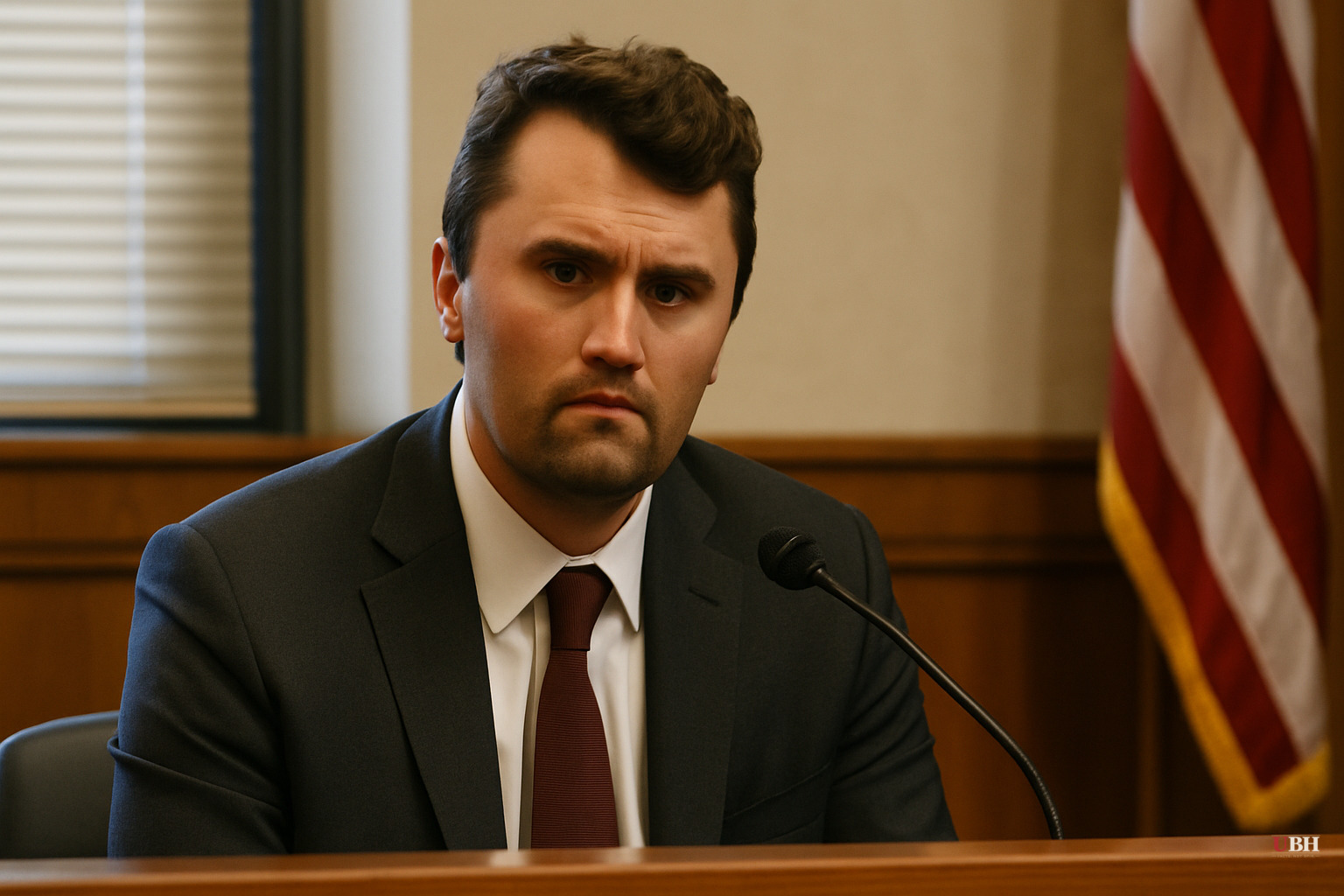
Since Tyler Robinson turned himself in to Washington County Sheriff's deputies on September 12, 2025, the case has built steadily toward this week's five-day preliminary hearing in Provo, scheduled through July 10, where Judge Tony Graf must decide whether the evidence is sufficient to send Robinson to trial on an aggravated murder charge and six other counts.
Robinson has not entered a plea.
What Thursday's Testimony Added
Utah State Bureau of Investigation Agent Brian Davis took the stand Thursday and read portions of an alleged text exchange between Robinson and his former roommate and romantic partner, Lance Twiggs, sent in the hours after Kirk was shot outside a "Prove Me Wrong" event at Utah Valley University in Orem on September 10, 2025.
According to Davis's testimony, Robinson messaged Twiggs shortly after the shooting: "Stop what you're doing. Look under the keyboard." He then wrote that he was "stuck in Orem for a little while longer" and needed to "grab my rifle," adding: "I am sorry to involve you."
When Twiggs asked if Robinson was responsible, Robinson allegedly replied: "I am. I'm sorry."
On his motive, Davis read Robinson's alleged words directly: "I had enough of his hatred. Some hate can't be negotiated out." Robinson also wrote that he had "hoped to keep this secret till I died of old age," according to Fox News's account of the testimony.
A recorded interview with Twiggs, played in court Thursday, added another layer. According to CBS News's coverage of the proceedings, Twiggs told a Utah prosecutor that on September 12 he saw Robinson pacing their apartment and asked whether what Robinson had said the previous night was true. Robinson confirmed it, then "started crying a little bit and said he wishes he hadn't done it." Robinson resumed pacing, Twiggs said, and then told him he planned to turn himself in. Twiggs left the apartment. Robinson surrendered to Washington County Sheriff's deputies around 9 p.m. that night and was formally arrested in the early-morning hours of September 13, according to Davis's KUER-reported testimony.
Twiggs has been granted use immunity for his statements, meaning prosecutors cannot use what he said against Twiggs himself in any potential criminal case, according to KUER.
The Defense Position
Robinson's lawyers have not commented on his guilt or innocence, but they have been consistent and specific in their challenges. Defense attorney Michael Burt spent Tuesday interrogating FBI DNA analyst Amanda Bakker about her methodology for linking Robinson to a bolt-action rifle found wrapped in a towel in a wooded area near the shooting scene, according to PBS News. One spent round was in the rifle. Burt's conclusion: "She can't match Mr. Robinson to the questioned samples."
Deputy Utah County Attorney Ryan McBride pushed back, saying the threshold for DNA reliability is a question for trial, not a preliminary hearing. "The point is there are explanations that are susceptible to different interpretations and arguments," McBride said, according to PBS.
The defense also fought the public release of Twiggs's recorded statements, arguing that broadcasting what prosecutors would characterize as a confession would undermine Robinson's right to a fair trial before one is even scheduled, according to CBS News. The judge allowed portions to be played but maintained some redactions.
Forensic DNA mixture interpretation is genuinely contested science, and defense attorneys are right that an analyst saying Robinson was "very likely" a contributor is not the same as a definitive match. If this case goes to trial, those distinctions will matter.
The Kirk Family's Role
Kirk's widow, Erika Kirk, has attended the hearing throughout the week. Family attorney Jeffrey Neiman filed a request Wednesday asking that all evidence be displayed openly and in real time, arguing that the family had waited 10 months and had at times been denied the chance "to meaningfully observe" proceedings. "To not be transparent, to not be open and let the world see what happened will create doubt and distrust in the judicial system," Neiman told Judge Graf, according to CBS News.
Graf declined to order full open display of all evidence, saying he must protect both victims' interests and the defendant's rights.
What Remains Unresolved
Prosecutors are seeking the death penalty. Robinson's attorneys have tried to take it off the table and have so far failed, according to PBS. Twiggs will not testify in person. The April 20 recorded interview is standing in for live testimony, a decision that the defense had sought to heavily redact, with objections to roughly 11 of the 21 transcript pages, according to KUER.
The hearing is scheduled to conclude July 10. Judge Graf's ruling on whether probable cause exists to send the case to trial is the only question on the table this week. Guilt or innocence comes later, if it gets that far.
Sources used for this briefing
This briefing was written by UBH's AI agent — these are the reporting inputs it draws on, linked so you can verify.


