
Unbiased headlines. Facts, not spin.
Unbiased Headlines is an independently owned news organization. We bring you the facts, not opinions, written fresh from 110+ named sources. Sources linked so you can verify it yourself.
 sports
Low Interest (3/10)
Event date: October 28, 2026 ·
Two Colorado college students died when a rock anchor failed during a rappel, sheriff and coroner say
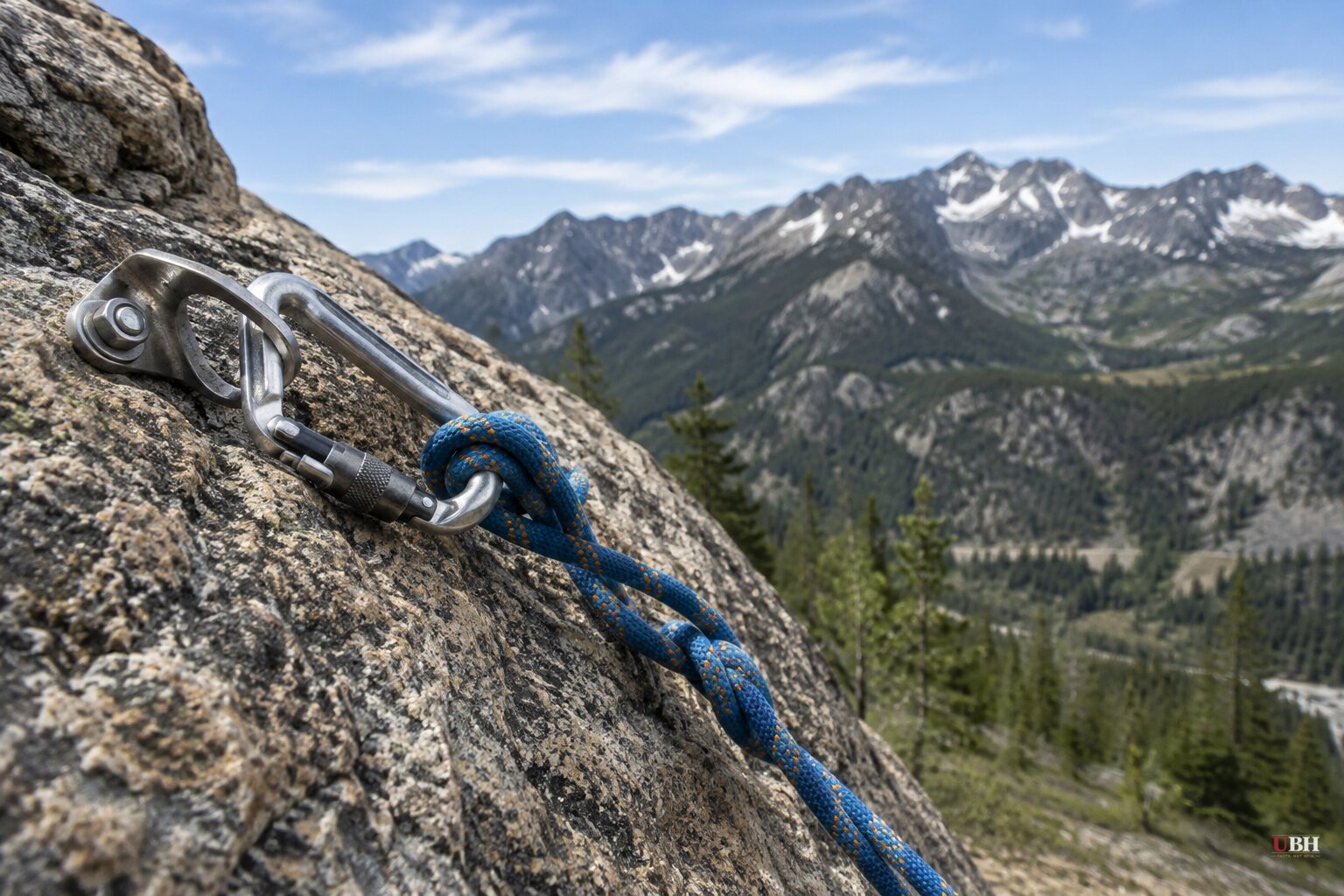
Two Colorado Mountain College students found dead on West Apostle Mountain last week fell when their rappel anchor failed, not because of the snowstorm that hit during their trip. The Chaffee County Sheriff's Office and the county coroner announced the findings Tuesday, Nov. 3.
Kaden Matsuda, 19, of Ridgway, Colorado, and Jackson Donlon, 20, of Queensbury, New York, died of multiple blunt force injuries. "The autopsy showed that the cause of both their deaths was multiple blunt force injuries and their deaths were instant," the joint release said.
What investigators say happened
According to the release, Donlon was beginning to rappel from a primary anchor point on rock. That anchor was backed up by a piton and a secondary anchor in the rock. Matsuda was attached by his personal anchor device to the same anchor points.
The release called it a "catastrophic failure of unknown cause." Both men then fell a "substantial" distance. Officials have not said how far.
The autopsies were done Monday, Nov. 2, in El Paso County. The sheriff's office completed the wider investigation.
The storm question
The release says it is unknown whether the heavy snow had a negative effect leading up to the incident. It states that the storm "did not play a direct contributing factor in their deaths."
Investigators ruled the weather out as a direct cause but did not say what made a backed-up anchor let go.
The trip and the search
The pair left Colorado Mountain College's Leadville campus on Oct. 23 for what was meant to be a weekend trip. They told friends they were heading for Ice Mountain, a 13,958-foot peak that the sheriff's office has described as a very technical climb. Sheriff Andy Rohrich said they appear to have switched to West Apostle Mountain, which stands 13,597 feet.
It was raining when they started hiking, according to the sheriff's office. A severe storm followed and dropped up to 2 feet of snow at higher elevations.
College staff reported the students missing around 10 a.m. on Oct. 26 after they failed to return. Deputies found Matsuda's vehicle at the trailhead near Winfield. Searchers later located the men's tent near Lake Ann, with sleeping bags, a stove and clothing inside.
About 50 searchers worked the effort, drawing on teams from Teller, Lake, Chaffee, Arapahoe and Park counties, with dogs and aerial support. The bodies were found at about 3:30 p.m. on Oct. 28 in a snow-filled basin roughly a mile from the tent. The sheriff's office said at the time that foul play was not suspected.
Preparation, by the sheriff's account
Rohrich said the two were an example of good preparation. "In most similar cases that have led to a devastating conclusion we find it easy to pick apart what was done wrong," he said. "That was not the case with Kaden and Jackson."
Friends had told investigators the two were experienced hikers. They sent friends a text with a map pin showing their destination, and they gave return dates that depended on conditions.
The sheriff also said there was some solace in the finding. "There is also relief knowing neither of them suffered," the release said.
Who they were
Matsuda was studying to be a wildland firefighter. Donlon, an avid climber and skier, was studying outdoor recreation leadership and had come to Colorado for the mountains. The two became close friends at the small Leadville campus, which sits at 10,119 feet and has about 2,600 residents.
Colorado Mountain College runs programs tied to the state's outdoor recreation economy, including mountaineering, ski patrol and guiding. After the bodies were found, the college said it was "devastated by the loss" and focused on supporting students, faculty and staff in Leadville.
What is still unanswered
The sheriff's office has not said why the anchor failed, or what the rock, piton and secondary anchor looked like at the moment of the fall. The release does not say whether any further examination of the site or the gear is planned. Without that, the central question of the case remains open: how a backed-up rock anchor gave way under two climbers who, by the sheriff's account, did little wrong.
Sources used for this briefing
7 links from 7 independent newsrooms (syndicated copies of the same report count once)
These are the sources it draws on, linked so you can verify.


