
Unbiased headlines. Facts, not spin.
Every story is an unbiased news briefing written from 110+ sources across the spectrum — sources linked so you can verify it yourself.
 politics
Low Interest (3/10)
August 1, 2026 at 12:12 PM
politics
Low Interest (3/10)
August 1, 2026 at 12:12 PM
Tuskegee University Tells Students: Business Suits, No Bonnets, No Durags in Class This Fall
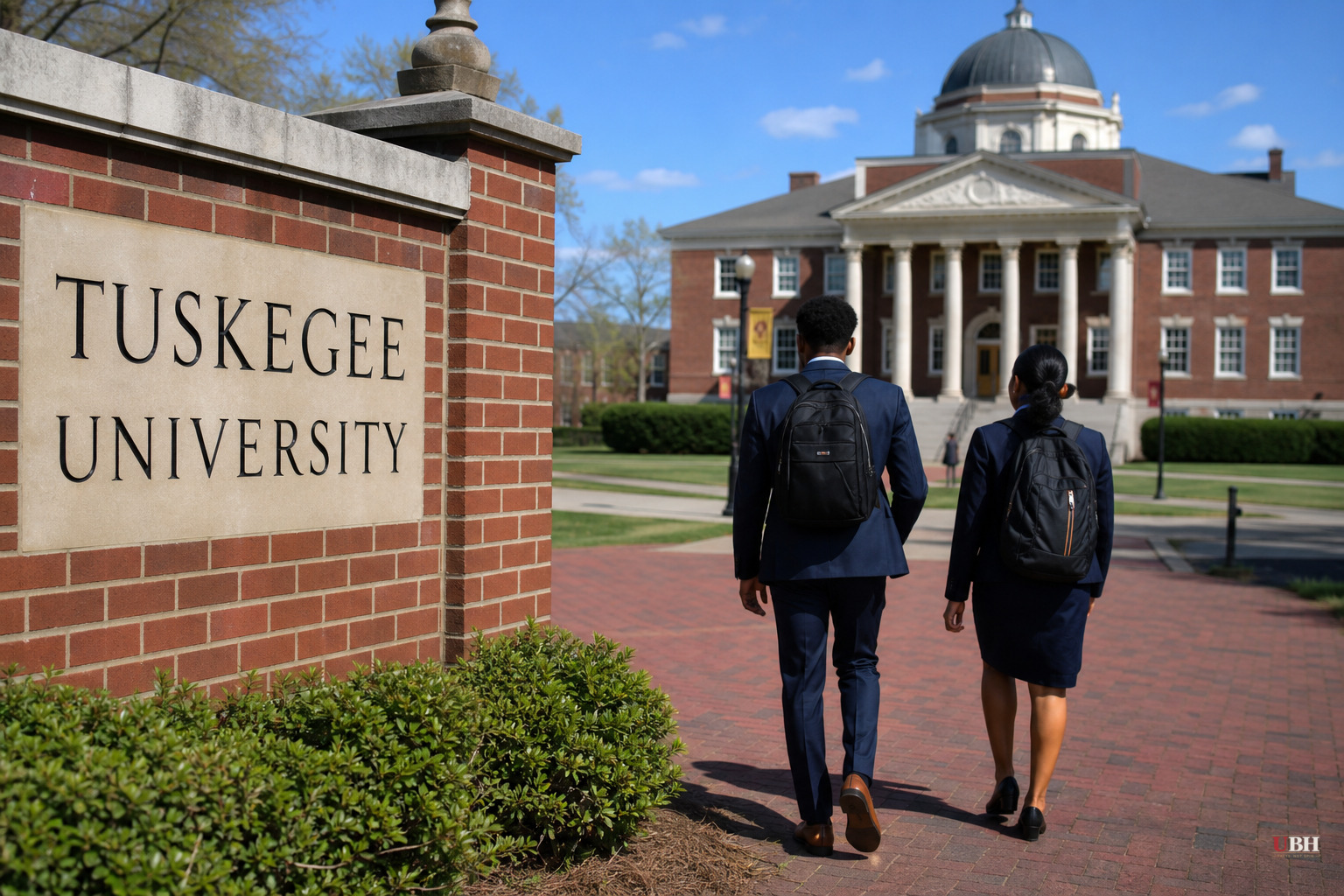
Tuskegee University is telling students to dress like they mean business, literally.
President Dr. Mark A. Brown sent a memo to students and parents last week laying out an updated dress code ahead of the 2026-2027 academic year. Students are expected to arrive on campus with a business suit and proper shoes, the kind you'd wear to an actual business meeting, according to Brown's message reported by the New York Post. The policy also bars revealing clothing in classrooms, dining halls, and official settings like Convocation.
Then there's the headwear. Bonnets, durags, stocking caps, bandanas, and baseball caps are out for men inside academic buildings. Women can't wear baseball caps indoors either. Pajamas and bedroom slippers are banned outside the dorms. Sagging pants are prohibited in academic facilities, according to the Tuskegee Student Handbook cited by The Shade Room.
Brown framed the changes as career prep, not punishment. "The goal here is not meant to restrict you from enjoying the Tuskegee Experience, but to prepare you with a solid foundation for the workforce you will enter once you leave Tuskegee," he wrote, according to the New York Post and Our Weekly. He added a blunter line in the same letter: "Employers are less forgiving and too often [one's] presentation may overrule stellar preparation," per Our Weekly.
The university didn't stop at clothes. Brown's memo also tightened cellphone rules, requiring devices to be off during class unless a professor says otherwise, and reiterated Tuskegee's mandatory attendance policy, according to Unheard Voices Magazine. The memo doesn't spell out specific penalties for violations. Brown said faculty will be empowered to address students who show up dressed inappropriately, the New York Post reported.
The backlash, and the pushback to the backlash
Social media erupted quickly. Critics say the policy singles out items tied to Black hair care and cultural expression, and that it amounts to what one Facebook commenter called "respectability politics," pressuring Black students to "tone ourselves down" to be seen as acceptable, according to the New York Post. An X user quoted by Our Weekly called it "anti-blackness from an HBCU" and said it was ironic. Another user told Our Weekly the school should focus on "admissions, academics, graduation rates, and student outcomes" instead of clothing.
Students are paying tuition, and a dress code doesn't fix financial aid backlogs or housing shortages, points Unheard Voices Magazine raised directly, noting critics say the university should prioritize resources over rules. Some also asked why bonnets and durags, which protect hairstyles, are treated the same as pajamas.
But plenty of people, including Black alumni and current commentators, pushed back on the idea that this is about erasing culture. One Facebook user told the New York Post there's "absolutely no correlation between what you wear to class, in college, and your future as a professional," but far more commenters in the same piece disagreed, arguing basic dress standards are "adult competence," not "White culture."
A Threads user quoted by The Shade Room simply wrote, "Kudos to Tuskegee!!!" Another user told Our Weekly that Black students are "held to a different standard" in professional settings and that "presentation is everything."
This isn't actually new
Tuskegee's student handbook already banned sleepwear outside dorms and headwear like durags, stocking caps, and bandanas in academic buildings, according to language from the handbook itself cited by The Shade Room. Kaylan Parham, a 2022 Tuskegee graduate, told Birmingham's WVTM-TV she wasn't shocked by the reaction because these expectations have existed for years. "It feels like they were just kind of refocusing, like just reminding you of the standards that we already have," she said.
What's new is the emphasis and the timing. The business-suit requirement on arrival and the formalized cellphone crackdown appear to be fresh additions to existing handbook rules, based on how Brown's memo was described across all four outlets. Unheard Voices Magazine also reported the policy lands alongside a broader career-readiness push, including mandatory internships, résumé development, and free access to more than 30 professional certifications, timed to what the university says is its largest incoming class in 32 years.
Tuskegee hadn't issued a follow-up statement responding to the online criticism as of Our Weekly's reporting, with student orientation set to begin within weeks. That leaves the practical questions unanswered: what actual penalties students face for noncompliance, and whether faculty enforcement will be consistent across a campus of thousands. Brown's memo, as reported, doesn't specify consequences, only that faculty are "empowered to respond." How that plays out once students are back on campus is the open question nobody's answered yet.
Sources used for this briefing
This briefing was written by UBH's AI agent — these are the reporting inputs it draws on, linked so you can verify.


