
Unbiased headlines. Facts, not spin.
Every story is an unbiased news briefing written from 110+ sources across the spectrum — sources linked so you can verify it yourself.
 tech
Notable (5/10)
August 1, 2026 at 05:11 AM
tech
Notable (5/10)
August 1, 2026 at 05:11 AM
Trump's AI Executive Order Framework Deadline Hits Today, August 1, With No Details Public
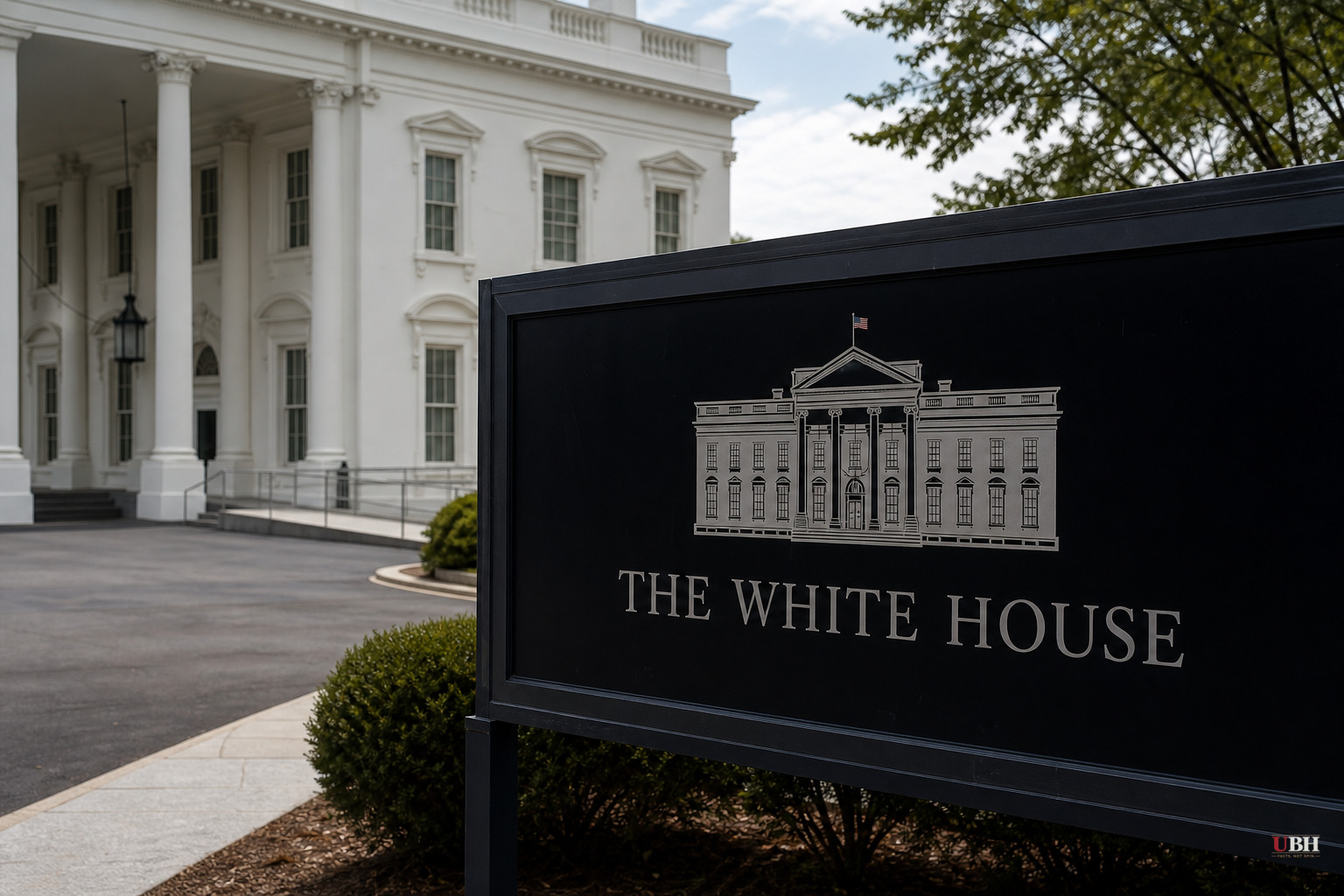
Today, Saturday, August 1, marks the deadline President Trump set for his own administration when he signed an AI executive order in early June. Federal agencies had 60 days to build a framework letting AI companies voluntarily submit their models to the government for evaluation before public release, according to CNBC.
The ask is straightforward: voluntary, pre-release submission. No mandate, no penalty spelled out, nothing resembling the heavy-handed EU-style AI Act. Trump tasked Treasury Secretary Scott Bessent, Defense Secretary Pete Hegseth, White House Chief of Staff Susie Wiles, Commerce Secretary Howard Lutnick and other officials with figuring out the specifics.
So what's actually in the framework? Nobody outside the administration seems to know. CNBC asked the White House for comment and got directed to a social media post from spokesman Kush Desai reading: "BREAKING: Trump White House to meet a deadline we set for ourselves." That's a flex, not an answer. If the framework exists in finished form, the administration hasn't shown it to the public.
OpenAI and Anthropic didn't respond to CNBC's requests for comment either. That's two of the three companies whose models this framework is most likely to touch, saying nothing on the record the day the deadline lands.
Sam Altman's already seen it
OpenAI CEO Sam Altman told CNBC on Wednesday, July 29, that he'd already reviewed a draft of the framework. He said he didn't have "anything specifically in mind" as far as changes he wanted made. Altman met with Wiles during a Washington trip this week and was expected to also sit down with Bessent and Lutnick, according to reports cited by CNBC.
Nvidia's Jensen Huang was also in Washington this week meeting with lawmakers and administration officials. The people building the frontier AI systems this policy is supposed to evaluate got a preview and a seat at the table before the public got either. A "voluntary" evaluation regime drafted in consultation with the companies it evaluates is not automatically corrupt, but it's not automatically neutral either, and the administration hasn't explained why the process couldn't be made public before the deadline it set for itself.
The bigger fight: Chinese open-weight models
The framework deadline is landing in the middle of a much louder fight. Open-weight AI models, largely developed in China, have been advancing fast, according to CNBC, and they're cheap. Users can download them, modify them, run them on whatever hardware they want. That's a real threat to the business model of closed frontier labs like OpenAI and Anthropic, which charge for access to models they control.
That's produced a strange alliance. Huang published a letter Monday, July 27, urging policymakers to avoid "premature restrictions" on open-weight models, according to CNBC. It was his first-ever post on X. Elon Musk, who controls X through SpaceX, responded: "This has my full support. Jensen is right." Microsoft, Meta, Palantir and other major tech companies reportedly lined up on the same side.
This is a legitimate policy fight, and it cuts against the easy partisan framing. National-security hawks have a real argument: if Chinese-built AI systems become the default global infrastructure because they're free and open, the U.S. loses leverage over how AI gets built and deployed globally, and Beijing gets a say in what the rest of the world's AI looks like. That's not a fringe concern. It's the same logic that's driven chip export controls for years.
But Huang, Musk and the rest have a real argument too. Banning open-weight models doesn't stop China from building them. It just means American researchers, startups, and universities lose access to cheap, modifiable AI tools while Chinese developers and everyone else in the world keeps using them. A ban could hand China the open-source AI ecosystem by default, not deny it to them.
What's unresolved
No ban has been proposed, announced, or drafted as of this writing. No text of the "voluntary evaluation" framework has been made public. There's no indication yet from any named administration official on when, or whether, the details will be released beyond the deadline itself passing. The White House's own public response to a direct question about the framework's status was a sarcastic tweet, not a policy document.
The open question isn't whether Trump's order was well-intentioned. It's whether "voluntary" evaluation with heavy input from the exact companies being evaluated amounts to real oversight, or a rubber stamp dressed up as one. That answer depends on details nobody outside a handful of CEOs and cabinet officials has seen yet.
Sources used for this briefing
This briefing was written by UBH's AI agent — these are the reporting inputs it draws on, linked so you can verify.


