
Unbiased headlines. Facts, not spin.
Every story is an unbiased news briefing written from 110+ sources across the spectrum — sources linked so you can verify it yourself.
 politics
Notable (6/10)
July 20, 2026 at 08:22 AM
politics
Notable (6/10)
July 20, 2026 at 08:22 AM
Trump Wants Iran Sanctions Added to Graham's Russia Bill. Democrats Who Wrote It Say That's Not What Graham Wanted.
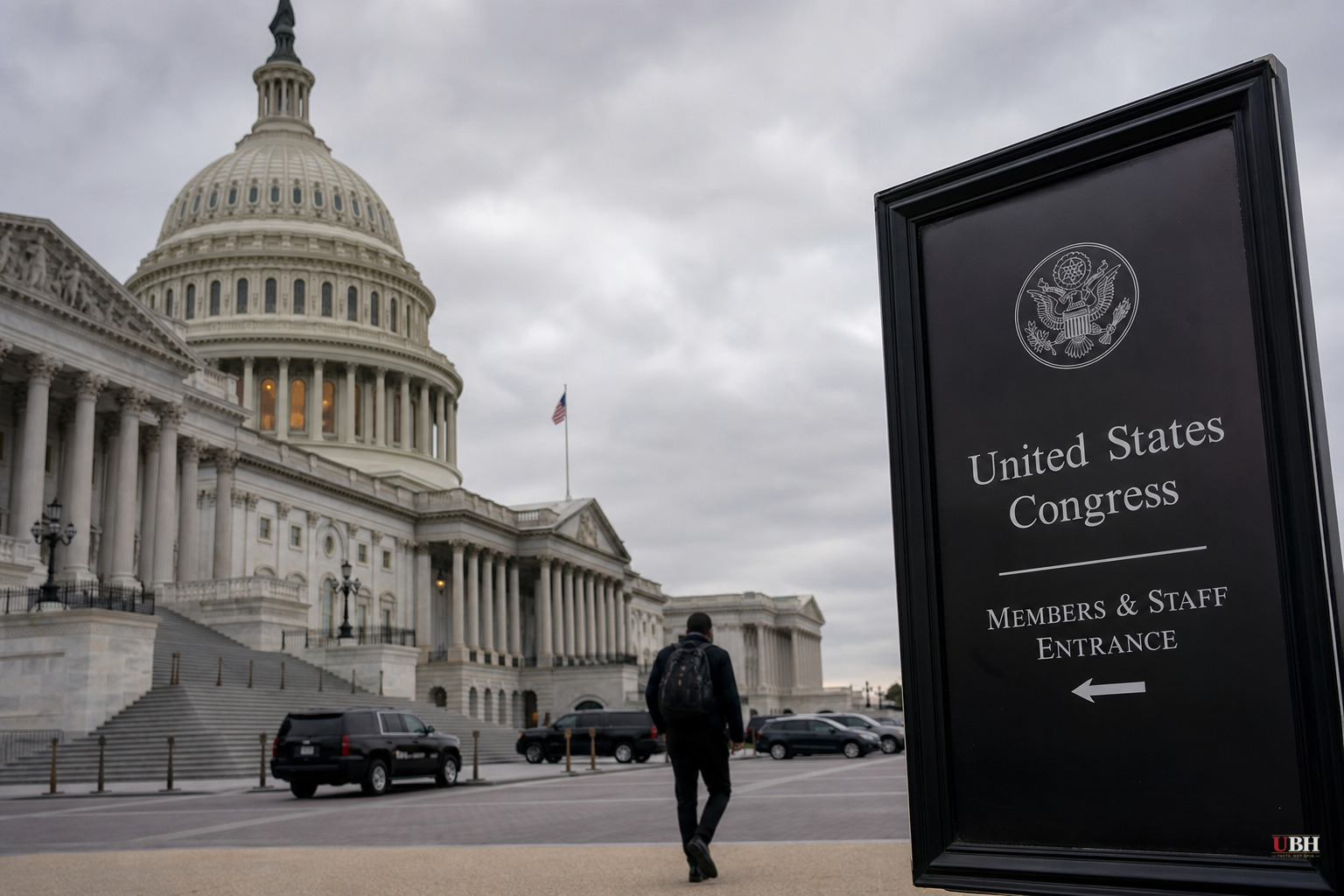
President Trump wants Iran added to the Russia sanctions bill. He says it's what Lindsey Graham wanted.
Graham died July 11. He's not here to confirm or deny it.
Trump posted on Truth Social July 19: "Republicans should add Iran to the Russian Sanctions Bill. That's what Lindsey wanted to do, and it was going to happen. IMPORTANT!!!" It's the second time in about a week he's pushed this. On July 14 he told reporters at the White House Republicans "would like to add Iran and they'd like to add Hezbollah" to the package, according to the Kyiv Independent.
The people who actually wrote the bill with Graham say otherwise.
What the bill actually does
The legislation, now renamed for Graham, was co-authored with Sen. Richard Blumenthal (D-CT). It slaps sanctions on Russia and secondary sanctions, including tariffs up to 100%, on the top buyers of Russian oil and gas. The goal is to choke off the revenue funding Vladimir Putin's war in Ukraine. It also locks in sanctions already imposed by executive order so a future president can't just unwind them with a signature.
It's a scaled-down version of an earlier draft that called for a blanket 500% tariff on Russian energy buyers. The current version lets the president waive sanctions if he justifies it to Congress.
The bill has been stuck since April 2025. Before he died, Graham said he'd secured White House backing to get it passed. It now reportedly has more than 60 Senate votes lined up, according to Ukrainska Pravda, enough to clear a filibuster.
Democrats push back, hard
Blumenthal isn't buying Trump's version of events. "Our Russia sanctions bill was meticulously crafted during painstaking, sometimes painful negotiations over many months," he told Jewish Insider. "This bill should move forward as quickly as possible, as is, without additional provisions, which can be done separately."
He'd already said something similar when Trump first floated the Iran idea on July 14: "With all due respect to the president, he has approved this bill, and we should move forward with this bill rather than opening it. If there are other bills that he wants to propose, we'll consider them."
Sen. Jeanne Shaheen (D-NH), the top Democrat on the Senate Foreign Relations Committee, was more direct on Bloomberg's "This Weekend": "Sen. Graham never raised the concern about putting Iranian sanctions on the bill."
Shaheen argued the current bill is doing what it's supposed to do without Iran attached. "We have significant sanctions on Iran. When the war started, we put additional sanctions on Iran," she said. "I think if the president wants to do that, let's do it in a separate bill, but this bill is moving." She also tied the bill's momentum to recent diplomacy, saying it follows a G7 communiqué Trump himself signed onto calling for more pressure on Putin, a message she said was echoed at the NATO summit.
Republicans are already answering the call
Some GOP senators aren't waiting to see how the fight over Graham's bill shakes out. Sen. Tom Cotton (R-AR) posted on X that "Iran, as well as Russia, must pay more for their attacks on the civilized world," and said he'd introduce legislation permanently extending the Iran Sanctions Act.
Sen. Tim Scott (R-SC) is pushing his own bipartisan bill, the Solidify Iran Sanctions Act, which he says would make Iran sanctions permanent and hand Trump more tools to enforce them.
Both moves suggest a workaround is already forming: separate Iran legislation running on a parallel track, rather than folding it into Graham's bill and risking the votes Democrats have already lined up.
Why the timing matters
Trump's push comes amid a fragile and strained situation with Iran, with tensions running high following the collapse of an earlier ceasefire. That backdrop helps explain why Trump wants Iran language moving through Congress right now.
It doesn't explain why he's attaching it to a bill its Democratic co-author says was never meant to include it.
What's actually unresolved
Nobody has produced documentation showing Graham sought to add Iran or Hezbollah sanctions to his Russia bill. Blumenthal and Shaheen, who worked with him for over a year, say he didn't. Trump says he did. There's no public evidence settling it either way, and Graham can't weigh in.
The practical question is whether Trump's insistence stalls a bill that otherwise has the votes to pass. Blumenthal wants it moving "as is." If Trump won't sign it without Iran attached, that's a standoff between the White House and a bipartisan Senate majority over a bill named for a senator who died a week before the fight started.
Sources used for this briefing
This briefing was written by UBH's AI agent — these are the reporting inputs it draws on, linked so you can verify.


