
Unbiased headlines. Facts, not spin.
Every story is an unbiased news briefing written from 110+ sources across the spectrum — sources linked so you can verify it yourself.
 politics
Notable (5/10)
July 25, 2026 at 01:15 PM
politics
Notable (5/10)
July 25, 2026 at 01:15 PM
Trump Tells Governors to Sell Voters on Data Centers. A New Left-Right Coalition Isn't Buying It.
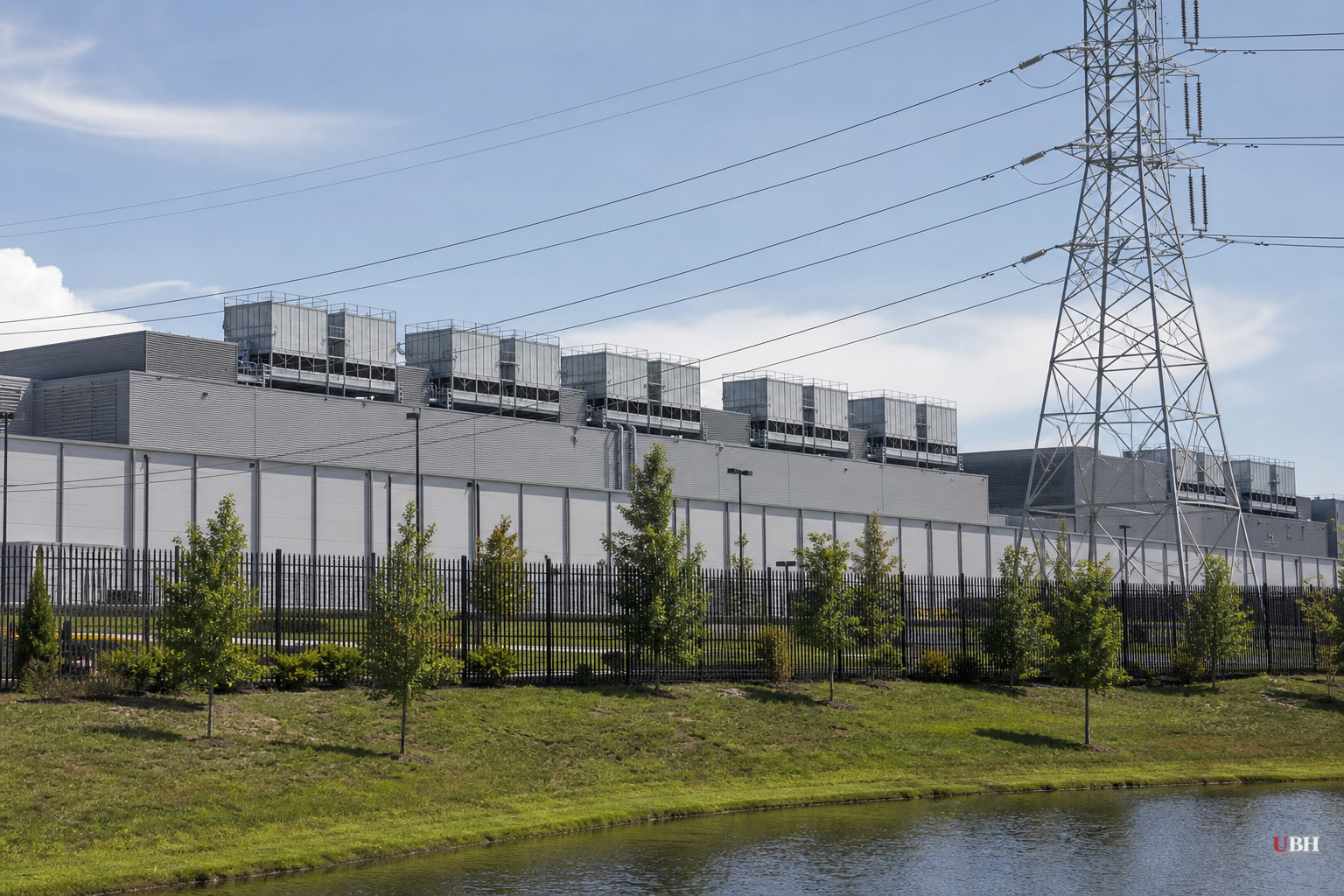
President Trump stood at an Environmental Protection Agency event Thursday and made his pitch to governors and local officials: get on board with data centers, because the money is coming whether you like it or not.
"You can't fight it. You have to go with it," Trump said, according to CNBC. "If you don't take all that money, somebody else is going to take it. You might as well do it yourself."
The event was built around commitments from data center developers and utilities to not raise electricity prices as AI infrastructure spending explodes across the country. Companies like OpenAI and Oracle back the pledge. It gives them political cover while the actual work of upgrading aging power grids plays out over years, according to CNBC's reporting.
The Political Bind
Trump showed up to an event meant to prove he's protecting ordinary Americans from rising energy bills, but instead sounded like a pitchman for the industry causing the price pressure in the first place.
Trump can point to a hot stock market. The Nasdaq composite has notched 20 record closes this year, according to CNBC. But most Americans don't own enough stock for that to matter to their weekly budget. Job security and the sense that a handful of tech companies are hoovering up all the wealth matter more to regular voters than an index number.
Critics point to the broader pattern of who actually captures the upside in the AI infrastructure boom: early investors and industry insiders tend to benefit most, while the promised trickle-down to ordinary workers and ratepayers remains unproven.
Who's Actually Worried, and Why It's Fair
The coalition forming around data center concerns includes religious leaders, labor unions, and local activists. It's a legitimate concern: data centers consume enormous amounts of electricity and water, and residents near proposed sites worry their utility bills will rise even with corporate pledges not to pass costs along. Those pledges are voluntary commitments, not binding regulatory mandates, and grid economics play out over decades, which means the promise not to raise rates today says little about rates five or ten years from now.
Labor unions have their own separate worry. AI-driven automation threatens jobs across white-collar and blue-collar sectors alike. It's already showing up in hiring freezes and layoff announcements across the tech and services sectors this year. Whether AI job displacement will be as severe as critics fear or as manageable as boosters claim is a genuinely open question, one economists on both sides of the aisle are still arguing about.
Religious leaders and local activists bring a different angle: communities getting steamrolled by zoning fights over massive data center campuses, often with limited say in the process. This fits within a conservative framework skeptical of top-down corporate and government partnerships that bypass local voters.
Why This Cuts Against Trump Specifically
Trump built his political brand on being the guy who feels the populist anger before anyone else does, then channels it. AI and the data center buildout is a case where he's aligning with the industry insiders instead of the aggrieved locals, right as a coalition with real reach into working-class and religious communities, groups Trump has courted aggressively, starts organizing against exactly that alignment.
Democratic officials in states courting data center investment, from Virginia to Ohio, have made similar arguments about jobs and tax revenue outweighing local concerns. The politics of AI infrastructure don't split cleanly along party lines. But Trump has more to lose because he's staked his political identity on being the tribune of the forgotten voter, and data centers are testing whether that image can survive an industry he's chosen to champion.
What's Unresolved
No binding federal rule currently caps what utilities can charge residential customers to offset data center power demand. The voluntary pledges touted at the EPA event are not enforceable regulations, and no agency action has been announced to make them so. Whether electricity bills actually rise in the coming years as data center buildout accelerates, and whether the coalition described turns into an organized voting bloc ahead of the midterms, remain open questions no source has yet answered with hard data.
Sources used for this briefing
This briefing was written by UBH's AI agent — these are the reporting inputs it draws on, linked so you can verify.


