
Unbiased headlines. Facts, not spin.
Every story is an unbiased news briefing written from 110+ sources across the spectrum — sources linked so you can verify it yourself.
 politics
Notable (6/10)
July 21, 2026 at 07:23 AM
politics
Notable (6/10)
July 21, 2026 at 07:23 AM
Trump Team Weighed Ditching U.N. Refugee Agency Over Deputy Appointment Fight, Reuters Reports
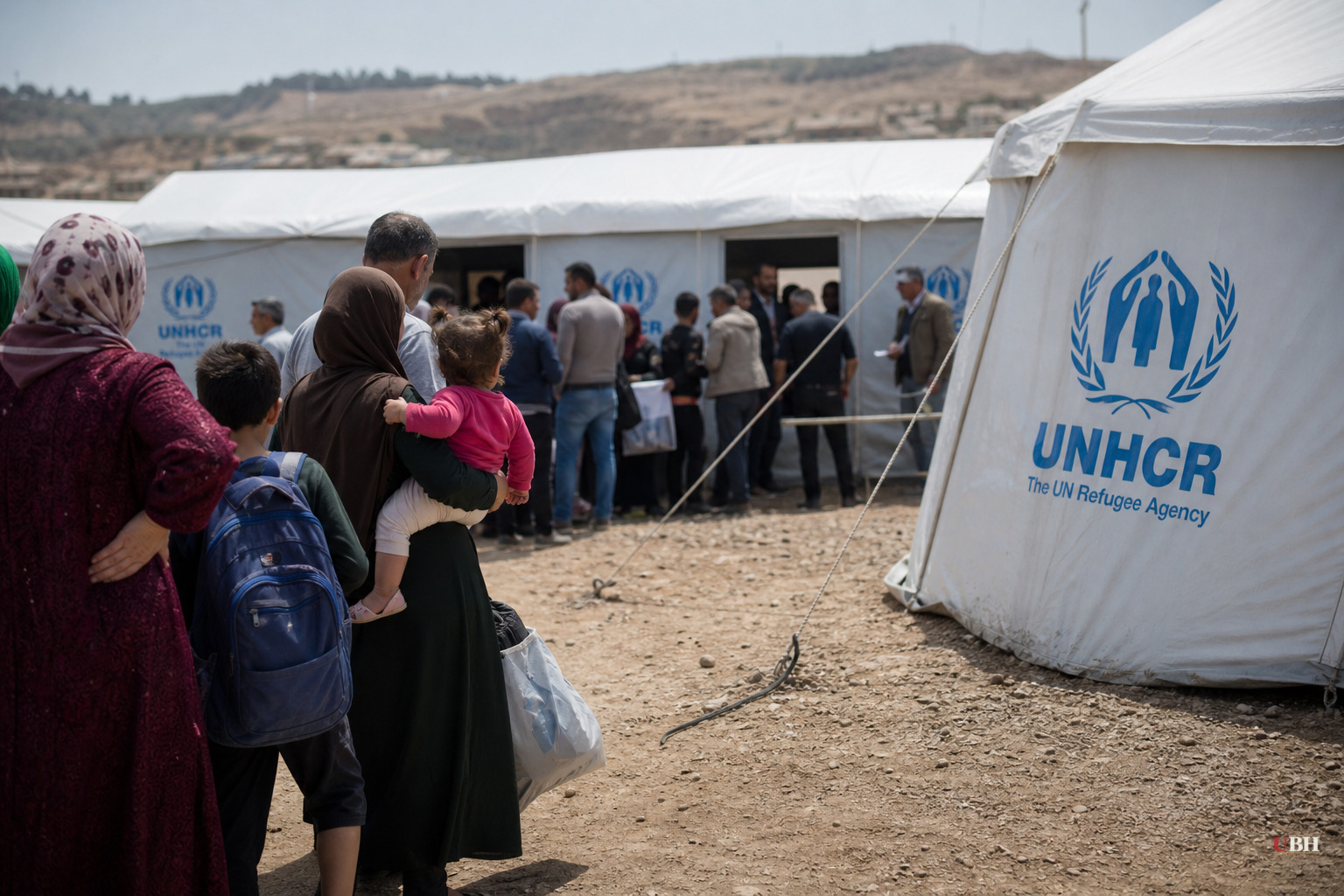
The Trump administration spent recent weeks weighing whether to cut ties with the U.N. refugee agency, according to Reuters, which cited eight sources including diplomats, aid officials, and a congressional source. A decision was reportedly expected last week. It didn't come. Diplomats involved in the lobbying effort say that delay might mean their pressure campaign worked, at least for now.
Washington has historically been UNHCR's largest donor. The agency was created after World War Two to help people fleeing war and persecution, and it's currently dealing with what diplomats describe as near-record levels of global displacement, driven by conflicts in Ukraine, Sudan, and elsewhere.
What Sparked This
Five of the eight sources told Reuters the dispute traces back to last month's appointment of Tressa Rae Finerty, a U.S. career diplomat, as UNHCR's deputy high commissioner. U.N. Secretary-General Antonio Guterres and the U.N. High Commissioner for Refugees were involved in that appointment process. Reuters' reporting cuts off before fully explaining what specifically about Finerty's appointment triggered the administration's irritation, but the timing lines up. The internal U.S. deliberations over leaving UNHCR followed directly after that appointment.
According to Reuters, UNHCR told its supporters the agency could end up on a U.S. blacklist, which would cut off funding entirely, and that Washington could also pull out of UNHCR's governing Executive Committee. That's a serious threat. Losing the Executive Committee seat would strip the U.S. of a formal vote in how the agency is run, not just the money.
The Lobbying Campaign
One source at an aid group involved in the talks told Reuters: "People have been alerted by UNHCR to call friends in the administration. They are at least thinking about it." Another diplomat said UNHCR officials asked supporters in the past week to use every available diplomatic channel to press the U.S. to keep supporting the agency.
This represents a direct description of an influence campaign by an international agency actively working U.S. political and diplomatic contacts to head off a funding cutoff. Whether that's appropriate lobbying or an agency circling the wagons depends on where you sit.
What the State Department Actually Said
Here's where the story gets less dramatic than the Reuters framing might suggest. A State Department spokesperson told Reuters there have been no changes to Washington's engagement with UNHCR. The exact quote: "As with many other international organizations, we work with and through UNHCR when doing so is useful to advance U.S. foreign policy interests or save lives."
The spokesperson added that the U.S. will "continue to evaluate the United States' role in international organizations," pointing back to a February 2025 executive order that directed a broad review of U.S. participation and funding across international bodies. That's not a denial that internal debate happened. It's also not confirmation of any decision, imminent or otherwise.
U.N. spokesperson Stephane Dujarric said the U.N. has "no comment on this issue because we have no information on it." A UNHCR spokesperson did not respond to Reuters' request for comment.
The Bigger Pattern
This fits a pattern that's been running since Trump's second term began last year. The administration has cut funding for multiple U.N. agencies and withdrawn from dozens of U.N. entities, including the World Health Organization. Trump officials have also pushed other countries to join a broader campaign to roll back asylum protections internationally.
From a fiscal-responsibility standpoint, that's a defensible instinct. The U.S. has long shouldered a disproportionate share of U.N. agency funding, and demanding accountability for how that money gets spent, and who gets appointed to run these bodies, isn't unreasonable. If an agency is picking leadership in ways Washington sees as working against U.S. interests, raising the funding question is a legitimate lever, not an act of bad faith.
The counter-concern, raised implicitly by the diplomats and aid officials in this reporting, is that pulling U.S. money from UNHCR at a moment of record global displacement would hit refugee operations hard, fast, and with little warning. That's a real operational risk if it happens. But it hasn't happened. No blacklisting has occurred. No formal withdrawal from the Executive Committee has been announced.
What's confirmed: internal U.S. deliberations took place, a decision was expected and didn't materialize, and an active diplomatic full-court press is underway to keep the money flowing. What's unconfirmed: whether the Trump administration actually intends to follow through, what specifically about Finerty's appointment set this off, and whether the February 2025 executive order review will produce a formal recommendation on UNHCR in the coming weeks. Reuters' sources say the delay may reflect the lobbying working. It may also just reflect that no decision has been made yet either way.
Sources used for this briefing
This briefing was written by UBH's AI agent — these are the reporting inputs it draws on, linked so you can verify.


