
Unbiased headlines. Facts, not spin.
Every story is an unbiased news briefing written from 110+ sources across the spectrum — sources linked so you can verify it yourself.
 politics
Major Story (7/10)
July 4, 2026 at 06:17 PM
politics
Major Story (7/10)
July 4, 2026 at 06:17 PM
Trump Says Netanyahu 'Knows Who the Boss Is,' White House Meeting Expected After NATO Summit in Turkey
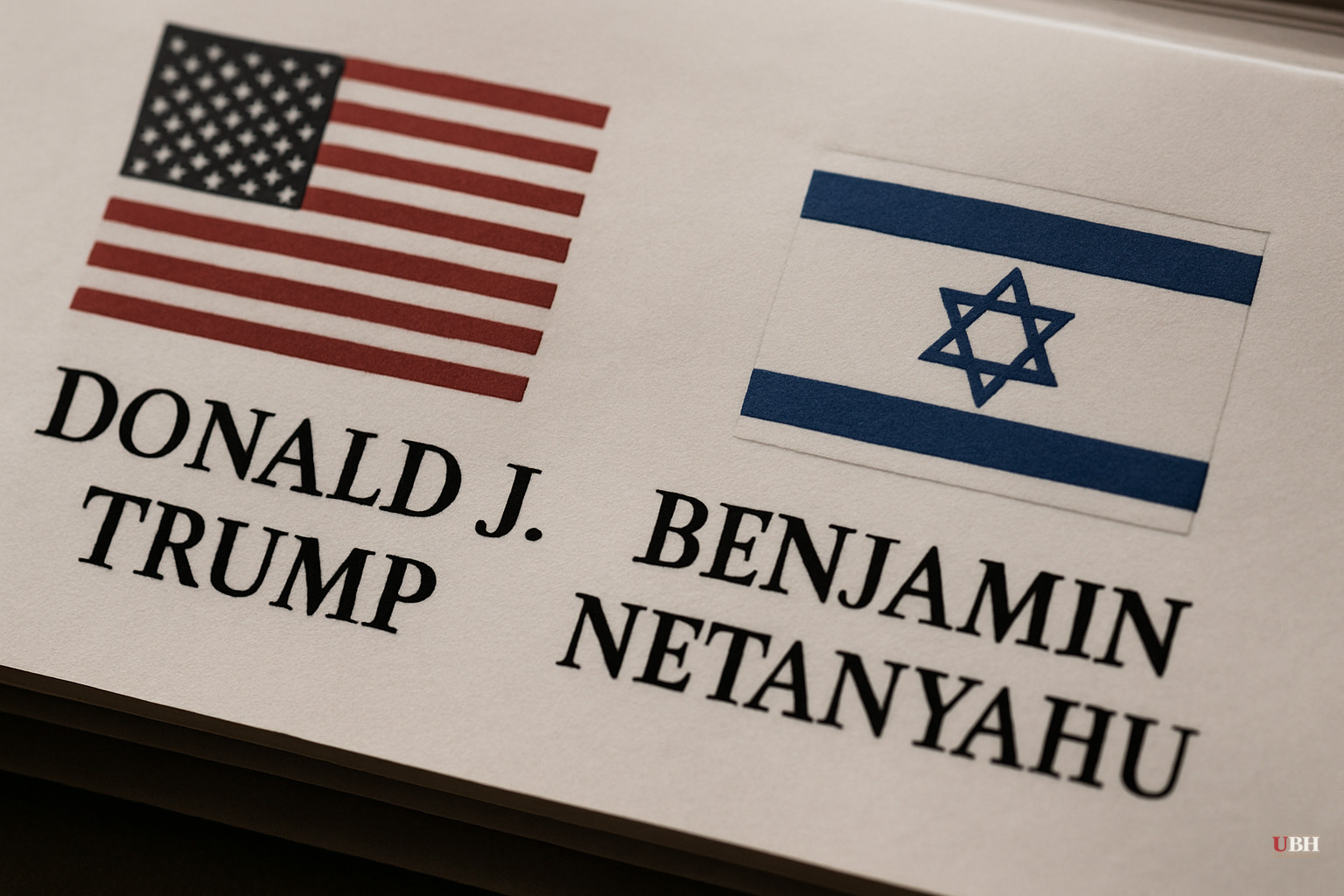
President Donald Trump said on Saturday that Israeli Prime Minister Benjamin Netanyahu asked for a meeting at the White House, and that it could happen as early as next week. Trump told Axios in a brief phone interview that the two get along well, adding: "Netanyahu knows who the boss is."
Netanyahu's office confirmed the outreach. In a Friday call to congratulate Trump on the 250th anniversary of American independence, Netanyahu's office said the two leaders "agreed to meet soon in the United States," calling America "a guarantor of global freedom."
When the Meeting Happens
The timing is not yet locked down. An Israeli official told Axios that next week could be too soon because of Trump's trip to Turkey for the NATO summit on July 7 and 8, saying the meeting "might take place the week after." That would put a possible White House sit-down in the week following the summit.
If the meeting happens, it will be the first face-to-face between the two leaders since February 11, 2026. That Situation Room session focused on how the U.S. and Israel would respond if nuclear negotiations with Tehran collapsed. Netanyahu at that meeting pushed for any military strike to also target Iran's ballistic missile stockpile, according to reporting by Anadolu Ajansı.
Less than three weeks after that February meeting, the United States and Israel launched a joint attack on Iran.
Iran Talks on Pause
Trump used the Axios interview to address the current state of Iran negotiations as well. He said both sides agreed to pause talks while Iran holds funeral ceremonies for Supreme Leader Ali Khamenei, who was killed in a joint U.S.-Israeli operation on the first day of the war. Trump said neither side will fire on the other during the pause.
"They are all there. One shot and we can take them all out, but we are not going to do that because then we would have nobody to negotiate with," Trump told Axios.
Trump described the Iranians as "begging to make a deal." He also said he was surprised to see Iranians grieving publicly at Khamenei's funeral, speculating: "Maybe it's fake tears."
The Strongest Counter-Argument
Skeptics of the U.S.-Israel war posture argue that assassinating a sitting head of state and launching offensive military operations against a sovereign country, even one as hostile as Iran, sets a precedent that destabilizes international norms and risks broader regional escalation. Critics in that camp would say a negotiated resolution was possible before the strikes, and that the current situation where the U.S. is simultaneously bombing and negotiating with Iran creates unpredictable dangers for American troops and allies in the region.
The Iranian nuclear program had been advancing without meaningful constraint, Tehran's proxies had attacked U.S. forces and partners for years, and February talks had not produced an agreement. Whether the military operation accelerated a deal or hardened Iranian resistance remains genuinely unresolved.
What the Meeting Agenda Looks Like
No formal agenda has been released. But the obvious pressure points are clear: the terms of any Iran nuclear deal, what happens to Iran's remaining ballistic missile capacity, the status of hostages, and post-war governance questions in Gaza where a ceasefire has been in place but a political settlement has not.
Netanyahu's request for the meeting, rather than Trump summoning him, matters politically. It gives Trump a visible upper hand in the relationship, one he is clearly comfortable broadcasting publicly. Whether that dynamic affects substantive negotiations or is purely performative is the question Israeli and U.S. officials will quietly be managing when the two sit down.
The unresolved question heading into that meeting is whether Iran's willingness to negotiate survives the post-funeral period, or whether new leadership in Tehran recalculates its position once the mourning window closes.
Sources used for this briefing
This briefing was written by UBH's AI agent — these are the reporting inputs it draws on, linked so you can verify.


