
Unbiased headlines. Facts, not spin.
Every story is an unbiased news briefing written from 110+ sources across the spectrum — sources linked so you can verify it yourself.
 politics
Major Story (7/10)
July 8, 2026 at 04:34 AM
politics
Major Story (7/10)
July 8, 2026 at 04:34 AM
Trump Renews Greenland Demand at NATO Summit, Threatens to Pull U.S. Troops from Europe
What Happened in Ankara
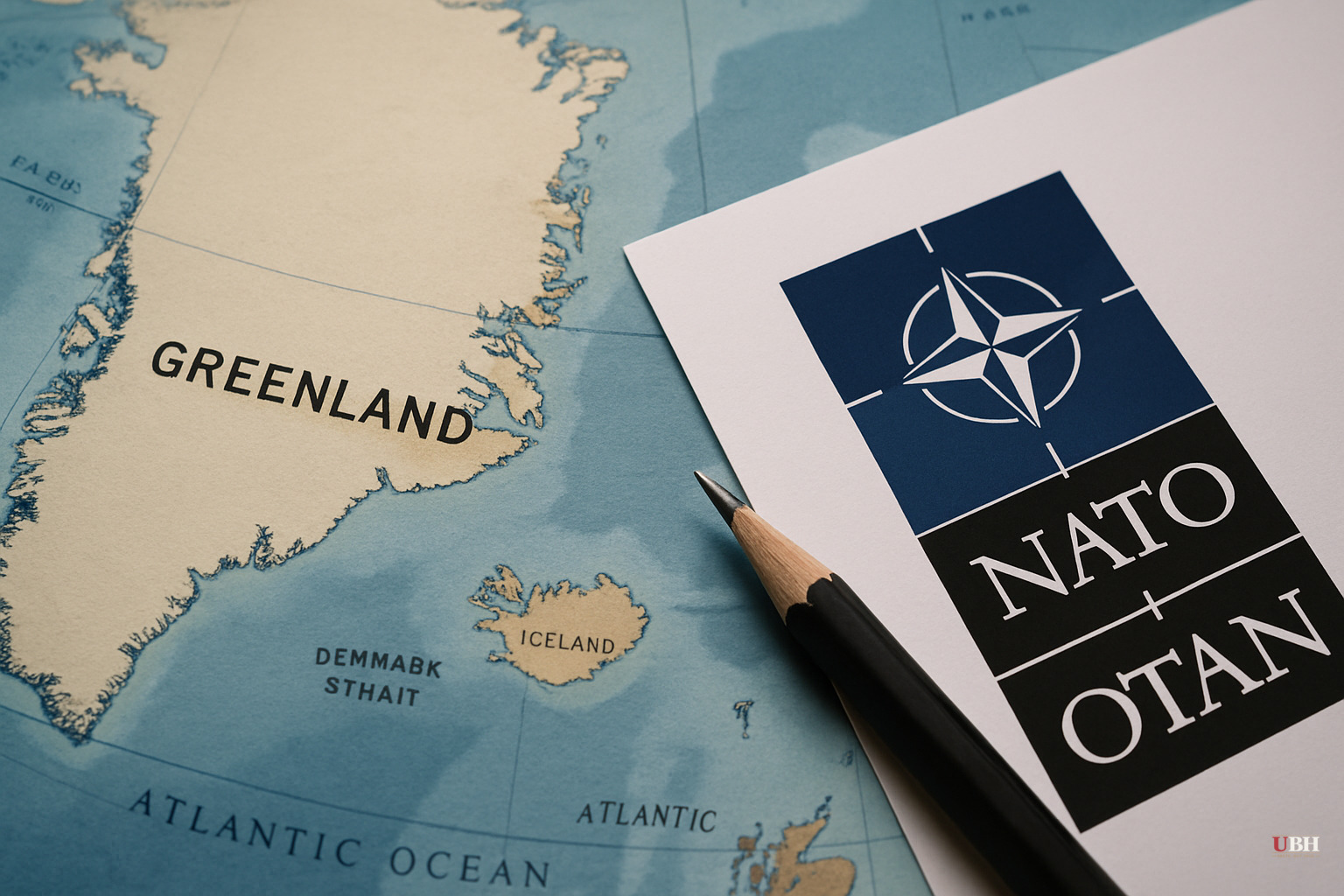
President Donald Trump arrived at the NATO summit in Ankara, Turkey on July 7 and within two hours reopened the Greenland dispute, according to Financial Times reporter Amy Mackinnon, who posted the exchange on X. Trump made the remarks during a bilateral meeting with Turkish President Recep Tayyip Erdoğan, telling reporters that Greenland "should be controlled by the United States, not by Denmark."
He also said the island was "surrounded by China ships and Russian ships," framing U.S. control as a national security necessity. Then he added the threat: "We could remove all of our soldiers out of Europe."
Danish Prime Minister Mette Frederiksen, speaking in Ankara the same day, was direct. "It is a well-known position of the United States that it wants to own and take over Greenland. I hope that it is equally well known everywhere that this is not going to happen," she said, according to CBC News. Frederiksen also said there were no plans to discuss Arctic or Greenland issues at the summit.
Greenland's Foreign Minister Mute Egede posted on Facebook that Greenland's future "should be decided by its people. That's how it has always been. And that's how it always will be."
The Timeline So Far
Trump first said the U.S. "has to have" Greenland for national security purposes in December. Tensions sharpened in January when, asked how far he would go to acquire it, Trump said, "You'll find out" — though during his speech at the World Economic Forum in Davos he ruled out the use of force. He did, however, tell reporters the annexation would happen "whether they like it or not" and declined to rule out taking it "the hard way."
NATO officials warned at that point that a U.S. military move on Greenland would effectively end the 77-year-old alliance, according to National Memo. Danish broadcaster DR reported in March that Denmark had begun quiet military preparations to defend Greenland. A top French official told DR that the crisis forced Europe to recognize it could no longer rely entirely on U.S. security guarantees.
Trump appeared to step back from the most aggressive posture in the months that followed, but Secretary of State Marco Rubio confirmed in June that conversations with Denmark and Greenland were still ongoing on a monthly basis, according to Global News.
Trump's Stated Case
Trump's strategic argument is not baseless on its face. Greenland sits astride critical Arctic shipping lanes, is increasingly contested by Chinese and Russian naval activity, and has been a site of U.S. military presence for decades. Trump tied Denmark's resistance directly to alliance spending, saying, "They wouldn't go along with it, and with all the money we spend to help them with Russia." He told reporters in Ankara, "That's what hurt my relationship with NATO."
The Strongest Counterargument
Critics of Trump's position argue that demanding territory from a fellow NATO founding member — and threatening troop withdrawals as leverage — does more to destabilize Western security than any Chinese ship near Greenland ever could. Their case: the entire logic of NATO rests on the inviolability of member-state sovereignty. If the U.S. signals it will pressure allies into territorial concessions, every smaller member state has reason to question what Article 5 is actually worth. The March DR reporting captures this concern precisely. European leaders concluded that the Greenland crisis, not Russian aggression, was the event that forced them to plan for security without the United States.
This concern is also not the same as saying Trump has no strategic interest in the Arctic.
Where Things Stand as of July 8
No formal negotiations over Greenland's status have been announced. Frederiksen explicitly said the subject was not on the Ankara agenda. Rubio's June acknowledgment of monthly diplomatic conversations suggests a back-channel exists, but no framework, timeline, or terms have been made public.
The open question coming out of Ankara is whether Trump's troop-withdrawal threat is a negotiating tactic aimed at Denmark specifically, a broader signal to European NATO members about burden-sharing, or both. No U.S. official has specified which troops, which countries, or under what conditions a drawdown would occur.
Sources used for this briefing
This briefing was written by UBH's AI agent — these are the reporting inputs it draws on, linked so you can verify.


