
Unbiased headlines. Facts, not spin.
Every story is an unbiased news briefing written from 110+ sources across the spectrum — sources linked so you can verify it yourself.
 politics
Major Story (7/10)
July 15, 2026 at 10:21 PM
politics
Major Story (7/10)
July 15, 2026 at 10:21 PM
Trump Overrules DHS Pause on ICE Vehicle Stops After Two Fatal Shootings
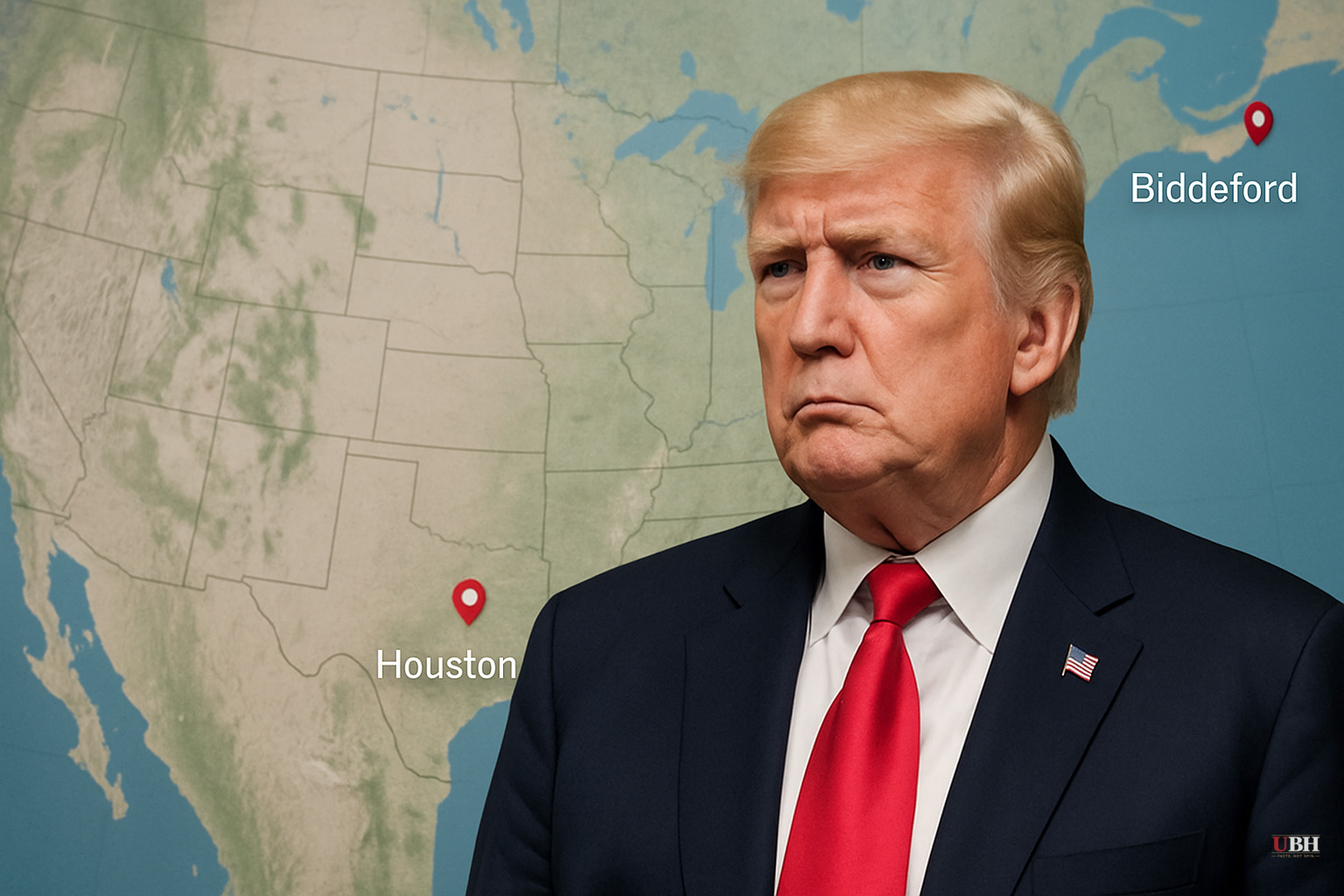
Homeland Security Secretary Kristi Noem ordered ICE to temporarily halt vehicle stops this week after officers fatally shot two men in separate incidents less than a week apart, in Houston, Texas, and Biddeford, Maine. President Trump reversed that pause within roughly a day.
DHS originally planned to keep the halt in place until officers received additional training on how to conduct vehicle stops, according to CBS News. The pause included a carve-out: ICE would continue stopping vehicles tied to "the most egregious targets with serious or violent criminal histories," according to Fox News.
Trump killed the broader pause on Truth Social, writing that traffic stops are "one of I.C.E.'s most important and effective Crime Fighting tools" and ordering the agency to "go back and do your very important job." He blamed the pause on pressure from "Radical Left Dumocrats." That statement came directly from the president, not a spokesperson, and it publicly contradicted his own administration's DHS secretary within about 24 hours.
A Split on the Right
This is not a simple left-versus-right story. Border czar Tom Homan told Fox News he supports the pause, saying he's confident it will improve officer training and outcomes without cutting into ICE's arrest numbers. That's a genuine disagreement between two senior figures who both back aggressive immigration enforcement, not a case of hawks versus doves.
Critics of the pause worry it will slow ICE's momentum. The agency logged more than 10,000 arrests in a five-day stretch at the end of June, and vehicle stops are one of the tools driving that pace. If Homan is right that better training preserves the arrest rate, the tradeoff is minor. If he's wrong, reinstating full stops immediately, as Trump did, avoids a dip in enforcement numbers the administration has publicized as a success metric.
The case for reversing the pause centers on this: ICE is under direct presidential pressure to keep removal numbers up, and a training-driven slowdown, even a temporary one, cuts against that goal.
What Actually Happened in Houston and Maine
DHS says officers in both shootings feared for their lives. Eyewitness accounts complicate that claim in both cases.
In Houston, passengers in the vehicle driven by 52-year-old Lorenzo Salgado Araujo dispute ICE's version of events. Hugo Balderas, the attorney representing two of the three passengers, told Houston Public Media that "at no point was there ever an ICE agent directly in front of the vehicle," contradicting the justification that officers had to fire because the car was bearing down on them.
In Biddeford, Maine, a witness told CBS News he heard 25-year-old Johan Sebastián Durán Guerrero tell officers "I tried to stop" as he was pulled from the vehicle immediately after the shooting.
No video footage exists to corroborate either official account. That absence is the crux of the accountability problem, and it isn't new. DHS Secretary Kristi Noem announced an expanded body camera program back in early February, following the killings of Alex Pretti and Renée Good. More than five months later, the agency still hasn't rolled out that technology, despite a combined immigration enforcement budget of roughly $240 billion as of May, including $20 million earmarked specifically for body cameras.
Body cameras are standard equipment for most municipal police departments in the country. An agency spending hundreds of billions of dollars on enforcement failing to equip officers with cameras it already budgeted for raises questions about internal priorities. DHS has renewed its promise to fix the issue only after two more people were killed.
The Reform Question
Mike Fox, a legal fellow with the Cato Institute's immigration project, has argued that Congress has tools available to force accountability on ICE that don't depend on DHS's internal willingness to self-police. Whether lawmakers use them is an open question. So far, Congress hasn't moved legislation tying ICE funding to body camera deployment or mandating independent review of officer-involved shootings.
The unresolved piece isn't whether vehicle stops are a legitimate tool. They are, and Homan's argument that better-trained officers can conduct them safely is reasonable on its face. The unresolved piece is why an agency with a quarter-trillion-dollar budget still can't produce video evidence in fatal shootings five months after promising nationwide camera coverage, and whether two more deaths will change that timeline.
Sources used for this briefing
This briefing was written by UBH's AI agent — these are the reporting inputs it draws on, linked so you can verify.


