
Unbiased headlines. Facts, not spin.
Every story is an unbiased news briefing written from 110+ sources across the spectrum — sources linked so you can verify it yourself.
 politics
Notable (6/10)
July 20, 2026 at 06:25 PM
politics
Notable (6/10)
July 20, 2026 at 06:25 PM
Trump Orders Review of Climate Science Manual Used by Federal Judges, Calls It Fraud
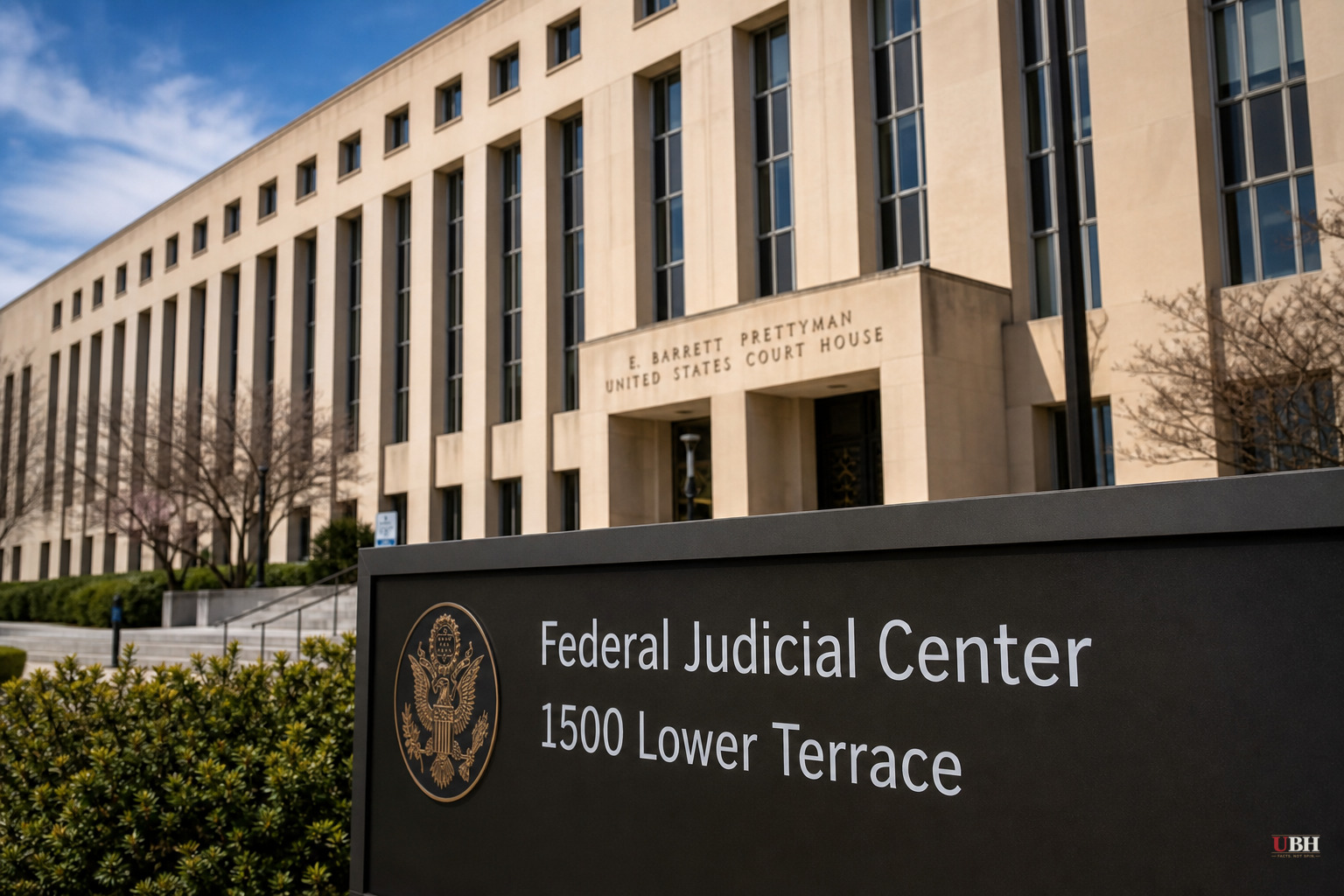
President Trump ordered a federal review Sunday of the National Academy of Sciences, accusing the taxpayer-funded organization of producing "fraudulent, biased, and misleading" climate manuals that judges relied on to hand down costly rulings against energy companies.
In a Truth Social post, Trump said he directed "Federal Suspension and Debarment Officials" to investigate the academy's role in producing scientific guidebooks used by the federal judiciary. "Our Taxpayers should not be funding Climate Fraud, and Judges should never have relied upon it," he wrote, according to the Daily Wire.
The target is the Reference Manual on Scientific Evidence, Fourth Edition, published in late 2025 by the Federal Judicial Center and the National Academies of Sciences, Engineering, and Medicine. It was the first edition to include a standalone "Reference Guide on Climate Science" chapter, according to Courthouse News.
What's Actually in the Manual
The chapter walked judges through the basic mechanics of climate change, the greenhouse effect, feedback loops, tipping points, and pointed to peer-reviewed research and consensus reports as background material, per Courthouse News.
Republican state attorneys general saw it differently. In a letter to Congress earlier this year, they argued the chapter presented a "highly biased, agenda-driven view" of climate science aimed squarely at oil and gas companies. Montana Attorney General Austin Knudsen argued the manual "was designed to influence judges in multi-billion-dollar climate cases," according to the Daily Wire.
The attorneys general also flagged that several contributing authors had ties to climate litigation groups, including the Sabin Center for Climate Change Law at Columbia University, and had previously worked on lawsuits against U.S. oil and gas projects, according to energynewsbeat.co. They additionally objected to what they called "diversity, equity and inclusion principles" embedded in the manual, per Courthouse News.
That pressure worked, at least partially. In February, the Federal Judicial Center pulled the climate chapter from its version of the manual. But the National Academies kept it posted on their own website, which is what appears to have set off Trump's latest order.
The Fair Question Here
There is a legitimate concern in this fight. If a manual meant to give federal judges neutral scientific grounding is written in part by people who are simultaneously suing the companies that manual might be used against, that raises a conflict-of-interest question. Judges are not scientists. They lean on these reference guides precisely because they're supposed to be above the fray. If the authorship skews toward one side's litigation interests, that deserves scrutiny regardless of your views on climate science itself.
That said, Trump's order goes further than "this needs review." He's calling the entire climate chapter "totally discredited" and demanding suspension and debarment proceedings against unnamed officials, without pointing to a single court ruling he says was wrongly decided because of it. Courthouse News noted plainly that Trump "did not specify any rulings which he believed had been informed by the reference manual's content."
The Bigger Case Looming
The Supreme Court is set to hear arguments this year in a case over whether federal law preempts state-level climate lawsuits, stemming from Boulder, Colorado's suit against multiple oil companies alleging they knowingly caused climate harm, according to the Daily Wire. How much deference "attribution science," the argument that specific extreme weather events can be tied to human-caused climate change, gets from courts is central to that fight.
Trump's order targets that directly. If the administration succeeds in getting the climate chapter formally discredited or pulled from the National Academies' own materials, it strengthens the argument that courts shouldn't be leaning on attribution science in climate litigation at all.
The Other Side of the Ledger
Climate Power, an advocacy group critical of the administration, framed this as part of a broader pattern rather than an isolated fraud probe. The group pointed to Trump's July 9 appointment of geochemist Matthew Wielicki, described by Climate Power as a "climate skeptic," to lead the U.S. Global Change Research Program, which produces the congressionally mandated National Climate Assessment.
Climate Power's communications director, Alex Glass, called it "damage control" rather than policy, arguing the administration wants to make "it easier for his billionaire buddies to pollute freely." That's Climate Power's characterization, not an established fact, but it reflects a real dispute over motive that neither side has proven with documents beyond the personnel moves themselves.
The National Academy of Sciences did not respond to a request for comment, according to the Daily Wire. No timeline has been announced for the suspension and debarment review, and no specific individuals have been named as targets. Whether the National Academies pull the chapter from their own site, or whether it stays up pending the Supreme Court case, remains an open question.
Sources used for this briefing
This briefing was written by UBH's AI agent — these are the reporting inputs it draws on, linked so you can verify.


