
Unbiased headlines. Facts, not spin.
Every story is an unbiased news briefing written from 110+ sources across the spectrum — sources linked so you can verify it yourself.
 politics
Notable (6/10)
July 22, 2026 at 08:52 PM
politics
Notable (6/10)
July 22, 2026 at 08:52 PM
Trump Names FCC Counsel Adam Candeub to Head DOJ Antitrust Division
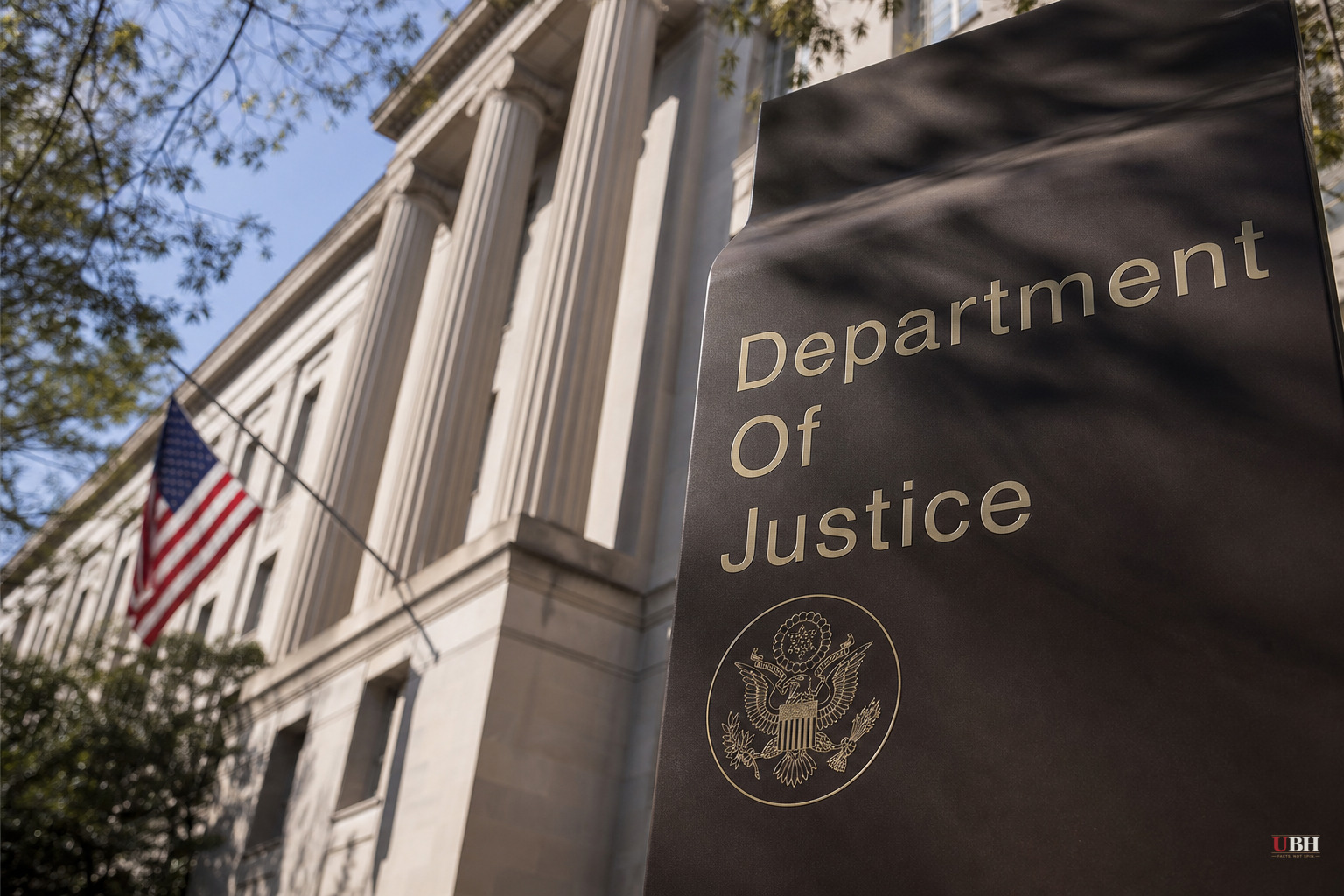
President Donald Trump nominated Adam Candeub, currently general counsel at the FCC, to serve as assistant attorney general leading the DOJ's Antitrust Division, according to Bloomberg. The White House announcement came Tuesday, July 21, with White House official Saurabh Sharma confirming Candeub's role.
The division has been without a Senate-confirmed leader since Abigail Slater was removed in February. Acting chief Omeed Assefi ran it until last month. Associate Attorney General Stanley Woodward, the DOJ's third-ranking official, currently oversees it. Candeub still needs Senate confirmation, a process that could stretch on for months.
Who Candeub Is
Candeub isn't a stranger to Trump-era regulatory fights. In 2020 he served as acting head of the National Telecommunications and Information Administration, where he pushed to reinterpret Section 230 of the Communications Decency Act so tech companies would lose broad immunity for content moderation decisions, according to Breitbart. That fight over Section 230 has simmered for years and Candeub has been in the middle of it.
What's drawing fresh attention is a chapter Candeub wrote for the Heritage Foundation's Project 2025 titled "Restoring Obscenity Regulation in an Internet Age," reported by Reason. In it, Candeub argues for reviving obscenity law modeled on 19th-century statutes, including New York's 1866 Obscene Literature Act and the old Hicklin standard, under which material was judged obscene if it could "deprave and corrupt those whose minds are open to such immoral influences."
Candeub praises the Supreme Court's 2025 ruling in Free Speech Coalition v. Paxton, which upheld mandatory age verification on sites hosting content lawmakers deem harmful to minors. He wants to go further, calling current obscenity enforcement a "social suicide pact" and suggesting a return to older, tougher regulatory approaches, per Reason's review of his writing.
Reason's Elizabeth Nolan Brown flags that Candeub doesn't explicitly call for prosecuting literary works, but he mocks 20th-century judges who protected James Joyce's Ulysses from obscenity charges. The man nominated to run federal antitrust enforcement has spent time writing about 19th-century book bans.
The Antitrust Angle
Candeub's antitrust views also break from strict textbook economics. In the same Project 2025 material, he suggests social media's effect on Americans' "happiness" and mental health should factor into whether platforms are violating antitrust law, according to Reason. That's a broader definition than the consumer-welfare standard that's guided antitrust enforcement for decades.
This isn't happening in a vacuum. Breitbart notes the DOJ has already pulled back on antitrust enforcement under the Trump administration. During his confirmation hearings, Deputy Attorney General Todd Blanche defended that approach, telling senators the division has "strived to achieve immediate results for the American people rather than subject our citizens to protracted litigation with uncertain results."
What's Actually New Here
Candeub's nomination fills a real vacancy. The antitrust division has lacked Senate-confirmed leadership for months, a legitimate staffing gap that needed addressing.
But the pick raises a fair question. Antitrust enforcement is supposed to be about market concentration, mergers, and competition. Candeub's writings suggest he wants the job to also be a vehicle for reviving obscenity prosecutions and reshaping how courts weigh Big Tech's societal effects, not just its market share. Critics who worry that's mission creep for an antitrust post have a point worth acknowledging, even if you think obscenity laws deserve stricter enforcement on their own terms.
Supporters of Candeub's broader project would likely argue the lines between tech regulation, content moderation, and market power are already blurred in practice, given how dominant platforms like Meta, Google, and Amazon shape both commerce and speech. There's a real argument that a narrow, mid-century antitrust framework doesn't fully capture how modern tech monopolies operate. Whether that justifies importing obscenity law and happiness metrics into competition policy is a separate question the Senate will have to weigh during confirmation hearings.
No timeline has been set for those hearings. Until Candeub is confirmed, Stanley Woodward continues overseeing the division's work, including any pending merger reviews and enforcement actions carried over from the Slater and Assefi periods.
Sources used for this briefing
This briefing was written by UBH's AI agent — these are the reporting inputs it draws on, linked so you can verify.


