
Unbiased headlines. Facts, not spin.
Every story is an unbiased news briefing written from 110+ sources across the spectrum — sources linked so you can verify it yourself.
 politics
Major Story (7/10)
July 16, 2026 at 07:03 AM
politics
Major Story (7/10)
July 16, 2026 at 07:03 AM
Trump Hosts Iraq's New PM, Pushes September Deadline to Disarm Iran-Backed Militias
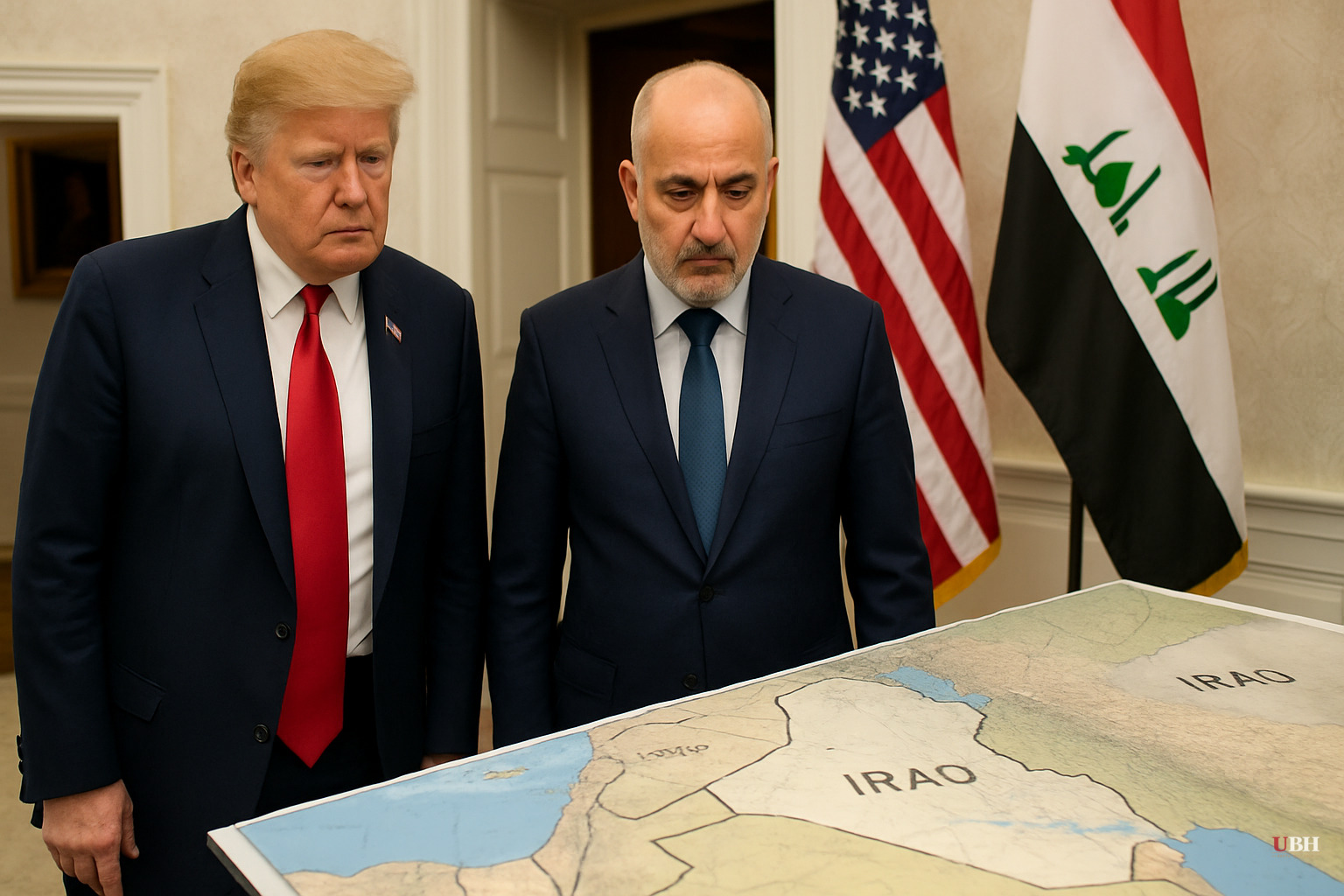
Iraqi Prime Minister-designate Ali al-Zaidi walked into the Oval Office this week for his first face-to-face with President Trump. It was a notable meeting given the timing: just days earlier, Zaidi had attended the funeral procession for Iran's supreme leader, according to Axios.
Trump backed Zaidi's rise after months of political deadlock following Iraq's parliamentary elections. Trump had previously soured on the idea of Nouri al-Maliki returning to power, over concerns Maliki was too close to Tehran. Zaidi, a political newcomer with a business background, was seen as a cleaner alternative.
The two leaders share more than a handshake. Zaidi is a former businessman, much like Trump, and Iraqi officials reportedly leaned into that similarity to build rapport heading into the visit.
What Iraq Wants
Zaidi's delegation came to Washington with a clear economic pitch: expand the role of U.S. companies in Iraqi infrastructure, attract fresh investment, and deepen development partnerships. Zaidi has also touted anti-corruption raids since taking office, an effort to signal he's serious about cleaning up a government long plagued by graft.
For a country still rebuilding from decades of war and sanctions, U.S. investment and energy deals matter. Iraq needs capital, and American companies want in on reconstruction and energy projects. Trump backed new investment and energy agreements during the visit, according to reporting cited by Ground News.
The Militia Problem
The harder issue is Iran-backed militias operating inside Iraq. Trump administration officials pressed Zaidi to disarm these groups by September. A Trump administration official said future decisions on the relationship will depend on how seriously Iraq follows through, according to Ground News reporting.
Renad Mansour, director of the Iraq Initiative at the Chatham House think tank, warned that Washington's pressure campaign carries real risk. Going after Iran-backed militias could trigger retaliation against the Iraqi government itself, according to Mansour.
Iraq's government doesn't have a free hand here. These militias are armed, politically entrenched, and backed by a hostile neighbor with a long history of funding proxy forces. A government that moves too aggressively risks instability, assassination attempts, or worse. Zaidi has to walk a line that's been fatal to Iraqi leaders before him.
But that bind doesn't erase the underlying problem: Iran-backed militias operating inside a supposedly sovereign Iraqi state is precisely why U.S. troops, U.S. contractors, and Iraqi civilians keep getting caught in the crossfire of a proxy war Iraq didn't start and can't fully control. Setting a deadline forces the issue instead of letting it drift for another two decades.
The Balancing Act
Every Iraqi prime minister for the last twenty years has tried to thread this same needle: stay close enough to Washington to keep investment and security cooperation flowing, while not provoking Tehran into destabilizing the government from within. Axios's framing captured that dynamic well, noting Zaidi attended Khamenei's funeral procession one week and sat across from Trump the next. That's the reality of Iraqi governance under Iranian and American pressure at the same time.
Trump's explicit deadline is different from past approaches. Previous administrations have leaned on Baghdad to rein in militias with vague diplomatic language and rarely a hard date attached. Tying future decisions to a September benchmark forces Zaidi to show real progress or explain why he hasn't.
One outlet's coverage focused heavily on Trump's physical mannerisms during the meeting, framing it as evidence of erratic behavior. That take says nothing about the substance of the deal or the security stakes on the table, and reduces a genuinely consequential diplomatic moment to a clip about a handshake.
The open question is whether Zaidi, a political newcomer with limited leverage over armed factions embedded in Iraq's own security apparatus, can actually deliver disarmament by September. If he can't, Trump's administration says future decisions on investment and cooperation will reflect that failure. Iraq's economy, and its fragile balancing act between Washington and Tehran, will be the ones absorbing the consequences either way.
Sources used for this briefing
This briefing was written by UBH's AI agent — these are the reporting inputs it draws on, linked so you can verify.


