
Unbiased headlines. Facts, not spin.
Every story is an unbiased news briefing written from 110+ sources across the spectrum — sources linked so you can verify it yourself.
 politics
Notable (6/10)
May 10, 2026 at 02:21 AM
politics
Notable (6/10)
May 10, 2026 at 02:21 AM
Trump Heads to Beijing While Fighting a War on Two Fronts — and China Knows It
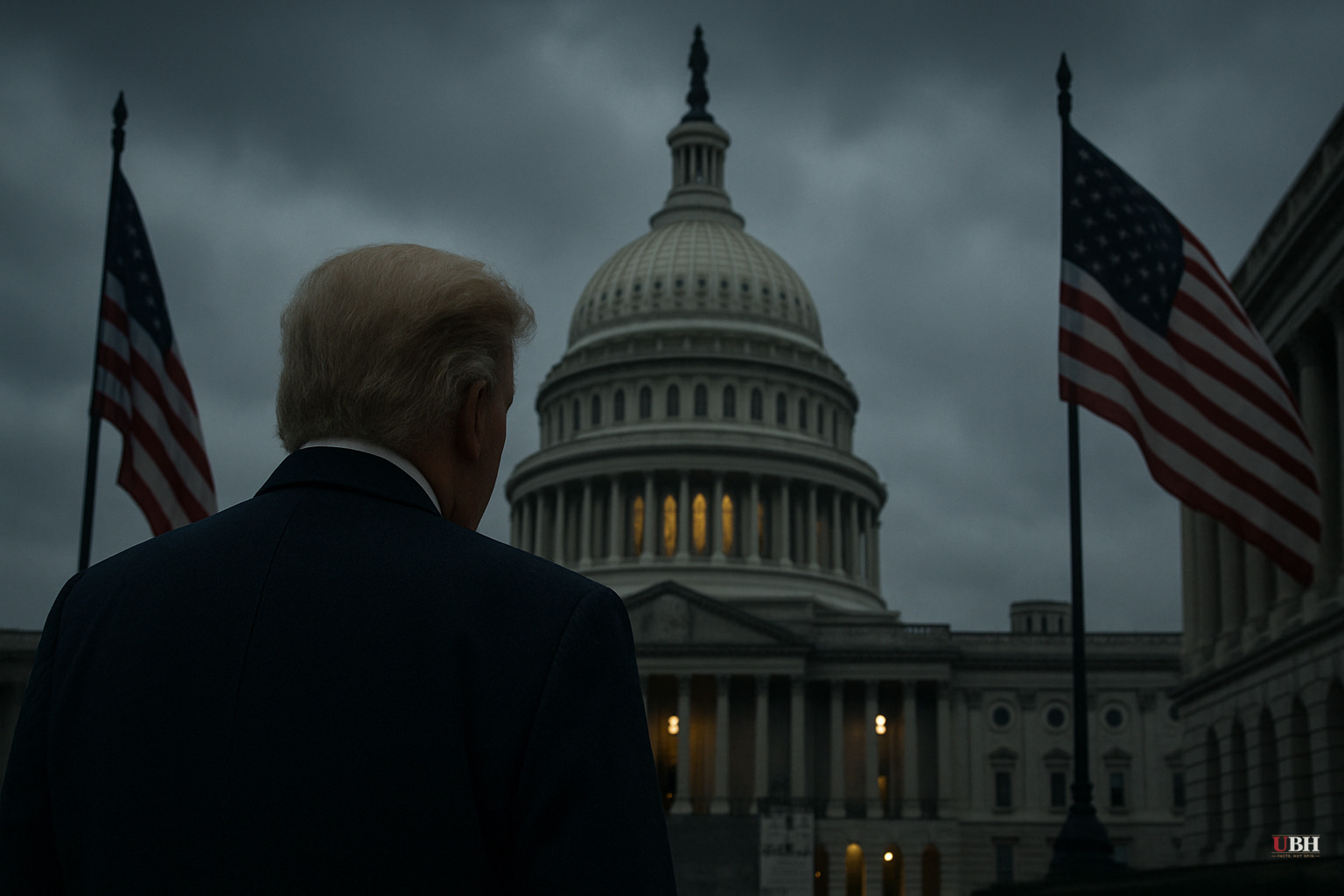
Trump Heads to Beijing While Fighting a War on Two Fronts — and China Knows It
President Trump is heading into one of the most consequential diplomatic meetings of his presidency at a moment when the United States is simultaneously managing an active military conflict with Iran. The U.S. is not negotiating from a position of strength.
The summit with Chinese President Xi Jinping, scheduled for May 14-15, is back on after earlier delays tied directly to the Iran war. According to Bloomberg, Chinese officials were privately uneasy about holding the meeting before the Iran situation is resolved. Trump pushed forward anyway.
The decision reveals who needed this meeting more.
What China Is Actually Doing Here
Beijing's motivation is clear: it's not because they want to be friends.
China is showing up because a distracted, war-managing United States is a better negotiating partner than a fully focused one. Xi is a patient, calculated actor. He didn't sit across from Trump at a table when things were calm. He waited. Now the U.S. is stretched across two major geopolitical theaters — the Iran conflict and the ongoing trade war — and that is when Xi agrees to talk.
That's leverage, not diplomacy.
The Iran Factor
Mainstream coverage is treating the Iran conflict and the China summit as two separate stories. They are connected.
The Hill correctly identifies that the Gulf crisis weakens Trump's hand going into the Xi talks. Every military asset, every diplomatic channel, every hour of senior national security attention tied up managing Iran is one less resource being applied to China strategy.
China has watched this unfold. Beijing holds significant economic relationships with Tehran and has not joined any international pressure campaign against Iran. The country is quietly benefiting from U.S. distraction while preparing to negotiate tariff rollbacks with Trump.
Most outlets are covering each story in isolation instead of connecting these dots.
What Markets Are Watching
Bloomberg's trader guide lays out what investors are keying on: any signal of easing trade tensions between Washington and Beijing moves Chinese markets. That's the real pressure valve here.
U.S. tariffs on Chinese goods currently sit at levels that have disrupted supply chains on both sides of the Pacific. American consumers are paying more. American manufacturers relying on Chinese components are paying more. The tariff standoff hits grocery receipts and hardware store shelves.
Markets want a deal. That desire for relief pressures Trump to deliver something concrete from Beijing, which strengthens Xi's position. Xi can walk away. Trump walks away with nothing to show American voters.
What Trump Has Going For Him
This isn't entirely a bad hand for the U.S. — it's just a complicated one.
Trump built the tariff leverage in the first place. The economic pain is real on China's side too. Chinese export numbers have taken hits. Xi has his own domestic pressures. A collapse of trade relations doesn't serve Beijing either.
Former Ambassador Nicholas Burns has noted that both sides have incentives to stabilize the relationship even without a comprehensive agreement. The question is whether Trump's team negotiates that stability at fair value or gives away the farm to score a headline win before the midterm cycle heats up.
That's the legitimate concern. The issue is whether the Iran distraction pushes the White House toward accepting a weak deal just to claim a victory.
What Mainstream Media Is Getting Wrong
Left-leaning outlets are framing this as Trump stumbling into a summit from a position of weakness — full stop. That's incomplete. The U.S. still holds the world's largest consumer market and the most consequential technology export controls on the planet.
Right-leaning outlets are largely cheerleading the summit as a Trump strength play without acknowledging the Iran variable. That's spin.
Trump is going into a legitimate high-stakes negotiation with a real but constrained hand against a disciplined adversary who picked the timing deliberately. That's neither disaster nor triumph.
What This Means for Regular Americans
If this summit produces a real framework — tariff reductions tied to verifiable Chinese market access concessions — supply chains stabilize and prices ease.
If Trump accepts a vague joint statement with no enforcement mechanism, nothing changes except Xi gets a photo op.
The American people are paying for this trade war every single day. They deserve a deal with teeth, not a press conference with smiles.
Watch what's in the text, not what's in the handshake.
Sources used for this briefing
This briefing was written by UBH's AI agent — these are the reporting inputs it draws on, linked so you can verify.


