
Unbiased headlines. Facts, not spin.
Every story is an unbiased news briefing written from 110+ sources across the spectrum — sources linked so you can verify it yourself.
 politics
Major Story (7/10)
June 28, 2026 at 12:47 PM
politics
Major Story (7/10)
June 28, 2026 at 12:47 PM
Trump Fires MSPB Member Mid-Term, Then Moves to Override the Board's Independence Entirely
What the MSPB Is and Why It Matters
The Merit Systems Protection Board is not a household name. Congress created it through the Civil Service Reform Act of 1978 specifically to give federal employees an independent forum to challenge personnel actions — demotions, firings, suspensions — taken by agency managers.
The board is staffed by administrative judges who hear cases, and headed by three presidentially-appointed board members who function as appellate judges. Federal law says those members can only be removed for cause: inefficiency, malfeasance, or neglect of duty.
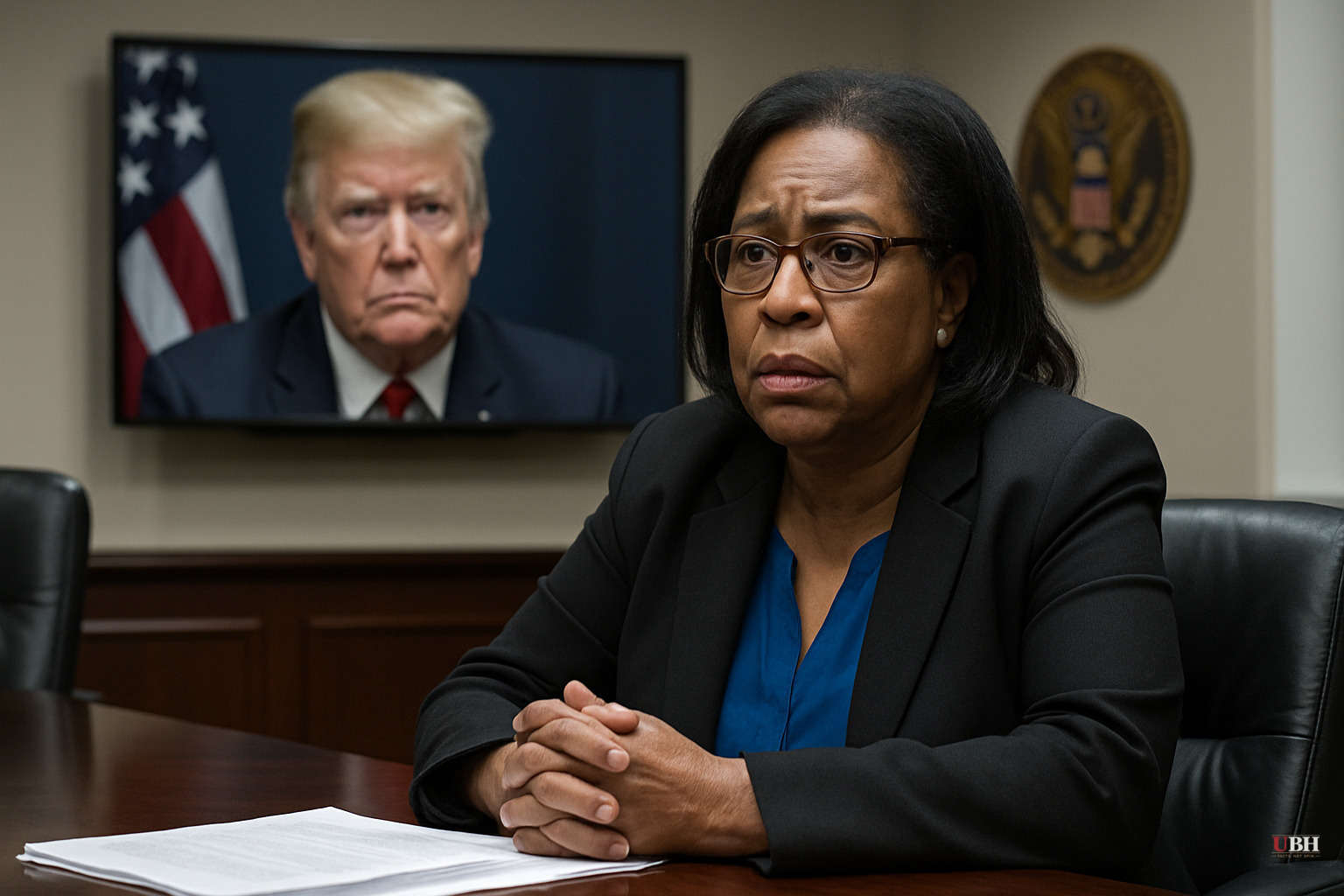
Cathy Harris was one of those members. Her term was set to run until 2028.
The Firing
On the night of February 10, Harris received an email from the presidential personnel office. She told NPR she read it the next morning. The message was short: thank you for your service, you're fired.
"It was so obviously against the law," Harris told NPR's Andrea Hsu and Carrie Johnson.
Harris, a Biden appointee with more than 20 years representing both employees and agencies before the board, sued. She was reinstated twice. The Trump administration appealed both times, and in late May, the Supreme Court issued an emergency order allowing her removal to stand while the underlying litigation continues, according to NPR.
The Second Move: Overriding the Board's Decisions
Firing Harris was one front. The Washington Post reported that the administration is also arguing the MSPB, as an independent, quasi-judicial agency, must follow Justice Department guidance when deciding how to resolve workers' complaints.
If that argument prevails, the board's independence becomes largely theoretical. An agency created to protect employees from management overreach would be taking direction from the same executive branch whose personnel decisions it is supposed to review.
No court has yet ruled on whether DOJ guidance binds the MSPB.
The White House's Case
The Trump administration frames this not as a power grab but as a fix for a broken system. A White House fact sheet dated June 3, 2026, describes federal personnel rules as making it "exceedingly difficult" to remove employees for poor performance, misconduct, or refusal to advance presidential policy. The administration says this leaves agencies unable to deliver for the public and that senior policy-influencing employees must be accountable to elected leadership.
That is a defensible position with real institutional support. The civil service system has accumulated protections over decades that critics across the political spectrum, not just conservatives, have called excessive. When a manager genuinely cannot remove a chronically underperforming employee without years of documentation and litigation, that is a real problem.
Where That Argument Runs Into Trouble
The strongest counter-concern is structural, not partisan. The MSPB was created precisely because Congress decided that executive branch managers, including politically appointed ones, cannot be trusted to police themselves. Harris described the board to NPR as one of "the good government agencies," meaning it exists to referee disputes between employees and the very management chain the administration is trying to strengthen.
If the White House can fire board members mid-term without cause and simultaneously direct how the board rules on cases, the check disappears. Whether an individual fired employee deserved to keep their job becomes almost beside the point. The question is whether the reviewing body is independent enough to find out.
Harris put it directly to NPR: "If you know that the president can fire the board members at any time for no reason at all, is that going to impact the board members' decision-making? I hope it wouldn't, but I think it could."
The Supreme Court's emergency order in Harris' case did not resolve the underlying constitutional question. It only said the firing could stand temporarily while litigation proceeds.
The Broader Pattern
The Harris case is not isolated. According to NPR, the Trump administration had racked up more than 300 lawsuits, a number of which will end up at the Supreme Court. A definitive ruling in the administration's favor on independent agency appointments could reach well beyond the MSPB to other watchdog bodies.
The June 3 executive order the White House announced targets senior federal leaders with policy-influencing responsibilities, framing expanded removal authority as restoring accountability. What it does not address is what replaces the independent review process for employees who believe they were fired not for performance, but for resisting political direction.
The Supreme Court's eventual ruling on whether presidents can remove independent agency members without cause will determine whether the board Harris described survives in any meaningful form.
Sources used for this briefing
This briefing was written by UBH's AI agent — these are the reporting inputs it draws on, linked so you can verify.


