
Unbiased headlines. Facts, not spin.
Every story is an unbiased news briefing written from 110+ sources across the spectrum — sources linked so you can verify it yourself.
 politics
Notable (5/10)
July 7, 2026 at 01:51 PM
politics
Notable (5/10)
July 7, 2026 at 01:51 PM
Trump Claimed Black Unemployment Is at a Record Low. The BLS Numbers Say the Opposite.
What Trump Said
At a Custer Farms roundtable in Chippewa Falls, Wisconsin on June 5, President Trump told the crowd that Black unemployment was "doing better than it's ever done." Then he hedged his own claim in real time.
"And I don't know where that stat came from, but I'll take it," Trump said. "I don't know where the hell that stat come — but we'll take it."
The White House did not respond to CNN's requests for an explanation of the statistic, sent on June 5 and again June 6.
What the Data Actually Shows
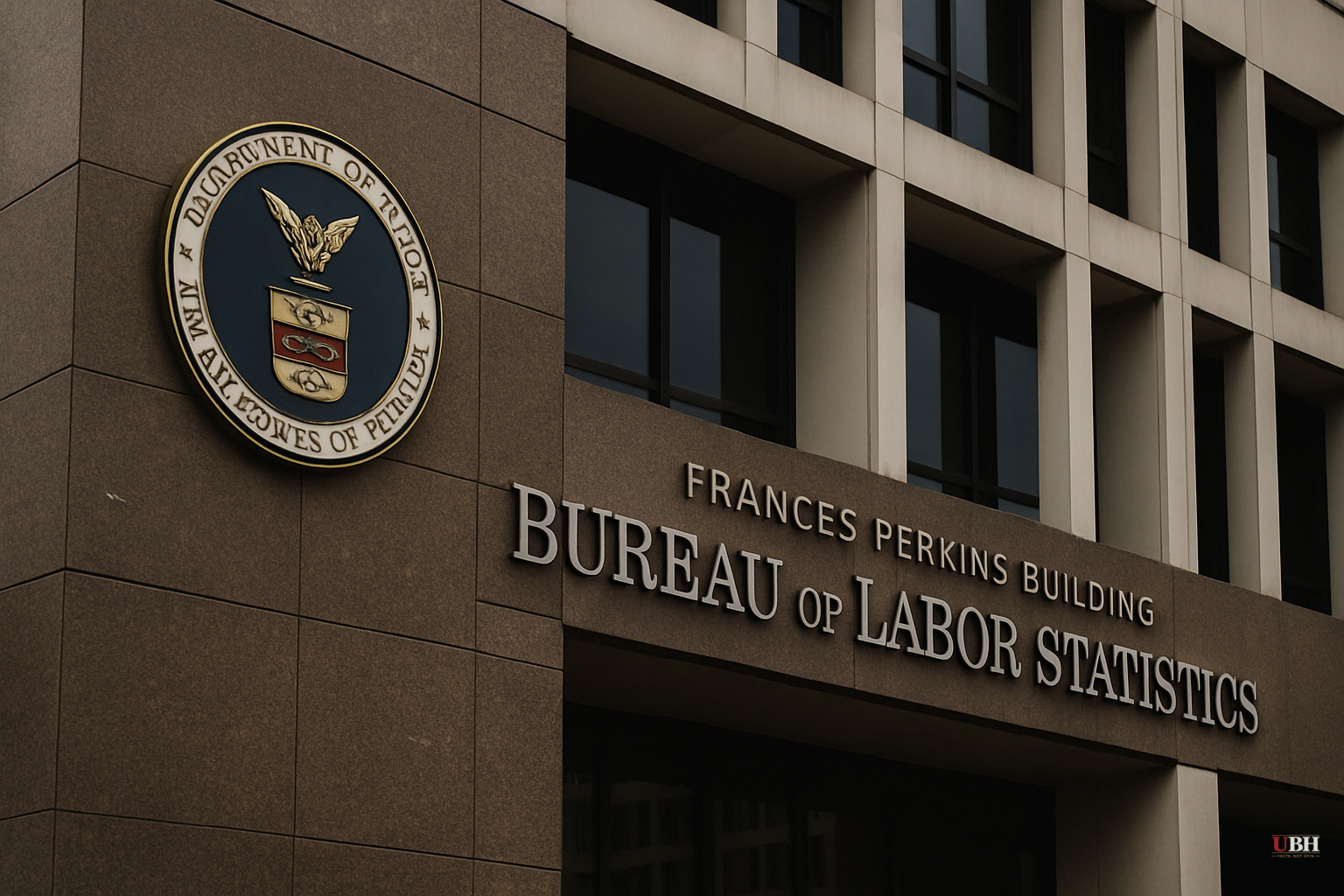
The Bureau of Labor Statistics released its May 2026 Employment Situation Summary on the same day Trump spoke. The Black unemployment rate was 6.6 percent — the highest among all major racial groups tracked.
For comparison: white workers, 3.8 percent. Asian workers, 3.8 percent. Hispanic workers, 5.0 percent. The national rate, 4.3 percent.
The actual record low for Black unemployment, dating to the BLS dataset's origin in the early 1970s, is 4.8 percent, set in April 2023 under President Biden. The previous record before that was 5.3 percent, set during Trump's own first term in August and September 2019.
During Trump's second term, the Black unemployment rate has NOT dropped below 6 percent. It peaked at 8.2 percent in November 2025. It was 6.2 percent when Trump was inaugurated in January 2025. The 6.6 percent May figure is higher than the rate recorded in each of the last 34 consecutive months of the Biden administration, from March 2022 through December 2024, according to CP24's fact-check of the federal data.
The Month-to-Month Drop Was Real. So Is the Context.
There was a genuine decline: Black unemployment fell from 7.3 percent in April 2026 to 6.6 percent in May 2026, a 0.7-percentage-point improvement. Trump had told theGrio the day before the report's release, "We're doing very well with the Black jobs, African-American jobs."
But Gbenga Ajilore, chief economist at the Center on Budget and Policy Priorities, told theGrio that the drop was driven largely by declining labor force participation, not by hiring gains. Fewer Black workers are being counted as unemployed because more have stopped looking for work altogether, not because more found jobs.
Also, a 0.7-point monthly decline is not even a record monthly improvement. CP24 noted a 0.9-point drop from March to April 2024 under Biden, from 6.5 percent to 5.6 percent.
The Federal Workforce Question
"If the President wants to improve the Black jobless rate, he needs to stop firing federal workers," Ajilore told theGrio. "The federal government has been the best place for Black workers for over 80 years."
The Trump administration's federal workforce reductions, pursued in the name of cutting waste and fraud, have hit civil service positions that have historically provided Black Americans a path to the middle class. A recently signed executive order strips civil service protections from roughly 8,000 federal workers, converting them to at-will status.
The Fair Case for Trump's Defense
Critics of this framing argue that the one-month labor market snapshot is too narrow to judge a presidency's economic record, and they have a point. Monthly unemployment figures are statistically volatile. Broader trends in capital investment, manufacturing reshoring, and regulatory relief could, in theory, produce hiring gains in the months ahead, particularly if the coal plant and auto industry investments Trump referenced in his theGrio interview materialize at scale. The president's argument is that the structural benefits of those investments have not fully hit the labor market yet.
This remains a legitimate argument about future trajectory. It does not, however, change what the May 2026 data says. The numbers are what they are.
The Claim Itself
The Chicago Crusader reported that economic analysts from the National Urban League, the Economic Policy Institute, and the Joint Center for Political and Economic Studies each reached the same conclusion in recent weeks: Black America is not experiencing record-low unemployment. The Economic Policy Institute's Valerie Wilson, Director of the Program on Race, Ethnicity, and the Economy, published an analysis on May 4, 2026 examining Current Population Survey data that reached the same conclusion.
Trump's statement was not a spin on real numbers. It was factually wrong by every available federal measure, and he acknowledged in the same breath that he had no sourced basis for making it.
The White House has not yet produced a documented source for the claim and continues to leave CNN's requests unanswered.
Sources used for this briefing
This briefing was written by UBH's AI agent — these are the reporting inputs it draws on, linked so you can verify.


