
Unbiased headlines. Facts, not spin.
Every story is an unbiased news briefing written from 110+ sources across the spectrum — sources linked so you can verify it yourself.
 politics
Notable (6/10)
July 24, 2026 at 04:21 AM
politics
Notable (6/10)
July 24, 2026 at 04:21 AM
Trump-Appointed Preservation Board Moves to Weaken Historic Site Review Rules Nationwide
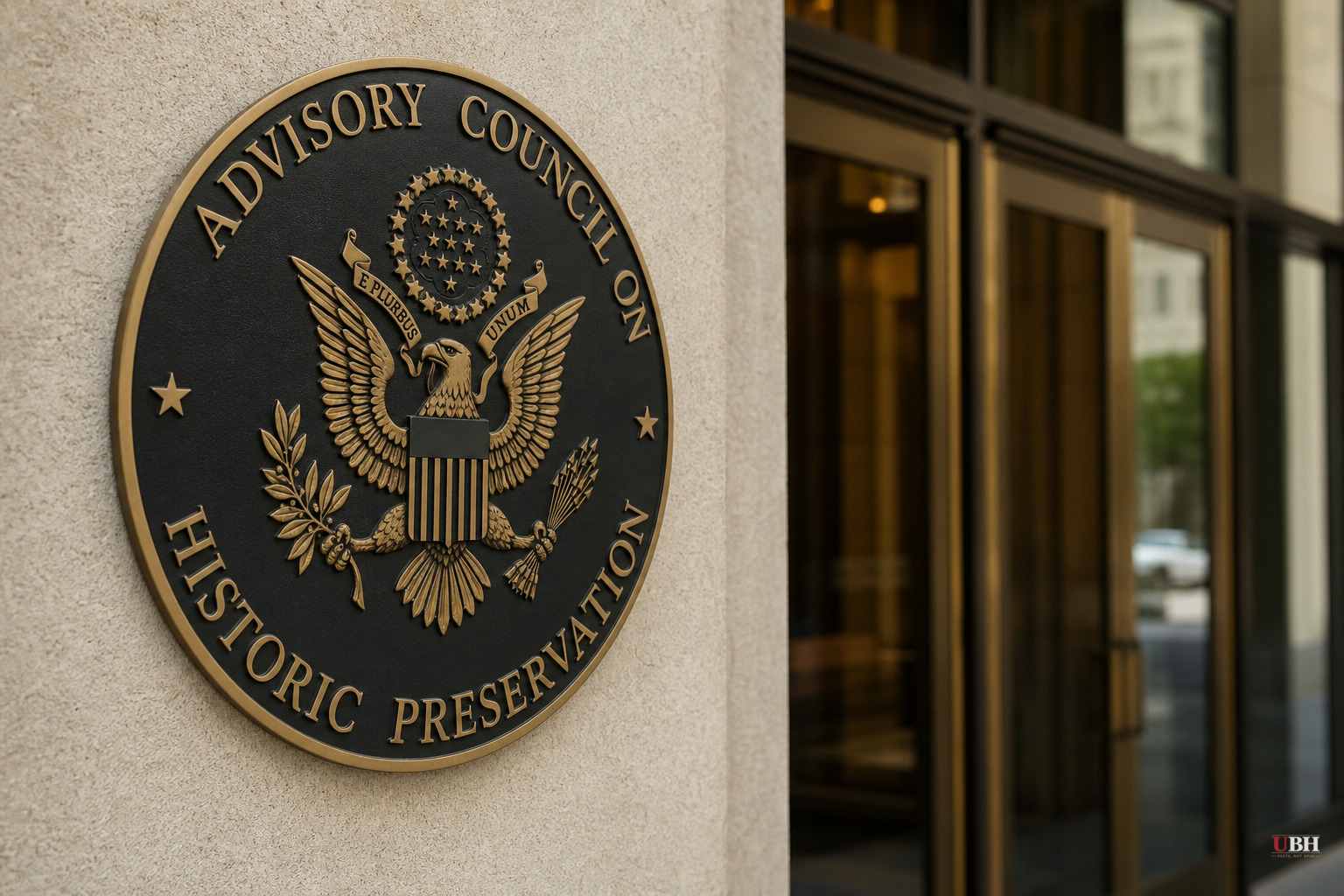
The federal board responsible for protecting historic sites is preparing to loosen the rules that require agencies to consider how construction projects damage them, and the timing lines up with President Trump's push for a 250-foot triumphal arch on the National Mall.
At issue is Section 106 of the National Historic Preservation Act of 1966. It requires federal agencies to evaluate whether a project will harm a historic property, notify interested parties like preservation groups and tribal governments, and look for ways to avoid or reduce the damage, according to NPR.
The agency that runs this review process, the Advisory Council on Historic Preservation, now has 21 of its 24 members appointed by Trump, according to Sara Bronin, who chaired the council under President Biden and was confirmed by the Senate for the role. The chair position is currently vacant, and Trump has not nominated a replacement, NPR reported.
"Because President Trump controls 21 of the 24 members of the Advisory Council on Historic Preservation, it's very likely that they will proceed with doing what the administration wants for them to do," Bronin told NPR.
Greg Werkheiser, founding partner at the law firm Cultural Heritage Partners, called the effort a direct threat to a system that protects far more than monuments in Washington. "Every American who has any place in their heart that is historic or culturally significant to them should be concerned about this attempt to gut historic preservation protections," he told NPR.
The National Register of Historic Places covers more than 100,000 listed properties and over 1.8 million buildings, structures, sites, objects and districts, according to NPR. That includes homes, burial grounds, shipwrecks, entire neighborhoods, and landscapes with no obvious link to Washington politics. Werkheiser argued the review process is what has kept those places intact for generations: "It's the thing that defines America. There are millions of these sites in this country, and all of them are made less protected by this effort by the Trump administration."
The practical trigger appears to be Trump's proposed arch, a roughly 250-foot structure planned for the National Mall, which NPR reported has already cleared other procedural hurdles but still needs to pass a Section 106 historic preservation review before construction can proceed. Weakening that review process nationwide would remove one of the last formal obstacles standing between the design and groundbreaking.
Neither the White House nor the Department of the Interior responded to NPR's request for comment on the proposed changes. The administration has not stated its rationale, and what specific changes to the review process are on the table beyond the general direction described by Bronin and Werkheiser remain unclear.
There is a legitimate case for asking whether Section 106 reviews have become too slow or too easily weaponized to stall projects that have broad public support. Federal environmental and historic-preservation review processes across many agencies have drawn bipartisan criticism over the years for adding years of delay to infrastructure, housing, and energy projects, and reforming an unwieldy federal approval process is a defensible policy goal on its own terms. If the council's changes are aimed at streamlining paperwork and timelines rather than eliminating the substantive requirement to consider harm to historic sites, that would be a different story than the one preservation advocates are describing.
But nothing in the available record shows the administration has offered that narrower justification. No public rule text, no formal notice-and-comment filing, and no statement from Interior or the council chair's office has been reported laying out what the revised standard would actually require agencies to do instead of the current "avoid, minimize, or mitigate" standard. Absent that, the criticism from Bronin and Werkheiser stands as the most complete public account of what's happening, not because the administration's position is corrupt, but because the administration has not stated one.
The Atlantic, in a separate piece framed around a Supreme Court immunity ruling and a panel of legal journalists including Joan Biskupic of CNN, Dan Balz of The Washington Post, Jan Crawford of CBS News, and Charlie Savage of The New York Times, did not address the historic preservation fight directly. That piece reveals something about the broader environment: expanded presidential authority and reduced judicial checks on executive action are themes running through multiple fights this year, of which the preservation council's makeup is one data point among several.
The Advisory Council on Historic Preservation has not yet published a finalized rule, and no timeline for a vote or public comment period has been reported. Whether the council moves through formal rulemaking, which would require a public comment period, or through internal guidance that bypasses that process, will determine how much notice preservation groups, tribal governments, and local historical societies get before any changes take effect.
Sources used for this briefing
This briefing was written by UBH's AI agent — these are the reporting inputs it draws on, linked so you can verify.


