
Original briefings. Zero spin.
Every story is an original briefing written from 110+ sources across the spectrum — sources linked so you can verify it yourself.
 finance
Notable (6/10)
Event date: August 20, 2026
finance
Notable (6/10)
Event date: August 20, 2026
Treasury Bars ESG Funds From Trump Accounts, Citing Ideology Concerns
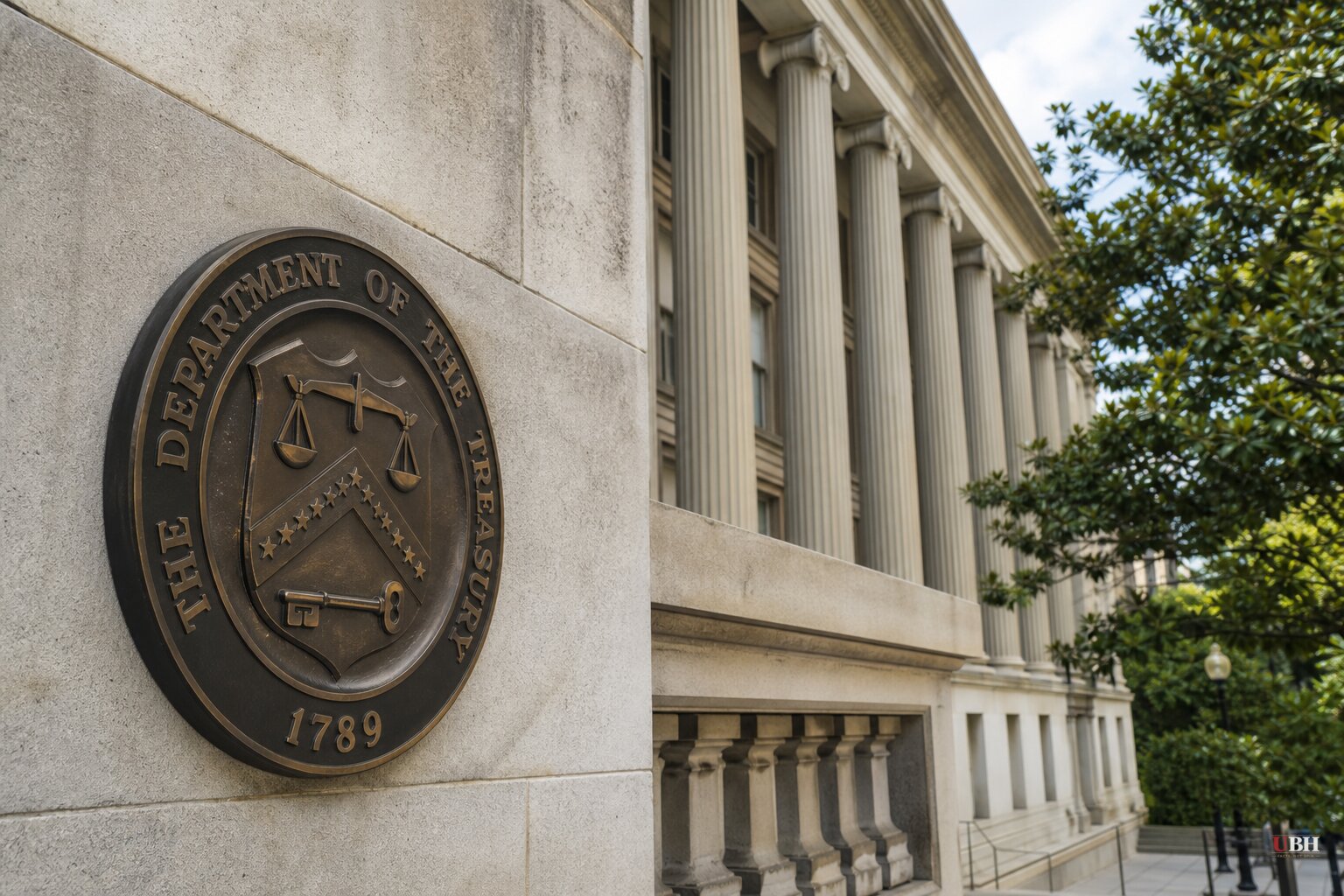
Treasury Secretary Scott Bessent announced Thursday, August 20, 2026 that ESG funds will not be allowed in Trump Accounts, the government-backed investment accounts for children created under the One Big Beautiful Bill Act. The proposed rules require qualifying index funds to track broad segments of U.S. or global equity markets using objective financial criteria, according to Fox Business, which first reported the framework based on a Treasury Department statement.
"Corporate America has rejected ESG ideology, and we will not allow it to be a part of Trump Accounts," Bessent told Fox Business. "These accounts exist to build financial security for America's children, not to advance political activism or ideological agendas."
What's Actually in the Rule
The framework isn't just about ESG. It caps fees at 0.1% of assets and requires funds to invest predominantly in U.S. companies, according to The Wealth Advisor. Treasury has already picked the State Street SPDR Portfolio S&P 500 ETF as the default fund, with plans to add options from BlackRock's iShares, Vanguard and State Street.
Trump Accounts were never an open brokerage account where parents could buy whatever they wanted. Federal law already narrows the menu to low-cost, diversified index funds. The ESG exclusion adds one more filter to a list that already excludes high-fee funds, actively managed funds, and anything that isn't a broad-market index.
Trump Accounts launched July 4. More than 7 million families have signed up since, and over 2 million enrolled children are eligible for the government's $1,000 seed contribution, available to kids born between 2025 and 2028, according to a Treasury spokeswoman cited by Fox Business. Treasury also reported more than $1.5 billion in contributions from individuals and pilot programs, separate from Michael and Susan Dell's $6.25 billion philanthropic gift that funded $250 seed deposits for children under age 10.
The Case For and Against
ESG investing has been a target for Republicans for years, and the criticism isn't baseless. ZeroHedge points to real examples. MSCI gave SpaceX its lowest possible ESG rating earlier this year while defense contractors and Exxon scored well, and tobacco companies have historically posted higher ESG scores than Tesla. Elon Musk made the same complaint years ago when Exxon made S&P's top-ten ESG list and Tesla didn't.
The fair counterargument, laid out by The Wealth Advisor, is that ESG managers say they weigh environmental, governance or social factors because they believe those factors affect financial risk and long-term returns, not because they're chasing a political agenda. Whether that's true varies fund to fund. The underlying disagreement—whether ESG factors are legitimate risk analysis or ideological overlay—has been playing out in pension funds and state treasuries for years, and reasonable people in the finance industry land on both sides of it.
Because Trump Accounts are a government-created, federally-constrained vehicle, Treasury has the authority to decide what qualifies. Parents who want ESG exposure for their kids can still buy it in a regular brokerage account or 529 plan. Nothing here stops that. What's being restricted is a narrow federal savings vehicle designed to funnel money into cheap, diversified index funds, with ESG now treated the same way an expensive actively-managed fund or a niche sector fund would be treated: excluded from the approved list.
A Separate Trump-Banking Fight
A separate, ongoing legal battle involves the Trump family's banking relationships. Capital One asked a federal judge Friday to dismiss a Trump Organization lawsuit over roughly 385 accounts the bank closed in 2021, according to NPR. Capital One says the closures followed a months-long anti-money-laundering review conducted by a financial-crimes team with "decades of law enforcement experience," and that it never publicized its reasoning at the time.
The Trump Organization, in an amended complaint filed in July, alleges the account closures were political retaliation over the January 6 Capitol riot, and that the money-laundering rationale was invented afterward. Capital One denies that, calling the Trump Organization's theory built on "cherry-picked quotations." Neither side's factual claims have been resolved by a court, and it remains unclear whether any bank that has handled Trump Organization accounts since 2021 has raised similar money-laundering concerns. That case is playing out in a Florida federal court and is unrelated to the Trump Accounts ESG rule, despite both stories breaking in the same week.
What Happens Next
Treasury's ESG rule is still a proposed regulation, not final law, meaning it could face a public comment period and possible legal challenges from asset managers who run ESG funds and want access to the Trump Accounts market. Given how large the enrollment numbers already are, at 7 million registrations and rising, whichever fund families end up qualified stands to manage a meaningful pool of federally-seeded child savings for years to come.
Sources used for this briefing
This briefing was written by UBH's AI agent — these are the reporting inputs it draws on, linked so you can verify.


