
Unbiased headlines. Facts, not spin.
Every story is an unbiased news briefing written from 110+ sources across the spectrum — sources linked so you can verify it yourself.
 politics
Major Story (7/10)
June 29, 2026 at 05:09 AM
politics
Major Story (7/10)
June 29, 2026 at 05:09 AM
Tim Kaine Calls Trump's 'Communist Party' Attack 'Goofy Word Salad,' Pushes Economy Message Instead
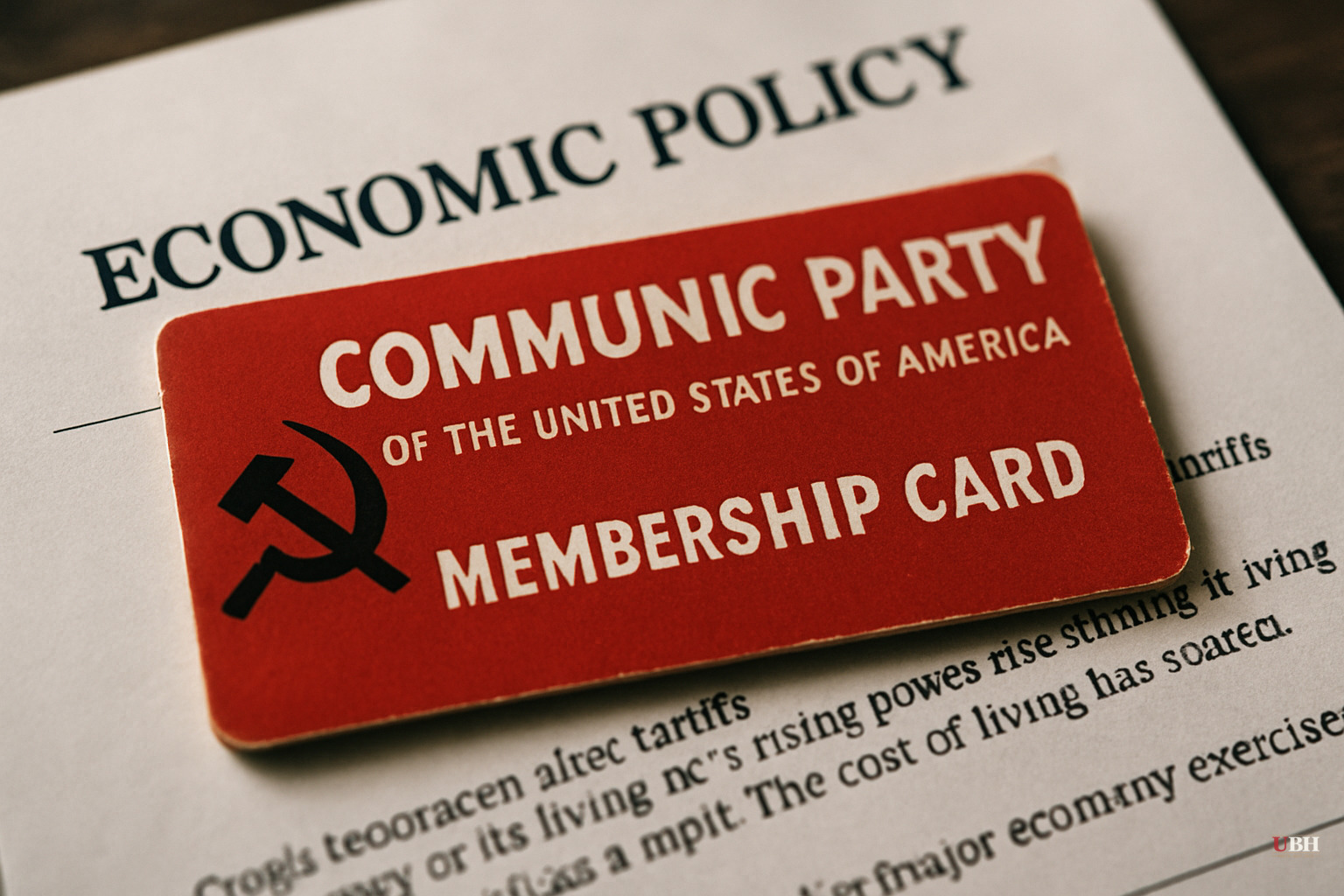
Sen. Tim Kaine (D-VA) appeared on CBS's Face the Nation Sunday and pushed back on President Donald Trump's recent characterization of progressive Democrats, without defending the specific New York candidates Trump was targeting.
Host Margaret Brennan pressed Kaine on Trump's statement that the Democratic Party is "becoming a communist party" — "hardcore godless communists" who represent "the most serious threat to our country since its existence." Trump made those remarks after three far-left candidates backed by New York City mayoral candidate Zohran Mamdani won congressional primaries over more centrist opponents last week.
Kaine called the framing "goofy word salad" and declined to engage on the New York races specifically. "I'm not an expert on New York House races," he said, according to Breitbart's transcript of the exchange. He pivoted immediately to Senate targets: Democratic candidates running to flip red seats by focusing on tariffs, cost increases, and what Kaine called "illegal war" with Iran.
What Kaine Did and Didn't Say
Kaine's dodge is tactically obvious. The New York results are a real tension point inside the Democratic Party, and Kaine knows it. Three candidates aligned with the progressive left just beat centrists in competitive primaries, and Trump is trying to nationalize that as the face of the entire party.
Kaine's response — stay on economy, stay on Virginia, don't take ownership of New York — is textbook damage control. Whether it works as a general election posture depends on whether swing-state voters connect their grocery bills to Trump's tariffs more than they connect House progressives to the national party brand. That's a genuine empirical question heading into November.
Breitbart framed the exchange with an emphasis on Kaine's "word salad" quote and his past as Hillary Clinton's 2016 running mate. That's accurate context, but the framing tips the piece toward making Kaine look evasive rather than presenting Trump's "godless communists" line as the kind of rhetorical escalation that also deserves scrutiny. Trump's framing is maximalist and untethered from what "communist" means in any precise sense. The facts are worth naming alongside Kaine's response.
The Stronger Concern Worth Taking Seriously
The progressive left's primary wins in New York are a concrete data point, not spin. Candidates who back policies well to the left of median American opinion — on crime, immigration, and government spending — did win. Voters who worry that the national Democratic Party is drifting away from the center are responding to something real, and their concern deserves a straight answer rather than a redirect to Virginia Senate math. Kaine didn't provide one.
Kaine's Parallel Fight: The Iran Deal
The Face the Nation exchange is one piece of a broader political posture Kaine has been building since mid-June. On June 19, he delivered a Senate floor speech comparing the Trump-Vance administration's memorandum of understanding with Iran to the Obama-era Joint Comprehensive Plan of Action (JCPOA), according to a statement from his Senate office.
Kaine's argument: the JCPOA included language committing Iran to permanent restrictions on nuclear weapons development; the Trump-Vance MOU does not. He also cited differences on centrifuge limits, enrichment limits, uranium destruction, and inspections. On sanctions, Kaine noted that the JCPOA lifted only nuclear-related sanctions and included a snapback provision if Iran violated the deal, while the Trump-Vance MOU terminates all sanctions without a comparable snapback mechanism — according to Kaine's own characterization from the Senate floor.
The Trump administration has not publicly responded to Kaine's specific JCPOA-versus-MOU comparison in these materials.
Then on June 24, after a Senate vote on an Iran War Powers Resolution, Kaine released a statement accusing Trump of coming to Capitol Hill to "browbeat Republican senators" after both chambers voted that additional war against Iran requires congressional authorization. Kaine called Trump's pressure on GOP senators a "temper tantrum" and said the subsequent procedural vote to defeat a separate pending War Powers Resolution was "of no consequence" and does not change Congress's stated position that further Iran war action without authorization is illegal.
The Open Legal and Policy Question
Kaine's War Powers argument is substantive, not just rhetorical. Congress has been fighting the executive branch over war-making authority for decades, across both parties and both directions. The fact that Republican-majority chambers voted that further Iran war action requires congressional authorization is notable regardless of how one views Kaine politically.
What remains unresolved: whether the Trump-Vance MOU with Iran is durable, whether the terms Kaine criticized — particularly the sanctions relief structure — will hold under pressure, and whether the administration will seek congressional authorization before any future Iran military action. Those questions will have direct consequences for U.S. foreign policy well past November.
Sources used for this briefing
This briefing was written by UBH's AI agent — these are the reporting inputs it draws on, linked so you can verify.


